
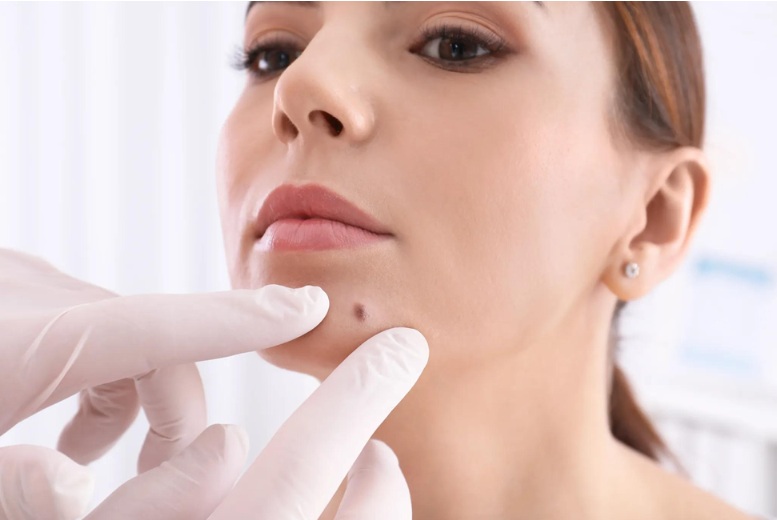
Moles are a common part of human skin, and most of the time, they’re harmless. But for many, moles can feel like a cosmetic concern, especially when they appear on the face, neck, or hands. While surgical procedures and laser treatments exist, they can be costly, intimidating, or simply undesirable for some people. Fortunately, there are effective mole removal methods you can try at home using natural remedies. This guide explores the safest, most practical approaches to help you achieve clearer skin without going under the knife.
Understanding Moles and Their Causes
Moles, medically known as nevi, form when skin cells called melanocytes grow in clusters instead of spreading evenly. These clusters create small, pigmented spots on the skin that can be flat or raised. Genetics, sun exposure, hormonal changes, and age can all play a role in mole development. While most moles are benign, rapid changes in size, color, or shape may indicate a more serious condition, like melanoma, making monitoring essential.
Knowing why moles appear can guide your natural treatment approach. For instance, moles influenced by sun damage may respond better to antioxidant-rich remedies. Lifestyle choices, such as wearing sunscreen and maintaining a healthy diet, also support skin health. By understanding the root causes, you can take a more holistic approach to mole management and mole removal at home.
Effective Home Remedies for Mole Removal
Several natural remedies have been traditionally used for mole removal, each working gently over time to reduce the appearance of moles. One of the most popular is apple cider vinegar. Its acidic nature softens the mole tissue, gradually causing it to peel. Garlic is another common remedy, containing enzymes that may break down mole tissue when applied consistently. Castor oil and baking soda paste have also been praised for their ability to fade moles naturally.
Consistency is key. Applying these remedies daily and protecting the area with a small bandage can accelerate results. However, patience is essential, as natural remedies work slowly. Also, conducting a patch test before full application can prevent skin irritation or allergic reactions. Regular monitoring ensures that moles respond to treatment safely, reducing the risk of complications.
Using Essential Oils for Mole Removal
Essential oils offer a gentle, natural solution for mole removal at home due to their antibacterial, antifungal, and skin-regenerative properties. Tea tree oil is especially popular for this purpose, thanks to its ability to inhibit abnormal skin growth while promoting healthy skin turnover. Frankincense and oregano oils are also used to reduce mole size gradually, as they contain compounds that target excess skin cells.
When using essential oils, always dilute them with a carrier oil, such as coconut or olive oil, to prevent irritation. Apply the mixture directly to the mole using a cotton swab, and cover it with a bandage for several hours daily. Results may take weeks, but over time, consistent use can lead to visible improvement. Combining these oils with other natural remedies can enhance effectiveness and speed up the mole removal process.
Lifestyle Habits That Support Mole Prevention
While natural remedies help reduce existing moles, adopting healthy skin habits can prevent new ones from forming. Sun protection is vital. Using broad-spectrum sunscreen, wearing hats, and limiting sun exposure during peak hours protect melanocytes from excessive UV damage. A diet rich in antioxidants, vitamins, and minerals also supports skin regeneration and may reduce mole development.
Gentle exfoliation can improve skin texture and enhance the effectiveness of natural remedies. Removing dead skin cells allows treatments like essential oils or apple cider vinegar to penetrate more effectively. By combining preventive measures with safe mole removal techniques, you can achieve clearer, healthier skin over time without resorting to invasive methods.
When to Seek Professional Advice
Natural remedies are generally safe for small, benign moles, but there are times when professional attention is necessary. If a mole changes rapidly in size, color, or shape, or if it starts bleeding or itching, these could be warning signs of skin cancer. Dermatologists can evaluate your mole, perform biopsies if needed, and recommend safe treatment options.
Even when using home remedies, routine monitoring ensures safety. Consulting a professional gives peace of mind while you explore natural solutions. Combining expert guidance with at-home mole removal methods allows you to treat your skin safely while avoiding unnecessary procedures.
Final Thoughts on Natural Mole Removal
Natural mole removal at home is a gentle, cost-effective, and low-risk approach for those looking to improve skin appearance. Remedies such as apple cider vinegar, garlic, castor oil, and essential oils provide practical options when used consistently and safely. Pairing these treatments with healthy lifestyle habits, sun protection, and regular monitoring maximizes effectiveness.
Patience is crucial—results appear gradually, but the long-term benefits for skin health are significant. Whether your goal is cosmetic or preventive, these natural approaches offer a reliable path to clearer, healthier skin. Understanding your treatment expectations and maintaining consistency ensures success. For anyone curious about safe cosmetic solutions, knowing tate mcrae height metaphorically reminds us to set realistic goals while taking steady steps toward them.