
When people think about childhood trauma, they might have these dramatic pictures in their heads. However, a child can be traumatized or affected by every situation in which they weren’t supported.
Because of the stereotypes around childhood trauma, adults might carry wounds from experiences that felt “normal” in their families. These early patterns shape many important skills people need to operate in adult life.
With these childhood trauma examples, it’s easier to recognize what actually happened to you, not what you were told to believe.
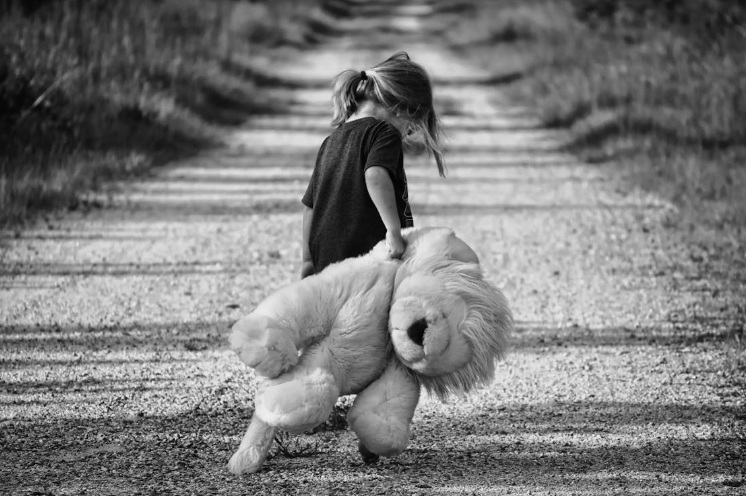
Childhood Trauma Examples and Their Impact on Adulthood
The most widely accepted classification of childhood trauma divides these negative experiences into four types:
- Emotional Abuse
- Physical Abuse
- Sexual Abuse
- Neglect
What makes an experience “traumatic” is not how dramatic it looked from the outside, but how unsupported a child felt on the inside. Many figured out what they experienced was not normal only when they completed an inner trauma test that also explained how these events still impact them in childhood.
Important note: if you found yourself in the examples of childhood trauma below, but don’t feel it had a negative toll on you, it’s okay. Don’t let lists force trauma on you. The human psyche is incredibly flexible, and what’s traumatic for some people may not have the same impact on others.
How Can Emotional Abuse Look Like
Emotional abuse is an example of childhood trauma that becomes normalized in many families, making it harder to recognize later in life. Examples of emotional trauma may look like:
- Being told to “stop crying,” “toughen up,” or hide emotions.
When saying so, parents hope that children will regulate themselves. In reality, kids may not have enough knowledge or skills to cope with their own emotions. Instead, they grow up to learn that their feelings are inconvenient or wrong.
- Constant criticism or comparison.
Being measured against siblings or peers creates a deep sense of inadequacy, as if you’re not enough when you’re not as smart, successful, or athletic as other kids. This internalizes the belief that love must be earned through achievement.
- Silent treatment from caregivers.
When a parent goes silent to “teach a child a lesson,” this backfires. Withdrawal of connection teaches a child that affection is conditional and that conflict is dangerous.
- Managing the emotions of adults.
Taking care of the emotions of adults when you don’t know how to regulate yourself yet is not a responsibility of a child.
- Waiting for an adult to be in a good mood before asking for basic needs.
Children learn to scan for emotional danger, especially if they had a negative experience with a caregiver earlier. This “survival” skill can turn into anxiety or hypervigilance in adulthood.
Long-Term Impact of Emotional Trauma
These examples of emotional trauma in childhood can later turn into:
- Low self-esteem
- Perfectionism
- People-pleasing
- Emotional dysregulation
- Deep self-doubt
- Impostor syndrome
Examples of Physical Abuse in Childhood
Physical abuse isn’t limited to visible harm. It also includes any form of physical control, threat, or force that scares a child, violates their bodily autonomy, or makes them feel unsafe.
Some adults can minimize these experiences because they “weren’t as bad as what others went through,” but our bodies don’t measure trauma by comparison. Physical abuse may look like:
- Threats of physical harm.
Phrases like “Don’t cry or I’ll give you something to cry about,” “You’ll get it later,” or “Do it or else…” teach a child that they are under a threat any time.
- Involuntary isolation as punishment.
Being locked in rooms, sent outside alone, or banished from family spaces isn’t “discipline” as parents wanted it to be. When a child is left alone and restricted from communication, they can internalize the feeling that they are a bad person, and this self-blame can carry into adulthood.
- Food-related punishment.
Being forced to eat until discomfort, having food withheld, or using meals as reward/punishment creates long-term confusion around hunger, shame about eating, or struggles with control.
- Rough handling.
Being dragged by the arm, grabbed, shoved, or physically restrained isn’t “fully” hitting. But it’s still physical abuse that teaches a child that their body is not their own.
- Forceful commanding and intimidation.
Being yelled at face-to-face or cornered doesn’t develop resilience. Vice versa, children who were commanded grow up to be afraid of confrontation, hence, they rarely prioritize their own needs.
- Bullying.
How Physical Abuse in Childhood Shows Up in Adulthood
- Feeling on edge when someone raises their voice.
- Problems with regulating anger.
- Avoiding confrontation at all costs.
- Not trusting others with their bodies.
- Feeling responsible for the feelings of others.
- Confusion between love and fear, especially in relationships.

Unobvious Examples of Sexual Abuse
Sexual abuse in childhood is not limited to forced sexual acts. These experiences are often dismissed or minimized because “nothing physical happened,” yet they profoundly affect trust, safety, and self-worth in adulthood. Unobvious examples of sexual trauma may look like:
- Being shown explicit content.
This includes pornography, sexualized videos, or sexual images, even “by accident.” A child’s brain is not developmentally prepared to process this.
- Being sexualized through comments about the body or clothing.
Adults who commented on your body, appearance, or “attractiveness” created inappropriate attention. Even something like “If only you were a few years older” or “Give me your phone number in 5 years” is already a line crossed.
- Being forced to “keep secrets.”
- Hearing about adults’ sexual lives. Adults discussing their sexual experiences, fantasies, or desires in front of a child places the child in an emotionally unsafe role.
Long-Term Impact of Sexual Abuse
Adults who experienced these forms of abuse report problems with:
- Confusion around boundaries.
- Inability to say no when things come to intimacy.
- Discomfort during intimacy.
- Intentional detachment during intimacy.
- Hypersexuality.
- Overall avoidance of sexual connection.
- Body shame and not liking how you look.
- Difficulty trusting partners.
- Guilt or self-blame for things they couldn’t control.
Examples of Neglectful Childhood Traumas
Neglect shows up as absence: absence of care, presence, guidance, safety, and other things you may not have even realized you needed. For example:
- Going without food, safe shelter, or clean clothes.
Parents not meeting a child’s basic needs is the most obvious example of neglect. But when a child sees other kids’ lunchboxes, tidy clothes, and cool stuff their parents get them, they may be ashamed of things they don’t control.
- Being responsible for household chores meant for adults.
Cooking, cleaning, caring for siblings, or doing all the domestic work is a form of parentification, a negative experience from childhood when a child is forced into parental roles.
- Receiving no support with homework or education.
- Not being taught basic hygiene or self-care.
Children who weren’t shown how to bathe, brush teeth, or deal with menstruation grow up feeling ashamed or confused about routines that seem normal to others.
- Having your hair shaved or cut to avoid dealing with it.
Especially if you, as a child, never wanted short hair. Not only was your comfort neglected, but you could also feel like you didn’t have autonomy over your body.
- Never hearing encouragement or comfort.
Without positive reinforcement, a child may believe their achievements, pain, or needs are invisible.
- Being told you’re “mature for your age.”
This phrase is often used to justify emotional abandonment of a child. This example of childhood trauma means that the child behaves like an adult, not because they want to, but because they had to.
- Facing loss, parental divorce, or other major stress without adult support.
Consequences of Neglect in Childhood
- Hyper-independence (“I don’t need anyone”).
- Difficulty asking for or accepting help.
- Chronic self-neglect (ignoring hunger, exhaustion, health needs).
- Feeling undeserving of care or attention.
- Anxiety around stability, money, or basic safety.
- Difficulty trusting people enough to depend on them.
- Shame for needing an emotional connection.

How to Deal With Childhood Trauma in Adulthood
Trauma healing is not linear, but it is absolutely possible with the right tools and support. Try starting with one of these tips:
- Practice daily self-regulation. Self-regulation for different people is different. From grounding exercises to simply leaving the house and walking your frustrations off. Choose whatever feels nicest, but stick to healthy options.
- Relearn emotional expression. Learning to stop blocking “negative” emotions, such as sadness, anger, or disappointment, is a long process, but possible. Start by noticing how you block these emotions first and let them go without harming others.
- Rebuild self-worth intentionally. Challenging perfectionism and doing stuff in spite of embarrassment. The best things in life happen through cringe because they are new and exciting.
- Seek supportive relationships. There were enough toxic people in your past. Consistent, safe people show you that you can actually rely on others.
- Begin trauma-informed therapy. Healing with therapy is usually less painful, softer, and quicker. Modalities like EMDR, Somatic Therapy, and Schema Therapy help process early wounds, even if it seems that certain responses and habits are with you forever.