
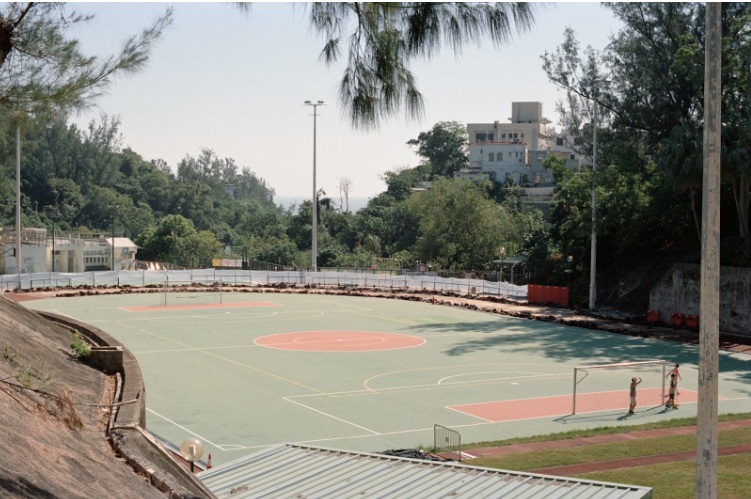
Local sport is a community mirror: it shows who turns up, who volunteers, who sponsors jerseys, who brings water, who argues with the referee as if VAR is hiding behind the mango tree, and who stays after the final whistle to help pack up cones. Across towns and neighborhoods, community competitions are not just entertainment, they are social glue, because they give people shared stories and shared tension, and tension is what makes a story stick.
Even when the match is “small,” the emotions are not, and the uncertainty is real, which is why many fans look for different ways to extend the experience beyond the sideline; for those who mix match-day excitement with online entertainment, casino games can be one optional lane that taps into the same anticipation, provided the approach stays measured and budgeted, because the quickest way to turn community joy into private regret is to confuse excitement with a spending plan.
Community Competitions: The Big Meaning of Small Tournaments
A school tournament, a district athletics meet, a local boxing night, or a weekend league match can carry a weight that surprises outsiders, because it isn’t only about winning, it’s about being seen. Local events create legitimate pride: a team represents a neighborhood, a school represents a history, and an athlete represents effort that people watched grow in real time. That’s why these events pull crowds, even when the venue is modest, because people aren’t paying for luxury, they’re showing up for belonging.
Local Initiatives: The Quiet Work Behind the Cheers
The best community sports moments usually sit on top of invisible work: coaches who volunteer, organizers who negotiate permits, small businesses that donate kits, and local leaders who understand that structured sport reduces idle trouble and increases shared confidence. You can often tell when an initiative is healthy by the details: clean scheduling, safe spaces, youth involvement, and a culture that celebrates skill without turning rivalry into disrespect. Good local sport doesn’t eliminate conflict – it channels it into rules, and rules are how communities practice fairness without having to give speeches.
The Emotional Uncertainty of Support
Supporting a local team is emotional because it comes with genuine uncertainty: you know the players, you know the coach, you might know the family of the goalkeeper, so every mistake feels closer. The highs are higher because they are shared, and the lows are lower because they feel personal, and this is where sport becomes more than pastime – it becomes identity. That identity can be uplifting, yet it can also make people irrational, which is why the best communities balance passion with perspective, because the goal is to build pride, not pressure.
Where Betting Culture Sometimes Meets Community Sport
The link between community sport and betting is not only financial – it’s psychological. People already live inside uncertainty when they support a team, and betting simply formalizes that uncertainty into a wager, which can be entertaining if it remains controlled and transparent. If someone prefers a separate platform for sports engagement, betpawa ghana can sit as an additional option in a wider match-day routine, but the same rule applies: set limits first, refuse chasing, and keep betting as a side activity rather than a rescue mission for emotions, because a lost match plus a chased loss is a double defeat nobody needs.
Building Stronger Communities With Sport
Local sport works best when it is designed for participation, not only for spectatorship: youth clinics, safe training spaces, women’s leagues, disability-inclusive events, and partnerships that keep costs realistic. Communities don’t need perfect facilities to build strong sporting culture; they need consistency, safety, and respect, and they need leaders who understand that sport is one of the cheapest ways to build social trust.
A Simple Truth That Holds Up
Local events matter because they give people a reason to gather without pretending life is easy. The uncertainty is part of the appeal, because if outcomes were guaranteed, nobody would care, and when a community learns to celebrate effort, accept disappointment, and return next week anyway, it’s practicing resilience in public – one match at a time.