
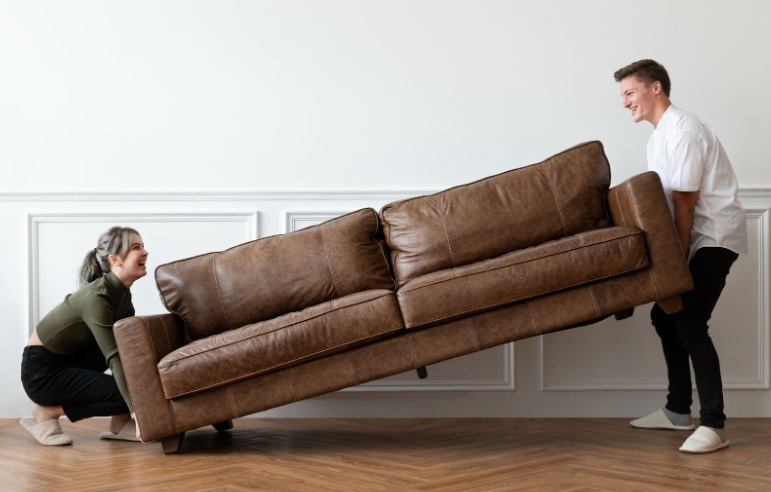
When you decide it’s time to part with that worn-out sofa, cracked cabinet or old mattress, you might wonder: where does it all go? Tossing bulky furniture in the trash seems like the easiest route — but there are better alternatives. In this post, I’ll walk you through what really happens to old furniture, why recycling or reuse matters, and what you should expect if you choose to recycle responsibly.
Why Furniture Disposal Is a Big Deal
Furniture seems harmless — a couch here, a mattress there. But when millions of pieces reach end-of-life, the impact adds up fast. According to the United States Environmental Protection Agency (EPA), Americans generated about 12.1 million tons of “furniture and furnishings” in 2018 alone. That includes sofas, chairs, mattresses, cabinets, tables — basically, much of what sits in our living rooms.
Shockingly, most of that furniture ends up in landfills. The EPA estimates that a large majority — often over 80% — of discarded furniture is landfilled each year. Why is this a problem? For one, furniture is bulky. It takes a lot of space sitting in landfill. Much of it is also composed of mixed materials: wood, metal, foam, fabric, etc. Those materials break down slowly, especially under landfill conditions, or sometimes not at all. When you think about a mattress or a couch piling up by the thousands — the environmental cost is big.
What Can Happen to Your Old Furniture — The Typical Paths
When you give up on a sofa, mattress, cabinet, or other large furniture, there are usually three possible paths, depending on its condition and how it’s handled:
- Reuse / Resale / Donation
- If the furniture is still in decent shape — maybe just worn, but functional — it may get donated, sold secondhand, or passed on to someone else. This is the simplest and often the most sustainable outcome.
- Many thrift stores or second-hand shops accept furniture.
- Sometimes it gets refurbished or repaired and then reused in a new home.
- If the furniture is still in decent shape — maybe just worn, but functional — it may get donated, sold secondhand, or passed on to someone else. This is the simplest and often the most sustainable outcome.
- Recycling / Material Recovery
- If the furniture is beyond useful life, or partially broken, some parts may still be salvaged. For example: wood, metal, textiles or foam might be separated and reprocessed, depending on local recycling infrastructures.
- Recycling reduces demand for new raw materials and keeps valuable resources out of landfills.
- If the furniture is beyond useful life, or partially broken, some parts may still be salvaged. For example: wood, metal, textiles or foam might be separated and reprocessed, depending on local recycling infrastructures.
- Landfill or Energy Recovery / Incineration
- Unfortunately, because furniture is often bulky and made of mixed materials, a large chunk ends up in landfill. According to EPA data, that remains the dominant fate for most used furniture.
- In some cases, if allowed, older furniture may be burned for energy or simply compacted — but many furniture pieces don’t burn cleanly, and certain materials (foam, chemical-treated fabrics) may release harmful substances when incinerated or left rotting.
- Unfortunately, because furniture is often bulky and made of mixed materials, a large chunk ends up in landfill. According to EPA data, that remains the dominant fate for most used furniture.
Why Recycling or Reuse Matters — What You (and the Planet) Gain
Choosing to recycle or reuse furniture — instead of dumping it — brings real benefits.
- Less waste in landfills & less environmental harm. Every sofa or mattress diverted from a landfill saves landfill space and reduces the pollution associated with decomposition or burning. According to one furniture-reuse organization, diverting furniture from waste streams helps cut down on greenhouse-gas emissions and reduces demand for new manufacturing.
- Conserving resources and reducing demand for new wood, metal, fabric. Manufacturing new furniture often requires fresh lumber, metals, plastics or textiles. Recycling old furniture helps reuse these materials instead of extracting new ones.
- Cost and affordability — for you or someone else. If your furniture is still usable, someone else might get a perfectly fine sofa or desk at a much lower cost. That helps people, and reduces waste.
- Support for a circular approach — reuse, recycling, rethink consumption. When furniture gets reused or recycled, you contribute — even slightly — to a more sustainable lifecycle for home goods.
Challenges & Trade-offs
It’s not always straightforward. There are a few common issues to keep in mind:
- Mixed materials make recycling hard. Many furniture items combine wood, foam, metal, fabric — separating all parts for recycling or reuse can be labor-intensive and expensive. That’s often why many pieces get landfilled instead.
- Not everything gets reused or donated. If a piece is damaged beyond practical repair or overly worn, few thrift stores or buyers will accept it. That leaves recycling or disposal as the only realistic option.
- Transport and logistics. Big items like couches or mattresses need trucks and manpower to move. If you don’t have a truck, or the right disposal services nearby, it can be cumbersome (or expensive) to recycle.
- Local recycling infrastructure varies a lot. Some regions have good programs for mattress or furniture recycling. Others don’t — which means you may end up with landfill disposal by default.
Because of these challenges, it pays to plan ahead. If you know you’re about to get rid of furniture: check local thrift stores, donation centers, or eco-friendly pick-up services.
How Responsible Furniture Recycling Services Work (What to Expect)
If you decide to use a professional furniture pickup or recycling service instead of simply trashing the item, here’s generally what happens:
- The crew comes to your home, picks up the bulky item(s).
- They evaluate what can be reused or resold — e.g. a still-functional sofa might go to a thrift store; a working cabinet may be cleaned/refinished.
- For items that are damaged or unsellable (broken frames, worn foam, ripped fabric), the service may separate materials — salvage the wood or metal, recycle what’s recyclable, and dispose of the rest properly.
- If there is a resale or thrift storefront component, usable items go on sale, so someone else can buy and reuse them.
If you want a starting point for this kind of service, you could consider something like the services listed on this page: furniture recycling and removal services, which help with responsible pick-up and reuse of unwanted household items.
What You Can Do Right Now — Your Action Plan
If you have old furniture to get rid of, and want to do it responsibly:
- Check the condition. If your furniture is still structurally sound or repairable, consider donating or reselling.
- Look for local thrift stores, donation centers, or recycling services. Many accept bulky items — just check size/condition requirements before contacting them.
- Hire a junk-removal / furniture-recycling service if you have several or large items. They handle pickup, transport, and sorting.
- Be ready for limitations. Not all items are recyclable or resellable. If heavily damaged or made of mixed materials that are hard to separate, expect recycling or disposal demands.
- Try to buy furniture built for longevity next time. Solid wood, simple construction — furniture made to last tends to recycle better, and often keeps value longer if you want to resell.
Conclusion
Old sofas, mattresses, cabinets — they don’t have to be destined for the landfill. If you take a little time to check the condition, and choose reuse or responsible recycling, you give your furniture a second life. That helps you, helps someone else, and helps the planet.
It’s not always easy. Mixed materials and logistics pose real challenges. But recycling furniture remains one of the best things you can do to reduce waste, conserve resources, and avoid dumping bulky items in landfills.
Next time you decide to clear out the living room or swap out a mattress, consider giving the furniture a second chance. It really can go somewhere useful rather than just taking up space — and that’s effort well worth making.