
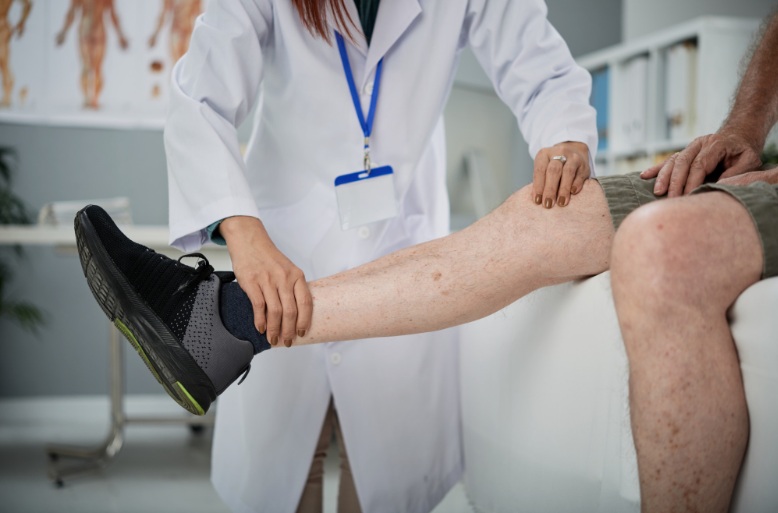
Several individuals suffer from discomfort or an aesthetic problem related to that vein. Although some symptoms may appear mild, others indicate significant issues with blood flow that can signal more serious underlying problems. These symptoms can only be assessed properly by a vein specialist who is trained to look for hidden issues. They use patient history, physical exams, and diagnostic tools to identify problems quickly and suggest treatment methods.
Initial Consultation and Patient History
An El Paso vein specialist, or one in any other city, will inquire about symptoms like swelling, heaviness, or aching in the legs. Additionally, they will inquire about any previous health concerns, family history, and lifestyle factors such as exercise and work habits. These conversations help inform risk factors for blood flow issues and dictate what happens next in terms of evaluation.
Visual Inspection and Physical Assessment
But seeing evidence has still been central to diagnosis. Experts examine for color changes, upper ulcers, or bulging vessels. Furthermore, each type of dermatitis is more closely linked to the disease process itself. They then palpate the area for tenderness, warmth, or texture changes. These checks tell us how serious the issue is and if we need to take immediate action.
Use of Non-Invasive Diagnostic Tools
The noninvasive method is a central component of diagnosing blood flow issues. The most prominent tool is duplex ultrasound, which provides real-time images of blood flow. With this test, the doctor can discover where blood is stopped, what valves don’t work in which area, or whether blood is pooled, and determine if these indicate some form of venous insufficiency. To complement ultrasound findings, other tests, including photoplethysmography, assess venous return to the heart.
Judging the Blood Flow and Valve Function
Blood flow through the veins is a vital aspect of an overall evaluation. Scientists investigate the function of the venous valves that act as barriers to prevent blood from going the wrong way. Blood can pool in the veins, leading to swelling or pain due to broken valves. They collect accurate information about valve function and flow direction using ultrasound and other devices so that clinicians can accurately locate the source of symptoms.
Screening for Risk Factors and Other Conditions
My circulation issues can stem from some causes, such as genetics, being overweight, leading an inactive lifestyle, or other medical conditions like diabetes. A specialist will ask about your health, medications, and other risk factors during an assessment. To complete the examination, the specialist may order lab tests for blood clotting disorders or metabolic disorders.
Evaluating Signs of Complications
Certain signs suggest complications are of sufficient severity to merit immediate medical care. They watch for things like open sores, sudden swelling, or changes in skin color, which might indicate blood clots or end-stage disease. When these signs are present, immediate steps are taken to prevent more damage. It ensures immediate medical attention for patients and minimizes the likelihood of chronic injury in the future, among other benefits.
Personalized Care Recommendations
After a diagnosis is made, the vein specialist reviews treatment options. Suggestions may be lifestyle changes, compression therapy, or a simple procedure to get you back to healthy circulation. Every care plan corresponds to the unique condition of the patient to offer the highest possibility of symptom relief and enhanced quality of life.
Monitoring Progress and Preventing Recurrence
Active surveillance is a crucial component of care. Follow-up visits with the specialists are scheduled to monitor the response to treatment and modify plans as needed. They also provide guidance on keeping it from coming back—encouraging more regular movement, keeping weight down, and avoiding long periods of standing or sitting. This type of preventative care will keep your blood vessels healthy and help alleviate issues that are likely to arise in the future.
Conclusion
Finding those problems with circulation underneath takes careful, stepwise examination. A vein doctor utilizes a detailed history, physical examination, and sophisticated in-office studies to find the source of the symptoms.
Timely diagnosis and treatment can avoid complications, enhance comfort, and improve overall health. This allows individuals to rely on professionals who can provide not only expert and therapeutic guidance but also ensure a lifetime of proper vascular health maintenance.