
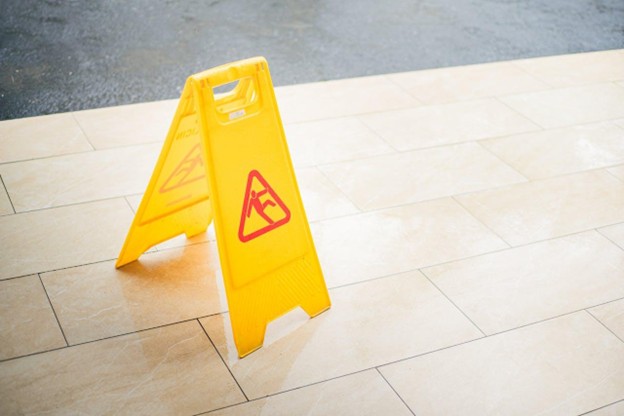
Did you know that more than one in four older adults falls every year? Workplaces aren’t much safer; roughly 2.6 million nonfatal injuries and illnesses were reported in 2023.
So, yes, injuries are common and they happen everywhere: living rooms, office lobbies, loading docks, front steps. What often gets missed is how preventable so many of them are. You tighten a loose board, and a fall may never happen. You replace a flickering bulb in a stairwell, and no one has to grab the handrail in a panic. It’s the sort of practical work that never makes headlines but it absolutely determines whether a property keeps people safe or becomes the setting for an accident and a lawsuit.
Common Hazards In Homes
Homes tend to collect risks slowly, almost without anyone noticing. This is because we have a tendency to fix bigger projects first, and let smaller issues hang around for so long, they become normal. But these “smaller” issues, like a floppy rug that always moves or a dim hallway light, can easily turn into serious and big problems.
- Wet or slippery floors. Kitchens, bathrooms, entries after rain or snow are trouble spots. A momentary slip can cause fractures or head injuries, especially for older adults.
- Poorly maintained stairs and handrails. Loose treads, missing railings, or inconsistent riser heights increase fall risk.
- Loose rugs and clutter. Throw rugs without non-skid backing and cords across walkways remain low-budget hazards that show up in ER stats every year.
- Lighting gaps. Dim stairwells or path lighting that fails at dusk; these are simple fixes with high impact.
- Hazardous entryways and sidewalks. Cracked or uneven sidewalks, steps without landings, and unshoveled paths create predictable trip points.
Common Hazards In Businesses
Businesses face a different kind of pressure because hazards don’t just affect day-to-day comfort; they disrupt operations, expose owners to claims, and frustrate employees who rely on safe spaces to do their jobs. And when customers get hurt, the fallout often spreads beyond the initial incident.
- Wet floors and spills. In retail and hospitality, spills and tracked-in rain cause many claims. Warning signs help but only if they’re used and placed correctly.
- Cluttered aisles and poor housekeeping. Storage left in walkways, boxes on floors, and exposed cables lead to trips and sprains.
- Faulty or missing fall protection. In construction and maintenance, falls from elevation are a leading cause of fatal workplace injuries. Proper harnesses, guardrails, and training matter.
- Uneven parking lots and entry ramps. These are a frequent source of premises liability claims (and bad Yelp photos).
- Inadequate staff training on hazards. No policy means inconsistent responses and more injuries.
What To Do If You Get Injured
First things practical: seek medical care immediately if you need it. Then, document everything: photos of the scene (don’t move hazard until photographed, but do this only if safe), the contact details of witnesses, and the time and conditions (what lighting was like, even weather). If staff witness the event, take note of that, too.
Know that if the injury occurred on someone else’s property, you may have legal options for injuries on unsafe property. Legal counsel is key if you want to claim compensation.
How To Reduce Risks: Homes And Businesses
Many people assume risk reduction requires lots of work, but in reality, all you need are a few predictable routines and a little follow-through. Once you build those habits into normal property upkeep, you’ll have far better control over what happens on your property.
- Inspection routines. Create a checklist and do short daily inspections for entrances, stairs, and high-traffic floors.
- Fix the easy stuff quickly. Replace loose tiles, repair handrails, and install non-slip treads. Prioritize fixes that remove a fall path entirely.
- Design for predictable behavior. People walk where it’s convenient, so place trash cans and signage where they won’t trip, and route foot traffic away from hazards.
- Run scenario-based training for staff. Short is fine, as long as it’s effective and includes what to do after a fall or other accident. (Quarterly refreshers work.)
- Lighting and maintenance contracts. Regular lighting audits and a vendor contract for seasonal tasks (snow, leaf removal) reduce surprises.
- Record keeping. Keep an incident log, maintenance receipts, and inspection checklists; those records limit liability and speed corrective actions.
You can’t eliminate all risk. But you can make hazards less likely and less severe. That combination — proactive maintenance, quick fixes, consistent documentation, and staff discipline — will reduce injuries and the legal exposure that follows. Prevention often costs less than a single claim.