
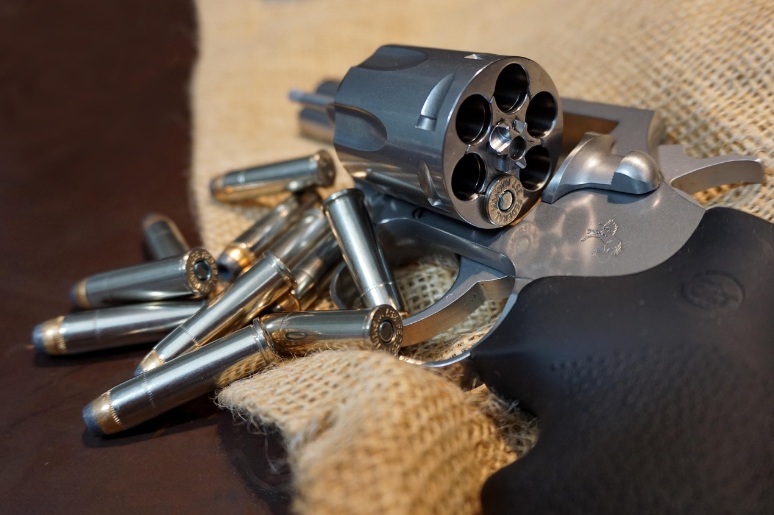
Unused firearms raise questions about safety, responsibility, and long-term planning that families cannot overlook. As such, each firearm influences how a home manages access, storage, and future decision-making, and these concerns grow as circumstances change over time.
How Families in North Carolina Can Approach Unused Firearms Responsibly
Clear decisions help families maintain control over their environment. Here are some responsible choices North Carolina families can consider.
Sell Through a Licensed Dealer
A licensed dealer provides a clear and secure pathway that ensures the entire transaction follows state and federal regulations. For instance, the dealer verifies the buyer’s eligibility, conducts background checks, and handles all the required documentation. It reduces the complexities for families.
In today’s digital age, online platforms offer an even more accessible option. These platforms connect sellers with licensed dealers, facilitating the entire sale without requiring face-to-face interactions. A family can search online using a phrase like sell gun in North Carolina or another state to quickly find reputable platforms that match them with certified dealers who finalize the sale.
Using an online platform streamlines the process, making it easier to reach a broader audience while maintaining the necessary safeguards.
Voluntary Surrender Through Local Law Enforcement
Voluntary surrender provides a straightforward and final option for families who want to remove an unwanted firearm from their home without the complexities of selling or transferring it. Many local law enforcement agencies across North Carolina have programs that allow residents to surrender firearms for safe disposal.
The process is usually simple and does not require the firearm to be resold or passed to another owner. Instead, it’s turned over to the authorities for proper disposal or destruction, ensuring that it no longer poses any risk. Surrendering through law enforcement also eliminates concerns about legal compliance, as the agency is responsible for handling all necessary documentation.
Donation for Training or Historical Purposes
Donating an unused firearm can turn it into a valuable resource for training or historical preservation. Various organizations, museums, and educational programs often accept firearms to use in safety courses or exhibitions that teach responsible ownership. This donation serves a dual purpose: it clears space in the home while contributing to a larger cause.
For example, firearms used in training programs help educate future owners on proper handling and safety procedures. On the other hand, donating to a museum ensures preservation for historical purposes, allowing future generations to understand its significance.
Gunsmith Evaluation Before Any Decision
Before making a final decision about what to do with an unused firearm, families can seek the expertise of a gunsmith. A gunsmith can thoroughly assess the firearm’s condition, identifying any issues related to functionality, wear, or damage. This evaluation helps families determine whether the gun is still operable or if it’s better suited for repair, donation, or disposal.
If the firearm is deemed outdated or inoperable, the family can make an informed decision about surrendering or recycling it, knowing it no longer poses a risk. On the other hand, if the firearm is in good condition, the gunsmith might recommend selling or donating it.
Legal Transfer to a Trusted Family Member
Transferring a firearm to a trusted family member is a simple way to keep it within the family while making it legal. In North Carolina, private transfers between family members are allowed, provided both parties meet state and federal legal requirements. This process involves verifying the eligibility to give ownership to a family member legally permitted to own a firearm.
Once the transfer is complete, the firearm is no longer the responsibility of the original owner, reducing potential safety risks. For families, this option provides a solution without third-party involvement.
Consult a Local Firearms Attorney for Legal Guidance
When dealing with unused firearms, consulting a local firearms attorney can provide valuable clarity and peace of mind. Firearm laws in North Carolina, like those in other states, are nuanced, with specific regulations on ownership, transfer, and disposal. A firearms attorney is well-versed in both state and federal laws and can guide families through the legal complexities.
For example, they can explain the legal steps for transferring firearms to a family member or donation rules. Additionally, the attorney can advise on how to handle firearms with legal restrictions, such as those with a unique history.
Firearm Storage Solutions for Long-Term Security
If a family is unsure about how to dispose of or transfer an unused firearm, secure storage is a key first step in protecting the household. Proper storage helps prevent unauthorized access to firearms, reducing the risk of accidents or misuse.
High-quality firearm safes or lockboxes can store firearms securely, ensuring only authorized individuals can access them. Biometric safes, for example, provide an extra layer of security with fingerprint recognition, making it quick and easy for responsible owners to access their firearms when needed.
Additionally, storing firearms in a safe location gives families time to carefully consider the next steps for their firearm, whether that means selling, donating, or surrendering it. Firearm storage solutions can also serve as a long-term safety measure if a family plans to keep the firearm.
State-Sponsored Firearm Safety and Education Programs
North Carolina offers firearm safety programs designed to teach gun owners safe handling, proper maintenance, and their legal responsibilities. These courses, typically organized by law enforcement or accredited organizations, cover essential topics such as storing firearms securely to prevent unauthorized access. Participants also learn the importance of regular maintenance to ensure firearms remain in good condition, reducing the risk of malfunction.
For families with unused firearms, these programs can help guide decisions about safe storage or handling until they determine the next steps, such as whether to sell, transfer, or surrender the firearm. These courses also encourage responsible ownership, empowering families to manage unused firearms.
Conclusion
Managing unused firearms responsibly is essential for ensuring safety and compliance in North Carolina households. For instance, securely storing firearms until a family makes a decision prevents unauthorized access and reduces risks.
Additionally, families have several legal options, such as selling through a licensed dealer, transferring to a trusted family member, or surrendering it to local law enforcement. By making informed choices, families can maintain control over their environment.