
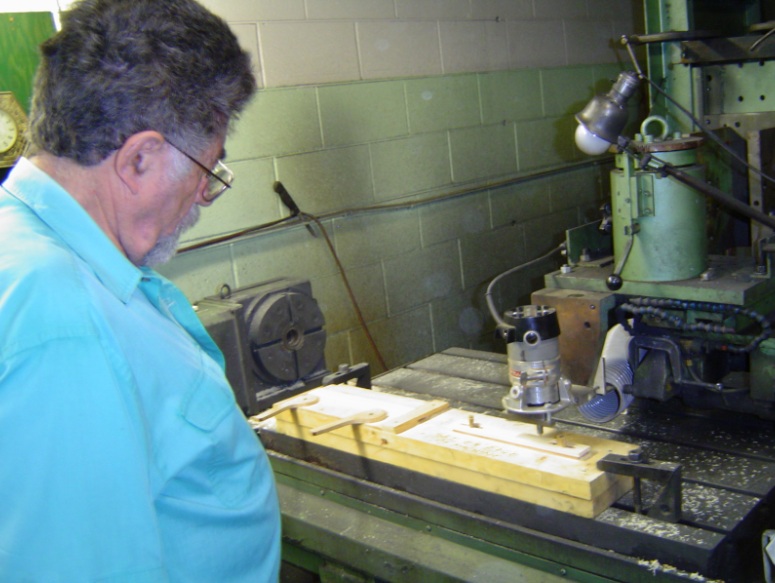
Material waste is one of the costs that you might forget about if you run a woodworking business. While the small scraps, rework, and mistakes that occur on every job may not seem significant at first, their cumulative impact can be significant.
Wood CNC technology gives you a way to practise getting rid of waste, being accurate, and getting ready for every step of the production process. These are the six most important ways to use machines to cut down on waste.
1. Precise Cutting Reduces Guesswork
When doing things by hand, they mostly depend on accurate measurements, steady hands, and constant attention. Under those circumstances, even the most skilled worker might indicate a dimension that is incorrect.
Because of this, a proportionate board might end up being discarded as a result. As the amount of work increases, the number of errors that occur also increases.
Using the same programme, CNC machines cut the board. This programme is followed by the machines. It means that a processed board has the correct dimensions, making waste lower.
2. Optimised Nesting Maximises Sheet Usage
If parts are not spaced properly on a sheet, there are many sections that could be used. However, they are too big, which makes these losses invisible until you get to material costs.
Since CNC software makes a layout before cutting, the wood cnc machine packs all components so tightly and logically that it requires the sheets’ total area to do so. This increases the yield without altering the material supply.
3. Repeatability Prevents Rework
When one batch of components does not correspond to the other, producing replacements takes twice the material and time for each. This problem occurs more frequently due to uneven manual tasks.
CNC machines conduct the same cutting operation in a constant and precise location. Once a procedure is installed, the CNC machine produces matching parts repeatedly. The last aspect prevents rework as a result of variability.
4. Cleaner Cuts Preserve Material Integrity
Timber must be removed from such areas, and it can no longer be used or significantly reduce the available measure. As a result, the volume of such residues generated is substantial. CNC cutting, on the other hand, provides systematic cutting with stable paths. The condition of the edges and areas that have not been cut is robust.
5. Better Planning Happens Before Cutting Starts
Manual workflows usually commence cutting before the design is entirely resolved. When changes occur halfway, it means that some pieces will go to waste as they are not fully cut. In this sense, the reactive manner increases waste.
On the other hand, CNC workflow requires digital planning upfront. The design is tested and finalised before the materials are loaded. In this sense, few changes occur after the material has been prepared; primarily, it results in timber waste.
6. Consistent Results Make Offcuts More Usable
The end-use applications of leftovers in subsequent jobs are restricted in appropriateness owing to the odd shapes, rough edges, and indeterminate sizes. Such offcuts normally lead to disposal, as mentioned above.
In contrast, predictable sizes of leftovers with clean edges are obtained using the CNC machine. The ability to save and use them in the future turns CNC offcuts from waste into a resource.
When Precision Replaces Excess
Saving materials is not just about saving timber. It also leads to better margins, less difficult planning, and kinder production habits. The more predictable and precise cutting becomes, the less people will tolerate the waste. Using wood CNC machinery means that scrap no longer takes part in the process.