
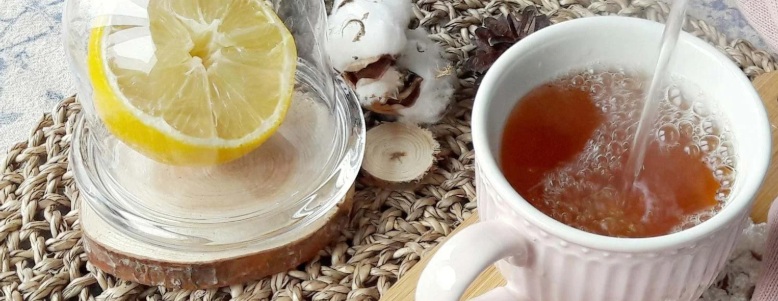
Oolong tea has characteristics of both black tea and green tea. Because of this, it is very sensitive to different brewing variables. If your cup of oolong tea lacks flavour or is too light, this is most likely due to the brewing technique and not the quality of the tea. This article will outline the most important brewing changes that will improve the quality of your oolong tea.
1. Adjust the Water Temperature
Oolong tea is usually best brewed at water temperatures between 85 degrees and 95 degrees. For example, lighter oolongs will require slightly cooler water at the brewing temperature. If the tea tastes too bitter, try brewing it at a lower temperature.
On the other hand, if the tea tastes too weak, then you will want to try brewing it at a higher temperature. Temperature changes can make a significant difference in how the tea tastes.
2. Modify Steeping Time
Steeping time plays a very big role in determining how bitter or bland a tea can taste. For longer steeping times, more of the bitter flavour notes that the tea contains will be extracted. If the tea is steeped for a shorter time, it will have more of the light and floral flavours.
It is best to start your steeping time shorter and then to add time incrementally. One of the most important notes in tea brewing is that you can’t undo over-extraction.
3. Adjust Leaf Quantity
If you use too few leaves, you will end up with watery coffee. On the other hand, too many will overpower the taste, so measuring will help establish consistency.
Single-leaf oolongs may need more, but a good starting point for leaves should be 1 teaspoon per cup. Making small adjustments will help you find your preferred strength of the brew.
4. Experiment With Multiple Infusion
Oolong tea is meant to be steeped multiple times. Each step reveals a new side to the leaves. For example, the first steep might show off a mixture of floral notes, while subsequent steeps might be richer and more roasted or more fruity.
When steeping oolong leaves, don’t discard them after the first steep. Give them a second or even a third steep. You may be surprised at how smooth and deep the flavour becomes.
5. Use the Right Teaware
If you use smaller teapots or gaiwans, you will be able to have better control. You may even experience a range of flavours depending on how large or small the pot is.
The type of pot you are also using affects how heat is retained and how heat stability is achieved. If you are using porcelain or clay pots, the heat will be more stable and consistent, leading to more consistent and predictable results.
6. Control Water Quality
The type of water you are using will have a significant effect on the flavour of your tea. For example, hard water will mask the flavour of your tea. Use fresh and clean water to maintain the bright and good flavour in your tea. If you use filtered water, the flavour will be bright and clean.
You will also want to use good-quality water for each brew. If you can use fresh water, the flavours will be better.
7. Let the Leaves Open Fully
Most oolong leaves are rolled tightly, so be sure to give them time to fully unfurl. Giving the leaves more room will improve their flavour.
The expanded leaves will deepen the flavour. With patience while the leaves brew, the natural complexity will develop.
Small Changes, Big Flavour Difference
When it comes to brewing oolong tea, it’s all about making adjustments according to the situation. Knowing this will elevate a mediocre cup to a fantastic cup.