
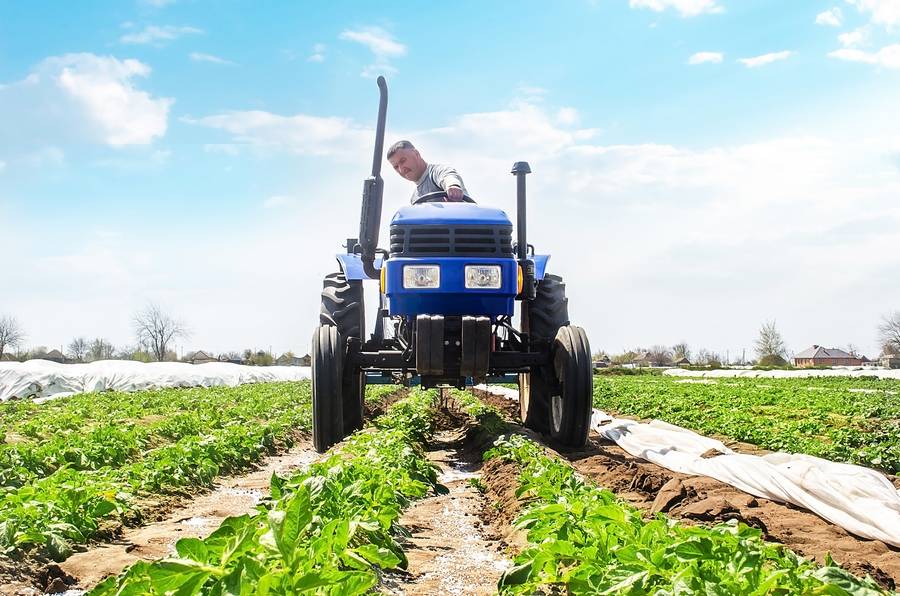
Taking care of farm equipment is vital for efficient farming and longer use. A well-maintained tractor or combine can significantly improve planting and harvest times, helping you get work done faster. With proper care, your machinery can serve you for many years. It’s not just about having the right tools. It’s essential to keep them in good working order.
Whether you are a seasoned farmer or new to farming, knowing how to maintain your equipment can save you time, money, and frustration later. Routine daily checks and seasonal maintenance are key to a smoother farming operation.
Here are some best practices for maintaining farm equipment:
Daily Inspections
Every day presents new challenges on the farm. Before starting work, take a moment to inspect your equipment. Check fluid levels, belts, and hoses for wear, and ensure all safety features are functional. A quick daily inspection can identify minor issues before they become costly repairs.
Look for leaks, worn-out parts, or anything unusual. This only takes a few minutes but can save you hours of downtime. Keeping a daily checklist can help ensure nothing is overlooked.
Seasonal Maintenance
As the seasons change, your equipment needs different care. Each season has specific maintenance tasks to keep everything running properly. For example, focus on tillage and planting equipment before planting season. After harvest, clean and store your equipment carefully. Seasonal maintenance also includes changing oil, replacing filters, and lubricating moving parts to keep machinery ready for use.
Consider creating a maintenance schedule that aligns with your farming activities. This way, every piece of equipment receives the attention it needs at the right time, helping extend the life of your tractors and tools.
Storing Equipment
Proper storage is essential for keeping farm equipment in good condition. When equipment is not in use, clean it thoroughly to remove dirt and debris that can cause rust. If possible, store machinery indoors to shield it from the weather. Covering equipment with tarps can also guard it against dust and moisture.
For larger equipment, think about having a dedicated space like a barn or shed. For smaller tools, use storage racks or containers to keep everything organized.
Sub Compact Tractors
A sub compact tractor is a handy tool on a farm, offering flexibility that many farmers appreciate. These compact models pack power while being easy to handle, suitable for jobs like mowing and light tilling. They can work in tighter spaces without losing performance.
These tractors can use various attachments, allowing farmers to change tasks quickly. With proper maintenance, sub compact tractors can serve you for years, handling jobs from landscaping to everyday chores.
Compact Tractors
Compact tractors are perfect for medium to large farms, striking a balance between size and power. They can take on heavier tasks that smaller equipment may struggle with. Compact tractors have strong engines to handle demanding jobs while remaining light enough for easy maneuvering.
Regular maintenance for compact tractors includes checking tire pressure, monitoring hydraulic fluid levels, and ensuring the battery is charged. This routine care keeps your tractor in good working order, so you can tackle larger jobs with confidence. Investing in a compact tractor means you gain a machine that can greatly enhance your farming efforts.
Investing in Quality Parts
To keep your farm equipment running well, use high-quality parts and fluids. Always choose replacement parts and fluids recommended by the manufacturer. Using the correct oils, filters, and components helps your machinery run efficiently and last longer.
Talk to other farmers to find trusted suppliers and get recommendations for parts. Building a network can help you handle maintenance issues more easily.
Regular maintenance is key to extending the life of your farm equipment. Taking some time for this will lead to better efficiency, less downtime, and a more productive farming operation. So, get hands-on and enjoy taking care of your equipment!
Training and Education
Investing in training for yourself and your farm staff is important for keeping equipment in good shape. Knowing how to use machinery properly can reduce wear and tear and help prevent accidents. Many manufacturers provide training programs for their equipment, which can be very helpful. It’s also important to stay up to date on the latest technology and best practices for maintaining farm equipment. This knowledge can improve your skills and efficiency.
You should attend workshops, online courses, or agricultural fairs to learn about new techniques and innovations in equipment care. Being well-informed can greatly enhance your farming operations.
Record Keeping
Maintaining a detailed log of all maintenance activities is essential for effectively managing farm equipment. Record inspections, repairs, and any parts replaced. This documentation helps you track the condition of your machinery and makes it easier to spot patterns of wear or recurring issues.
Having a maintenance log can also help when selling equipment. Buyers often look for a well-documented care history, which can increase your machinery’s value. Regularly updating your records ensures that you don’t miss anything, leading to smoother operations and better decision-making about repairs and replacements.