
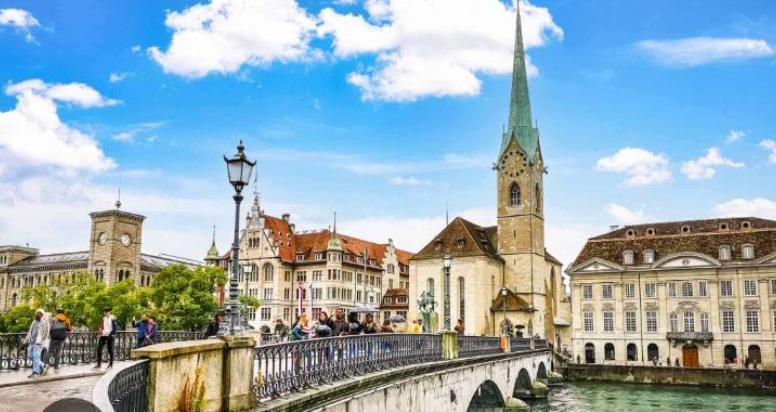
Living in the world’s most expensive cities has always come with a premium, but in 2026, that premium is reaching new heights. From New York and London to Singapore and Zurich, the cost of living continues to climb faster than many residents can keep up with. What used to be considered a worthwhile trade-off for better job opportunities and quality of life is now becoming a serious financial challenge. For many people, simply maintaining a comfortable lifestyle in these cities is no longer guaranteed.
Housing Costs Are Pushing Budgets to the Limit
Housing remains the biggest expense for most residents, and it is often the main reason why cities are labeled “unaffordable.” Rent prices have surged dramatically, and buying property is out of reach for many middle-income earners. As a result, more people are exploring alternatives like shared housing, moving to smaller apartments, or even considering relocation options abroad. In some cases, individuals look into opportunities like dual citizenship to expand their housing choices and access more affordable living environments without completely giving up global mobility.

Everyday Essentials Are Adding More Financial Pressure
Beyond housing, the cost of everyday essentials is also rising steadily. Groceries, public transportation, utilities, and healthcare are becoming more expensive, leaving residents with less disposable income. In cities where dining out and convenience services are part of daily life, even small expenses can quickly add up. For families, education and childcare costs add another layer of financial strain. Altogether, these everyday expenses make it increasingly difficult for residents to stay within budget.
Wages Are Rising, but Not Always Fast Enough
While salaries have increased in many of the world’s leading cities, they often fail to keep pace with the rapid rise in living costs. High-paying industries such as finance, technology, and consulting still attract talent, but even well-paid professionals are starting to feel the squeeze. For those in lower or middle-income roles, the gap between earnings and expenses is even more noticeable. This imbalance is creating a situation where earning more does not always translate into better financial stability.
How Residents Are Adapting to Stay Afloat
To cope with rising costs, residents are finding creative ways to manage their finances. Many are choosing to live farther away from city centers where rent is lower, even if it means longer commutes. Others are cutting back on non-essential spending, such as entertainment and travel. Remote work has also become a valuable tool, allowing some people to earn salaries tied to expensive cities while living in more affordable locations. These adjustments highlight how people are adapting, but they also show how much effort is required just to stay afloat.
What Affordability in Global Cities Could Look Like Next
Looking ahead, the future of affordability in the world’s costliest cities remains uncertain. Governments and policymakers are under increasing pressure to address housing shortages, regulate prices, and improve access to essential services. At the same time, individuals may continue to seek flexible living arrangements, including relocating or diversifying where they live and work. While these cities will likely remain global hubs of opportunity, the question remains: will they still be accessible to the average resident, or only to the highest earners?