
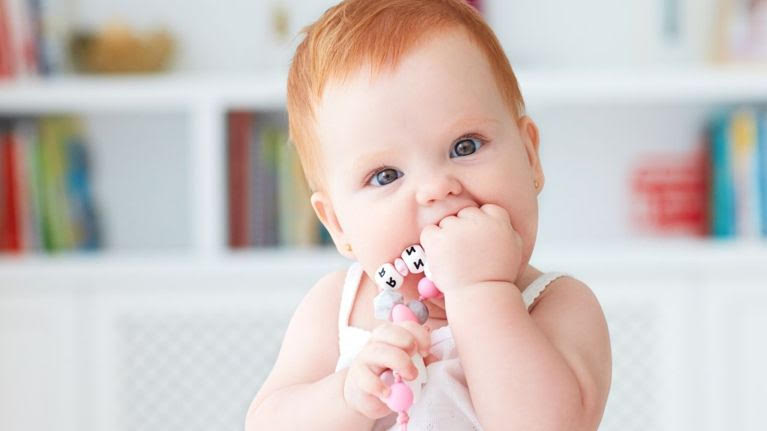
Teething is an important milestone in a baby’s growth, but it can also bring symptoms like drooling, irritability, and sometimes teething diaper rash. Many parents notice redness or irritation in the diaper area during this stage. Increased saliva and sensitive skin may contribute to diaper rash when teething. While most cases are mild, severe irritation may require medical evaluation, and healthcare providers at St. Michael’s Elite Hospital can help assess the condition and guide proper care.
Why Teething Causes Diaper Rash
During teething, babies produce more saliva, which can travel down and irritate the sensitive skin in the diaper area. This moisture creates a perfect environment for rashes from teething to develop. Additionally, teething can make babies more irritable and restless, leading to delayed diaper changes, which increases the risk of teething bum rash. The combination of wetness, friction from diapers, and exposure to urine or stool can trigger diaper rash and teething simultaneously. Some infants may also develop mild inflammation in response to teething-related changes in hormone levels, which further contributes to skin sensitivity.
Symptoms of Teething Rash
Recognizing teething rash symptoms early helps parents provide relief and prevent infections. If you notice the following, consider consulting your pediatrician or contact us for guidance:
- Red, irritated skin in the diaper area
- Small bumps or pimples around the bottom
- Tender or sore skin that your baby may touch or rub
- Mild swelling or warmth in the affected area
- Discomfort during diaper changes, crying, or fussiness
- Occasional light bleeding if the rash becomes severe
These symptoms often appear alongside other teething signs such as drooling, gum swelling, and irritability. Early recognition can help reduce discomfort and prevent the rash from worsening.
Causes of Teething Diaper Rash
Teething diaper rash develops due to several factors, each contributing to irritation and discomfort in the sensitive skin of your baby’s diaper area. Understanding these causes can help parents prevent or reduce the severity of teething bum rash and soothe their baby more effectively.
Increased Saliva and Drooling
Excess saliva from teething may trickle down to the diaper area, irritating delicate skin and creating a teething diaper rash. The constant moisture softens the skin, making it more vulnerable to redness and irritation.
Wet Diapers and Friction
Frequent urination, combined with less frequent diaper changes due to fussiness, can cause teething bum rash and sore skin. The friction from wet diapers rubbing against sensitive skin can worsen discomfort and lead to persistent irritation.
Sensitive Skin Reactions
Some babies have more sensitive skin, making them prone to rashes from teething. Even minor friction from diapers or clothing can trigger redness, bumps, or mild swelling in the diaper area.
Stool Acidity
Changes in bowel movements during teething may result in acidic stool, which increases redness and inflammation in the diaper area. Acidic contact with delicate skin can prolong healing and make the rash more uncomfortable for the baby.
Mild Hormonal Changes
Teething can slightly affect hormone levels, leading to minor skin sensitivity and contributing to diaper rash and teething discomfort. These hormonal changes may also make babies more irritable, leading to delayed diaper changes that worsen the rash.
How to treat Teething Rash
Most teething-related diaper rashes are mild and can be managed safely at home. With proper care, gentle remedies, and attention to hygiene, parents can reduce discomfort and help the skin heal faster. Parents can try these remedies:
- Change diapers frequently to keep the area dry
- Use gentle, fragrance-free wipes or a soft cloth for cleaning
- Apply a protective barrier cream to soothe irritated skin
- Allow diaper-free time to let the skin breathe
- Use soft, breathable cotton diapers to reduce friction
- Monitor for signs of infection, like swelling, pus, or spreading redness
- Keep your baby hydrated and comfort them during teething episodes
When to Go to the ER
While most teething diaper rashes are mild, certain signs indicate the need for urgent care at an emergency facility:
- Severe redness, swelling, or pain in the diaper area
- Rash spreading beyond the diaper region
- Blistering, pus, or bleeding
- Fever or signs of infection
- Persistent crying or discomfort that home care does not relieve
If your baby exhibits any of these symptoms, it’s important to seek immediate medical attention for professional guidance. Prompt evaluation ensures the rash is treated appropriately and prevents complications.