
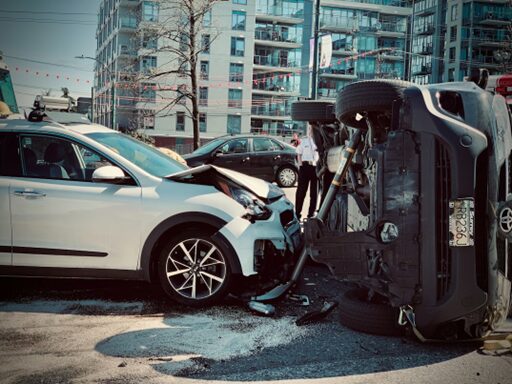
Most people walk away from a car accident expecting a standardized payout, but settlement values are actually calculated through a precise weighing of medical documentation, liability percentages, and available insurance limits. There is no “average” check because every variable, from the specific code on a medical bill to the wording of a police report, serves as a lever that moves the final number up or down.
Navigating this process requires moving past the guesswork of online calculators and looking at the hard evidence. By identifying the exact factors adjusters use to evaluate a claim, you can better position yourself for a fair recovery.
The sections below break down the key factors that influence settlement value and how they work together.
Injury Severity and Medical Impact
One of the most important factors in determining compensation is the severity of injuries. More serious injuries typically result in higher settlements due to increased medical costs and long-term effects.
For a deeper look at how compensation can vary, reviewing typical car accident settlement amounts can provide helpful context. Having a general benchmark makes it easier to understand where a specific case might fall.
Injury-related factors that influence settlement value include:
- Type of injury sustained
- Length of recovery time
- Need for ongoing treatment
- Impact on daily activities
- Permanent or long term disability
Medical documentation plays a critical role here. Detailed records help support claims and provide evidence of the injury’s impact.
Fault and Liability in Car Accident Cases
Fault is another major factor that affects settlement outcomes. The degree of responsibility assigned to each party can directly influence how much compensation is awarded.
In some cases, liability is clear, while others involve shared fault. When multiple parties are involved, settlement amounts may be reduced based on each person’s level of responsibility.
Understanding how fault is evaluated can help set expectations. Insurance companies and legal professionals look closely at the details of the accident when determining liability.
The Role of Evidence in Strengthening a Claim
Strong evidence can significantly increase the likelihood of a favorable settlement. Clear documentation helps establish what happened and supports the extent of damages claimed.
Evidence can take many forms, and each piece contributes to the overall strength of the case. Without solid proof, even valid claims can face challenges during negotiations.
Key types of evidence often include:
- Police reports
- Photos of the accident scene
- Witness statements
- Medical records
- Repair estimates
Well-organized evidence makes it easier to present a compelling case. It also reduces the chances of disputes during the settlement process.
Insurance Coverage and Policy Limits
Insurance coverage plays a major role in determining how much compensation is available. Even if damages are high, policy limits can cap the final settlement amount.
Both the at-fault driver’s insurance and the claimant’s own coverage may come into play. Understanding these policies helps clarify what compensation may be possible.
Important insurance-related factors include:
- Policy coverage limits
- Type of insurance coverage
- Uninsured or underinsured motorist protection
- Deductibles and exclusions
- Claims history
Knowing these details early in the process can help avoid surprises later on.
Economic and Non-Economic Damages
Settlement value is also influenced by the types of damages being claimed. Economic damages are easier to calculate, while non-economic damages are more subjective.
Both categories are important in determining total compensation. A well-documented claim typically includes a combination of both.
Common types of damages include:
- Medical expenses
- Lost wages
- Property damage
- Pain and suffering
- Emotional distress
Non-economic damages often depend on how the injury affects quality of life. Strong supporting evidence can help justify higher compensation in these areas.
Negotiation and Legal Representation
The negotiation process itself can impact the final settlement amount. Skilled negotiation can lead to better outcomes, especially when dealing with insurance companies.
Legal representation often plays a key role in navigating these discussions. Experienced professionals understand how to present evidence and advocate for fair compensation.
Preparation and strategy matter throughout the process. Being informed and organized can improve confidence and lead to stronger results.
Setting Realistic Expectations After an Accident
Understanding what affects settlement value helps set realistic expectations after a car accident. Factors like injuries, fault, evidence, and insurance all work together to shape the outcome.
No single element determines the final number. A balanced view of all contributing factors provides a clearer picture of what to expect.
Reviewing typical car accident settlement amounts can offer helpful insight, but each case remains unique. Taking the time to understand the process can make navigating it far more manageable.