
Retail is going through another wave of technological shifts. Payment terminals with biometric support, automated inventory systems, and new settlement methods are reshaping the offline commerce landscape faster than even experienced retailers can adapt.
The reason is straightforward: customers have become more demanding. Fintech solutions are making technologies once reserved for large retail chains accessible to a much wider market.
Payment Innovations: Beyond NFC
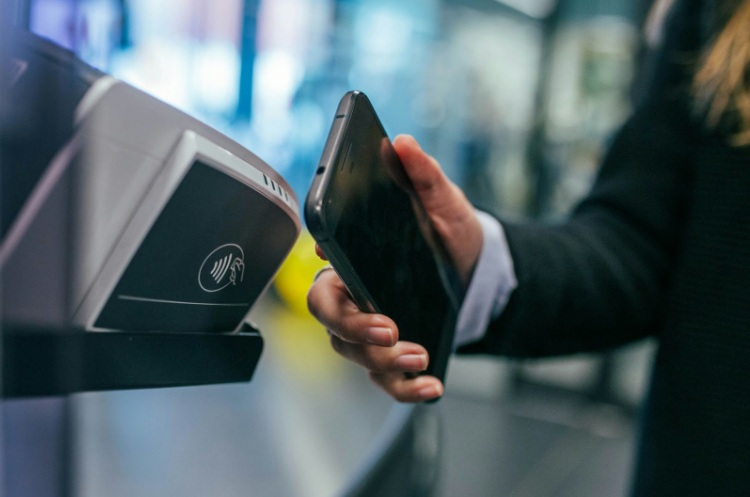
Contactless payments are no longer perceived as a novelty. Apple Pay, Google Pay, and their counterparts have firmly entered everyday life. However, the next step involves integrating alternative payment methods directly into POS systems. Small coffee shops in Gdansk or bookstores in Prague are installing crypto payment terminal solutions that allow accepting digital currency payments on par with traditional cards. This is no longer an experiment for tech enthusiasts but a pragmatic decision for attracting a specific audience segment.
At the same time, the banking sector isn’t standing aside. PKO Bank Polski and mBank are actively testing biometric authentication at checkout counters – a finger touch or a glance at the camera is enough to confirm a transaction. The technology eliminates the need to carry a physical card, though privacy concerns remain debatable.
Artificial Intelligence Behind the Checkout Line
Cameras with facial and behavioral pattern recognition are already working in Biedronka and Żabka chains. The system tracks how much time a shopper spends near a specific shelf, which items they pick up but return. These insights provide a more accurate picture of consumer preferences than any surveys could.
Amazon Go launched the cashier-less store concept back in 2018, but the technology remained inaccessible to average businesses for years due to astronomical implementation costs. Now Polish company Żappka Store offers an adapted version of such a system for local chains – a set of sensors and cameras costs about as much as renovating a small sales floor, making the investment acceptable.
Machine learning algorithms also optimize inventory management. Carrefour Polska uses predictive analytics to forecast demand for perishable products, reducing the write-off percentage by 18%. The program accounts for weather, calendar events, even football match results – everything that might influence purchases.
Back Office Automation
Accounting and reporting have traditionally consumed massive amounts of time for small business owners. Modern POS systems integrate with cloud accounting platforms like inFakt or Wfirma, automatically generating tax documents and synchronizing data with bank accounts.
Platform VENDO provides detailed statistics: which product sells better on Monday mornings versus Friday evenings. Based on this data, delivery schedules can be adjusted, avoiding warehouse overflow or shortages of popular items. The system tracks real-time sales from anywhere in the world through analytical dashboards.
Companies like Inqud are pushing the envelope further by offering payment infrastructure that seamlessly connects crypto and traditional payment rails, giving merchants flexibility without technical complexity.
Next-Generation Loyalty Programs
Perforated plastic cards for stamp collecting already belong to the past. Mobile apps with dynamic discounts and personalized offers have become the standard. Allegro Lokalnie, for instance, allows stores to create their own loyalty programs with minimal technical effort – just configure parameters in the personal cabinet.
More interesting is how collected data gets used. The Hebe cosmetics chain sends customers reminders about their favorite cream running out three days before it likely ends (based on purchase history and average usage time). Conversion of such messages reaches 40%, while regular promotional mailings rarely exceed 5%.
Gamification is also gaining momentum. A bakery chain in Krakow launched a “baker’s badges” system – customers receive virtual rewards for trying new bread varieties and can share achievements on social networks. Simple, yet the average check grew by 22%.
Data Security as Competitive Advantage
GDPR forced businesses to take personal information protection more seriously. However, forward-thinking companies went beyond minimum requirements, turning security into a marketing tool.
Apteka Gemini advertises that all customer medical data is stored on servers with military-grade encryption and never transferred to third parties even for analytics. For people buying prescription medications, this matters – and they’re willing to pay slightly more for confidentiality assurance.
Two-factor authentication for POS system access stopped being optional after a series of cash register hacks in 2023, when hackers manipulated prices and stole card data. Now even small shops install protected terminals with mandatory verification through SMS or app.
Open Banking and New Opportunities
The PSD2 directive opened access to banking data through APIs, enabling creation of financial services on top of existing infrastructure. For retail stores, this means instant customer creditworthiness verification right at the checkout.
Polish company PayPo offers buy-now-pay-later solutions integrated into POS terminals. The shopper sees on the screen that payment can be split into four interest-free installments – the decision is made in 3 seconds based on banking history analysis. The store receives money immediately, while the fintech provider assumes the risks.
Similar models are developing across European markets with various installment payment services. Partner stores gain broader customer flow, especially in electronics and furniture segments where average checks exceed several thousand euros.
Online and Offline Integration
The omnichannel concept has stopped being an empty buzzword. A shopper can add items to the cart through a mobile app, reserve them at the nearest store, and pick up in half an hour. Reserved, CCC, and other major chains have already implemented this functionality, but now similar capabilities are appearing among much smaller players thanks to SaaS platforms.
BaseLinker unifies sales from Allegro, OLX, proprietary websites, and physical stores in a single panel. Stock levels synchronize automatically – if someone bought the last pair of sneakers online, they instantly disappear from offline reservation options.
Click-and-collect became especially popular during the pandemic, but demand hasn’t dropped even after restrictions were lifted. People value time savings: instead of wandering the shopping center, everything necessary can be picked up in 20 minutes, pre-assembled by store staff.
Environmental Payment Solutions
Some fintech startups bet on consumer environmental consciousness. Doconomy released a card that tracks the carbon footprint of each purchase and blocks when the monthly CO2 emissions limit is reached. Radical, but there’s an audience ready for such restrictions.
A softer variant involves compensation programs. When paying at partner stores, a portion of funds automatically goes to greening projects or renewable energy. Triodos Bank actively promotes this model among independent shops in the Netherlands and Poland.
Electronic receipts, besides convenience, reduce thermal paper consumption, whose production harms the environment. According to Green Alliance estimates, abandoning paper receipts across the EU would save about 10 million trees annually.
Implementation Challenges
Despite obvious advantages, fintech innovations face resistance. The main obstacle is initial investment. Payment infrastructure modernization can cost from several thousand to tens of thousands of euros depending on business scale. For a family shop barely breaking even, this is an insurmountable sum.
Staff training also demands resources. Older cashiers often feel discomfort from the need to master new systems, leading to errors and slower service during the implementation phase.
Regulatory uncertainty regarding cryptocurrencies and digital assets makes many owners refrain from integrating corresponding payment methods, even when customer demand exists.
Technical support becomes critical – when the payment system fails, the store essentially stops. Dependence on internet connection creates vulnerability, especially in regions with unstable infrastructure.
Looking at the Near Future
The next two to three years will bring further diversification of payment methods. Central banks are actively developing digital versions of national currencies (CBDC) – digital zloty or digital euro could be used like regular cash but with all the advantages of electronic transactions.
Voice assistants are being integrated into POS systems, allowing staff to manage operations without touching screens. Useful during peak loads or in conditions with heightened hygiene requirements.
Augmented reality will change product presentation methods. A shopper will be able to point a smartphone at a product and see detailed information, reviews, usage recipes – all without needing to approach a consultant.
Fintech in physical retail is only beginning to reveal its potential. Those who invest in modern solutions today will gain a tangible competitive advantage tomorrow. The rest risk finding themselves on the market’s sidelines, where customers increasingly value speed, convenience, and personalized service.