
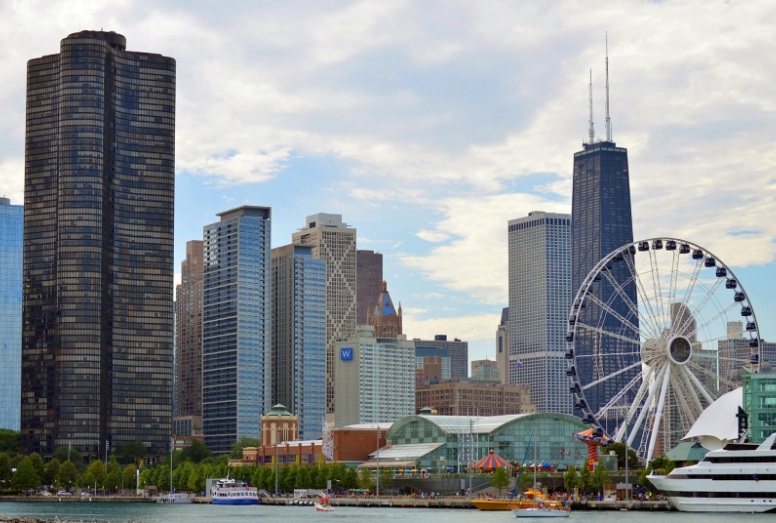
Relocating to a vibrant city like Chicago can be both thrilling and daunting. As the third-largest city in the U.S., Chicago offers a unique blend of cultural diversity, iconic architecture, and bustling neighborhoods. However, moving to a city of this scale requires thoughtful planning. Whether you’re changing careers, starting school, or simply looking for a new environment, use this Chicago relocation guide 2026 to make your transition as seamless as possible.
1. Understand Chicago’s Neighborhoods
One of the most important considerations before moving to Chicago is the city’s rich variety of neighborhoods—each with its own character and vibe. From the upscale charm of Lincoln Park to the creative energy of Wicker Park, choosing where to live will significantly affect your lifestyle. Take time to explore areas like:
- The Loop: Ideal for professionals wanting to live close to downtown.
- Lakeview: Perfect for families and young professionals.
- Hyde Park: is known for its academic atmosphere and historical significance.
Research factors such as commute times, access to public transit, school districts, and crime rates before making a decision.
2. Budget for High Living Costs
One essential for moving to Chicago, IL in2026 is budgeting realistically for living expenses. Although Chicago is more affordable than cities like New York or San Francisco, costs can still be high—particularly in trendy neighborhoods. Make sure to research average rent prices, transportation costs, and utilities. Additionally, property taxes in Illinois are among the highest in the country, which can affect your budget if you plan to buy a home.
3. Prepare for Four Distinct Seasons
From humid summers to snow-filled winters, Chicago experiences all four seasons in full effect. Winter, in particular, can be intense, with snowstorms and sub-zero temperatures. Investing in proper winter gear and understanding basic snow safety precautions are key aspects of what to know before moving to Chicago.
4. Utilize Public Transportation
Chicago is known for its efficient public transit system, primarily operated by the CTA. The “L” train system and extensive bus lines make commuting easy without a car—especially in the inner city. If you plan to live and work in central areas, you may be able to rely entirely on public transit, saving on car maintenance and parking fees.
5. Hire Reputable Local Movers
A successful move also hinges on the team helping you transition. Hiring experienced Chicago movers can make a big difference in handling logistics efficiently, especially if you’re relocating from out of state. Look for movers who are familiar with the city’s layout, building requirements, and traffic regulations.
6. Learn the City’s Regulations and Licenses
Before moving, check if your new residence requires a parking permit for moving trucks. In some neighborhoods, you’ll also need to apply for an official move-in permit from the city. Being aware of these municipal regulations is a crucial part of any relocation to Chicago, as it includes a list of advice to avoid fines and moving delays.
7. Embrace the Chicago Culture
Finally, immerse yourself in what makes Chicago exceptional. Indulge in deep-dish pizza, catch a play at the Chicago Theatre, stroll along the lakefront trail, and experience one of its 77 community areas. Relocating isn’t just about adjusting to a new location—it’s about embracing a new lifestyle.
By carefully planning your move with these moving to Chicago IL, 2026 tips, you’ll set yourself up for success in one of the most dynamic cities in the U.S. Make your relocation smooth, safe, and enriching by taking the time to get to know the city before your arrival.