
Sound has always carried emotional weight; yet, modern neuroscience treats it as measurable sensory input. Vibrations reach your ears and skin, then convert into electrical impulses traveling through the brainstem toward networks that regulate attention and mood. When people ask how does sound healing work, researchers start with resonance. Clinical research supports the emotional impact as well, with one large patient study reporting anxiety reductions after music-based sessions in about 91.9% of participants.
Biological tissues respond to pressure waves while predictable patterns alter neural firing timing. You may feel calm because sensory processing shifts toward stable rhythms that the brain interprets as safe. In laboratory settings, even simple tones can lower heart rate and breathing pace, so the experience feels personal, but the mechanism begins as physics interacting with perception inside living neural circuits.
Brainwave entrainment and neural rhythms
Scientists often explain sound healing therapy through brainwave entrainment, a process where repeating tones guide neural oscillations into matching cycles. Binaural beats provide the clearest demonstration: two nearby frequencies played separately to each ear produce a perceived third frequency inside auditory pathways. Here, electroencephalography recordings frequently show increases in theta activity associated with relaxed awareness.
If you have ever noticed music helping you concentrate, you already experienced a mild version of this timing effect. Researchers discussing “how does sound healing work” focus on rhythmic regularity, where the brain predicts repeating signals efficiently, and prediction reduces cognitive load. Ultimately, that reduced load allows emotional circuits to settle into steadier patterns.
Physiological relaxation and clinical environments
Clinical programs sometimes add acoustic regulation alongside counseling, including places such as Evolutions Treatment Center in Florida that combine mindfulness with sensory grounding strategies. Low frequency vibrations activate parasympathetic pathways connected to the vagus nerve, influencing digestion, heart rhythm and breathing pace. Today, studies measuring salivary cortisol often record moderate decreases after structured listening sessions.
When you feel tension release during sustained tones, the shift reflects measurable autonomic balance rather than suggestion alone. Professionals answering the question of “how does sound healing work” frequently point toward this body level regulation, where emotional relief follows physical calmness. The nervous system interprets stable internal signals as safety, allowing cognitive defenses to relax without requiring deliberate effort from you.
Mechanical vibration and the body
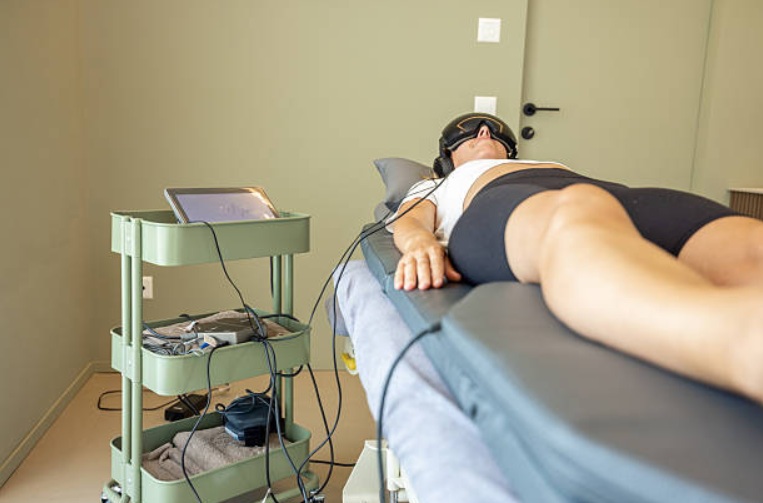
Sound interacts with more than hearing because the body senses vibration directly through mechanoreceptors embedded in skin and connective tissue. Vibroacoustic therapy exposes patients to frequencies roughly between forty and one hundred twenty hertz delivered through chairs or tables. Meanwhile, research involving chronic pain populations reports reduced perceived intensity and improved sleep quality after repeated sessions.
The explanation involves sensory gating, where competing input dampens pain transmission in spinal pathways. Considering how does sound healing work from a physics standpoint, the process resembles massage delivered through oscillating air pressure, where you perceive warmth or heaviness because neural circuits prioritize predictable vibration over irregular discomfort signals traveling upward.
Limits, placebo effects and careful interpretation
Scientific literature presents mixed findings, which matters if you value realistic expectations. Some trials demonstrate improved mood or anxiety reduction, while others show little difference from quiet rest conditions. Attention, ritual and environment strongly influence perception, so separating acoustic influence from context requires rigorous controls.
Today, researchers emphasize individual variability and the importance of repeated exposure rather than single sessions. When evaluating claims about “how does sound healing work”, a balanced view helps you avoid exaggerated promises about cellular repair or universal cures. Still, risk remains low while relaxation responses appear consistently enough to justify complementary use alongside therapy, exercise or structured recovery programs.
A balanced scientific understanding
A practical interpretation sits between skepticism and enthusiasm, where acoustic stimulation can guide brain rhythms, stabilize autonomic activity and alter sensory weighting through known physiological mechanisms. You gain the most benefit when sessions accompany intentional breathing or reflection, since attention reinforces rhythmic entrainment. Clinicians describe how does sound healing work as cooperative regulation: external patterns help internal systems synchronize efficiently.
Ultimately, the result feels restorative because predictability signals safety to ancient survival circuits. Sound alone rarely replaces medical treatment, yet it can support emotional regulation and focus. Looking ahead, understanding the mechanisms lets you approach the experience thoughtfully rather than treating it as mysterious intervention beyond biology.