
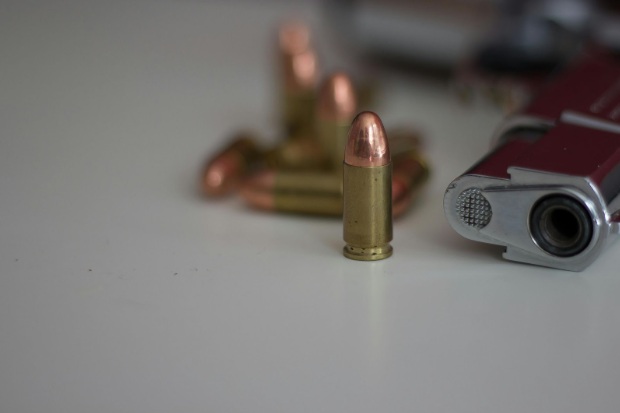
In today’s digital age, social media has become a space for sharing personal achievements, hobbies, and interests. Among these is firearm ownership, a topic that often finds its way into photos or videos. While many gun owners share their collection or experiences online without concern, it’s important to understand that certain posts can unintentionally attract legal attention. This includes serious federal charges.
Continue reading this article to learn common mistakes that may lead to legal trouble and strategies for protecting yourself online.
Risks of Posting Firearms Online
Sharing firearm images or videos on social media may seem harmless, but public posts can serve as evidence in federal investigations. Law enforcement agencies monitor platforms, and posts can reveal possession, intent, or violations of federal law. For example, posting a photo of a restricted firearm, like an unregistered silencer or fully automatic weapon, can lead to scrutiny even if no crime was intended.
The content and context of posts both matter. Advertising a sale, showing firearms across state lines, or joking about prohibited items can have legal consequences. Posts can unintentionally demonstrate knowledge or intent about illegal possession, unlicensed sales, or prohibited modifications. Authorities may interpret innocent content as evidence, so gun owners must consider legal implications before posting.
Common Mistakes That Lead to Legal Trouble
Many firearm-related posts that trigger legal issues stem from unintentional mistakes. Some common missteps include:
- Selling or transferring firearms without following federal rules: Certain transactions, particularly moving guns from one state to another, require federal background checks and adherence to Bureau of Alcohol, Tobacco, Firearms, and Explosives (ATF) regulations. It’s important that you fully know how federal charges work beforehand.
- Displaying restricted firearms without proper registration: Weapons such as short-barreled rifles, silencers, or fully automatic guns are heavily regulated. Showing them online without legal registration can result in federal charges.
- Violating age or interstate restrictions: Federal law restricts who can possess firearms and which states certain firearms may be transferred to, making even casual posts about interstate transfers risky.
- Straw purchases: Buying a firearm on behalf of someone else is illegal, and online posts can unintentionally reveal such transactions.
Even gun owners with no criminal intent can face severe consequences if these rules are unknowingly violated.
How to Protect Yourself Online
Being careful online is an essential part of responsible firearm ownership. Some practical steps include:
- Avoid posting identifiable information alongside firearms: Personal details such as your address, license number, or vehicle plates can tie posts to potential violations.
- Do not advertise sales or trades publicly: Online marketplaces or social media posts about transferring firearms can be interpreted as illegal sales if not compliant with federal law.
- Keep posts general: Avoid implying criminal intent or showing prohibited modifications.
- Understand privacy limits: Even private accounts can be subject to subpoenas or investigations if content is relevant to federal cases.
By taking these precautions, gun owners can enjoy sharing their hobby without exposing themselves to unintended legal risks.
Endnote
Social media provides a platform to express interests and connect with communities, but for firearm owners, it also comes with legal responsibilities. Posts can be used as evidence, and federal charges carry serious penalties. Understanding the risks, following the laws, and exercising caution online are essential steps in responsible gun ownership. When in doubt about legality, protect yourself by being proactive and thinking before you post.