
Industrial jobs come with tons of risks. Heavy machinery moves rapidly. Sharp tools are everywhere. There’s always something to watch out for.
Then, you add flammable materials to the mix. Think gasoline. Acetone. Maybe some industrial solvents. These make the job even more dangerous. They ignite in seconds. Vapors spread silently. One careless move, and something might explode.
That’s why it’s crucial to be safe. It isn’t optional when you’re dealing with these materials. Follow these moves to stay safe around flammables at work.
1. Always Wear Proper PPE
Refinery work puts you close to heat and chemicals. One splash can burn your skin. One spark can turn into a fire. The right gear matters. That’s where personal protective equipment, or PPE, comes in.
PPE means flame-resistant gear. That includes clothes, gloves, face shields, goggles, and more. It’s vital for industrial jobs, like welding. Sparks fly there, too. But it’s even more crucial in refineries. That’s because fuel vapors raise the risk.
Make PPE part of your routine. Check it before every shift. Look for cracks in helmets. Check gloves for thinning. Replace damaged gear fast. Wear everything properly. This gives your body an extra layer of defense. That protection buys you safer shifts and fewer injuries.
2. Know the Material You’re Handling
You might deal with dozens of substances every day. Gasoline. Solvents. Chemical additives. Each one behaves differently. Some ignite fast. Some release heavy vapors. Some react badly with water. Guessing is dangerous here. Learning about what you handle is part of staying alive on the job.
Read safety data sheets. Ask supervisors questions. Learn storage rules and transfer procedures. Pay attention during training. When you understand the material well, you move with purpose. You avoid panic. You reduce surprise hazards. Knowledge gives you control in such a high-risk environment.
3. Have Good Ventilation
Working with flammables in a tight space can be risky. Vapor builds up. When the air doesn’t move, the fumes stay trapped. That creates breathing hazards. Fire risks, too.
Proper ventilation keeps dangerous gases from collecting. So, make sure your site has it. Turn on exhaust fans. Especially during tasks that release fumes. Open vents when allowed. Report blocked airflow. Fresh air reduces vapor concentration. It lowers the chance of ignition.
4. Keep Ignition Sources Away
Fires start from something small. A spark from equipment. Heat from tools. Static electricity from movement. Imagine a vehicle’s overactive ignition coil. It creates too many sparks to start an engine. That same spark would be disastrous near flammables.
Turn off tools when they aren’t in use. Don’t drag metal across hard surfaces. Keep open flames far from work zones. Use hot equipment with caution. Reducing ignition sources lowers the chance of fires.
5. Handle Spills Immediately
Spills happen often in industrial environments. Hoses leak. Valves fail. Containers tip over. When flammable liquids hit the floor, danger spreads. Slippery surfaces can lead to falls. That’s why spill safety is a top priority.
Clean up spills fast. Grab some absorbent pads. Place drip trays under leaking equipment. Apply neutralizing agents when required. Shut off the source if it’s safe. Fast response cuts vapor buildup. It reduces slips. It keeps the work area safe for operations.
6. Keep Fire Extinguishers Near
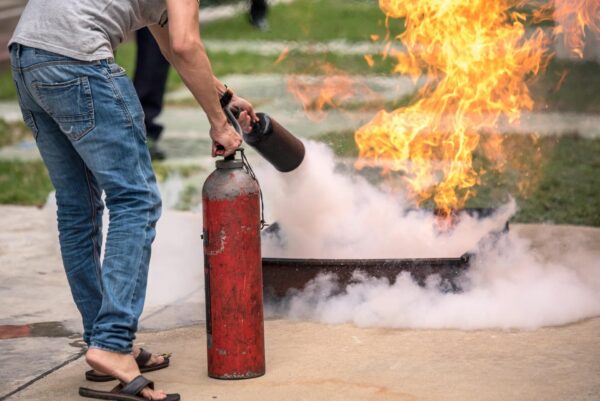
When flames appear, you need to act fast. Searching for equipment wastes time. Fire extinguishers should always be easy to reach. That way, you can stop a fire before it spreads.
Learn the locations of extinguishers on your site. Check pressure gauges during routine inspections. Make sure pathways stay open. Being prepared allows for a faster response. That preparation protects lives.
7. Avoid Fatigue
Industrial shifts can be long and demanding. Heat from flammables adds physical stress. Repetitive work drains attention. Fatigue slows reaction time. That makes mistakes more likely. And everyone knows mistakes near flammable materials are especially dangerous.
So, take scheduled breaks seriously. Drink water throughout the shift. Rest when allowed. Speak up if exhaustion becomes overwhelming. Staying alert helps you notice hazards earlier. That awareness keeps accidents from happening.
8. Know Your Workers’ Rights
Even when you follow every rule, accidents can still happen due to flammables. When they do, confusion often follows. Workers worry about missing pay. They fear reporting injuries. That silence can make recovery more complicated. Knowing your rights protects you when the job turns dangerous.
Learn your company’s reporting process. Document incidents right away. Keep copies of medical visits. If the injury is severe, legal guidance matters. Refineries involve complex liability questions. A refinery workers’ compensation lawyer can help you understand coverage and long-term care options. So, make sure you know one. Having this support gives you stability while you heal. It also ensures your injury doesn’t end your career.
Conclusion
Working around flammable materials isn’t casual. You deal with heat. Pressure. Vapors. If something goes wrong, it can quickly turn into a trip to the hospital. This kind of job rewards workers who take safety seriously. So, always wear your PPE. Understand the flammables you’re working with. Keep ignition sources far enough away.
Follow all the tips above, and your job stays under control. Your crew stays protected. You go home with sweat on your clothes, not soot on your face. You don’t gamble with fuel and fumes. Instead, you manage them safely.