
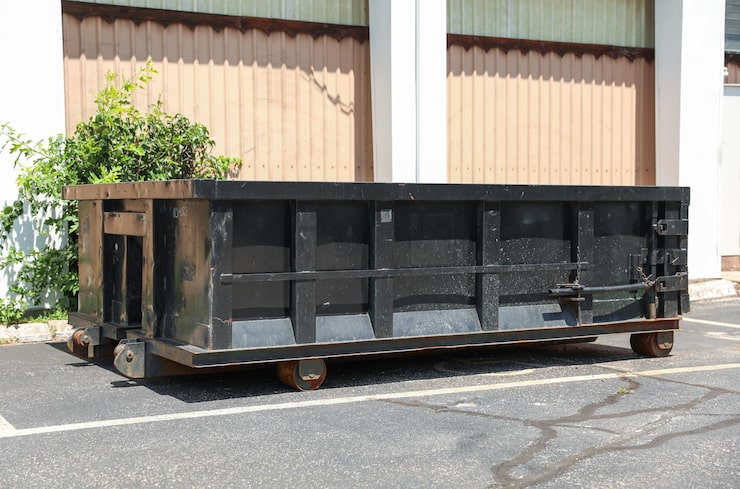
Material staging is one of the most overlooked contributors to job site safety. Construction managers and contractors spend significant time planning sequencing, trade coordination, and inspections, yet debris flow and waste containment often remain reactive rather than strategic. When waste is not managed in tandem with active material staging, access routes narrow, hazards multiply, and productivity declines.
Dumpster rentals are not just about removing debris from the site. They play a direct role in maintaining clear staging zones, reducing trip hazards, protecting material inventory, and preserving safe workflow across all phases of construction. When integrated properly, waste logistics become a stabilizing element in site management rather than an afterthought.
The Relationship Between Staging and Safety
Material staging refers to how construction materials are stored, organized, and accessed on site before installation. Lumber bundles, drywall stacks, roofing materials, piping, mechanical units, and finish products must be staged in ways that protect both workers and the materials themselves.
However, staging zones compete for space with debris accumulation. As demolition progresses or packaging waste increases, leftover materials begin to encroach on staging areas. Without structured containment, the separation between “active material” and “waste material” blurs quickly.
This overlap creates several risks:
- Trip and fall hazards
- Blocked access for forklifts and lifts
- Reduced emergency egress clearance
- Confusion between usable and discarded materials
Dedicated dumpsters create a defined boundary between waste and staging inventory, preserving safe working conditions.
Controlling Debris During Active Phases
During demolition, framing, or roofing, debris generation is constant. Scrap lumber, broken drywall, packaging wrap, and fastener containers accumulate throughout the day. If these materials are left scattered near staging zones, they disrupt organization and increase accident potential.
Strategically placed dumpsters allow crews to deposit waste immediately rather than stacking temporary piles. This supports:
- Cleaner staging areas
- Reduced clutter
- More efficient material retrieval
- Improved line of sight for supervisors
The faster debris leaves active work zones, the safer those zones remain.
Protecting Material Inventory from Contamination
On busy job sites, debris and staging areas can easily overlap. Loose waste can damage or contaminate staged materials, particularly in exterior or mixed-use projects where wind and weather play a role.
Examples include:
- Sawdust settling on finished materials
- Roofing scraps puncturing membrane rolls
- Metal shards contaminating framing stacks
- Packaging waste entangling stored materials
Maintaining dedicated containment through dumpsters preserves the integrity of staged materials and reduces material loss.
Maintaining Clear Access for Equipment
Material staging relies heavily on equipment access. Forklifts, telehandlers, scissor lifts, and cranes require stable, unobstructed paths to deliver and retrieve materials.
Unmanaged debris piles narrow turning radii and create unpredictable obstacles. Equipment repositioning caused by blocked access slows production and increases the risk of collision or tipping.
Strategically positioning dumpsters near debris generation points but away from primary equipment corridors preserves safe machine operation.
Clear access lanes are essential for both efficiency and risk reduction.
Supporting Emergency Access and Egress
Safety protocols require clear emergency access routes. Fire lanes, exit pathways, and muster points must remain unobstructed at all times.
When debris accumulates informally, these areas are often compromised first because they appear temporarily unused. This creates compliance concerns and increases liability exposure.
Defined waste containment prevents debris creep into critical safety zones. Construction managers who treat dumpster placement as part of emergency planning strengthen overall site compliance.
Reducing Double Handling of Materials
Every time waste is relocated, additional labor and risk are introduced. Double handling occurs when debris is piled temporarily and later moved again into a container.
This practice:
- Increases labor hours
- Creates extended exposure to sharp or unstable materials
- Adds unnecessary physical strain
- Extends clutter duration
Direct-to-container disposal reduces handling frequency and supports safer daily cleanup routines.
Minimizing touchpoints improves both productivity and safety metrics.
Improving Trade Coordination
Multiple trades operating simultaneously generate distinct waste streams. Framers produce scrap lumber, electricians create packaging and conduit offcuts, and drywall crews generate cut sections and dust.
Without centralized containment, waste from different trades intermingles and spreads into shared staging zones.
Coordinated dumpster usage establishes clear protocols:
- Deposit waste immediately after task completion
- Avoid staging scrap in common corridors
- Maintain separation between active inventory and discard material
Structured waste procedures support smoother multi-trade operations.
Preventing Overloaded Walkways and Platforms
On multi-story builds or interior renovations, waste often accumulates along stairwells and hallways before final removal. These temporary piles restrict movement and increase fall risk.
Regular container swaps and accessible dumpster placement reduce the temptation to stack debris in transit corridors.
Maintaining open walkways protects workers and reduces the chance of compliance citations during inspections.
Controlling Packaging Waste During Delivery Surges
Material deliveries frequently arrive in bulk. Pallets, plastic wrap, cardboard, and protective coverings accumulate rapidly during peak delivery windows.
If packaging waste is not removed promptly, staging zones become cluttered and inefficient. Organized container access allows crews to clear packaging immediately, preserving clean storage areas for incoming materials.
Managing packaging waste effectively keeps staging areas organized and usable.
Aligning Dumpster Placement with Site Layout
Safe material staging begins during pre-construction planning. Dumpster placement should be integrated into the overall site logistics map, alongside:
- Material drop zones
- Equipment staging areas
- Access roads
- Temporary fencing
- Utility corridors
Placing containers too close to staging areas can create congestion. Placing them too far increases debris transport distance and handling risk.
Balanced placement supports efficient movement while maintaining safety.
Managing Weight and Surface Stability
Loaded dumpsters exert concentrated weight on pavement or compacted soil. If containers are placed in unstable areas, surface damage or shifting may occur.
Evaluating ground stability before placement prevents:
- Pavement cracking
- Container settling
- Equipment access obstruction
Using protective boards or reinforced areas reduces risk.
Stable placement protects both staging zones and underlying infrastructure.
Seasonal and Weather Considerations
Weather influences staging safety. Rain turns loose debris into slippery hazards. Wind scatters lightweight materials into adjacent zones.
Proactive dumpster usage reduces loose material exposure and limits weather-driven hazards.
Construction managers should anticipate:
- Increased moisture weight during rainy seasons
- Wind displacement of packaging
- Snow accumulation obscuring debris piles
Active containment mitigates environmental variables.
Supporting Documentation and Site Audits
Large projects often undergo safety audits or compliance reviews. Clean staging zones and organized waste containment reflect disciplined site management.
Auditors frequently assess:
- Clear access routes
- Proper waste segregation
- Absence of trip hazards
- Defined storage areas
Structured dumpster logistics demonstrate operational control and reduce audit risk.
Industry conversations frequently reference coordinated services such as Waste Removal USA when discussing how centralized waste planning supports safer job site organization across multiple projects and jurisdictions.
Consistency across sites enhances overall safety performance.
Reducing Liability Exposure
Job site injuries tied to clutter or debris accumulation increase liability exposure for contractors and project owners. Slip-and-fall incidents, puncture injuries, and equipment collisions often trace back to poor waste control.
Proactive dumpster utilization:
- Reduces clutter
- Limits material migration
- Maintains visual order
- Strengthens documented safety protocols
Lower risk translates to stronger insurance positioning and fewer claim events.
Integrating Waste into Safety Culture
Safety culture extends beyond hard hats and signage. It includes daily housekeeping practices and disciplined waste management.
Construction managers who integrate dumpster planning into safety meetings reinforce expectations around:
- Immediate disposal
- Clear walkways
- Respect for staging zones
- Shared responsibility
Embedding waste logistics into site culture supports consistent outcomes.
Common Mistakes That Undermine Staging Safety
Recurring issues include:
- Undersized containers leading to overflow
- Delayed haul scheduling
- Poor placement blocking equipment routes
- Allowing debris to accumulate near staging materials
- Failing to coordinate between trades
These oversights erode safety margins and create avoidable hazards.
Proactive planning corrects them before they escalate.
Dumpster rentals play a central role in maintaining safe material staging on job sites. By separating waste from active inventory, preserving access routes, and reducing clutter, structured debris containment strengthens overall site safety.
For construction managers and contractors, integrating dumpster logistics into staging plans enhances workflow efficiency, reduces injury risk, and supports compliance with safety standards. Waste removal is not merely a cleanup function. It is a foundational element of safe and organized job site management.