
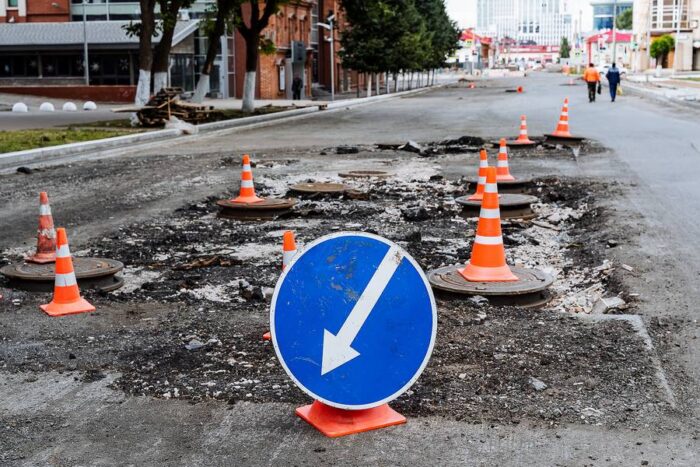
Ensuring road safety in urban areas is important for everyone—drivers, pedestrians, and cyclists. In busy cities, where many vehicles and modes of transport meet, we need robust safety measures. A culture of road safety can lead to fewer accidents, injuries, and deaths. This requires strict rules, personal responsibility, and community awareness.
We all have a part in making our streets safer. By obeying traffic signals and educating others about safe practices, we can work together to promote a safer urban experience. Road safety isn’t just for authorities; it involves everyone living in the city.
Let’s look at ways to improve road safety in your city.
Education and Awareness
We should teach road safety from an early age. Schools can have programs to teach children about traffic signals, crosswalks, and the importance of looking both ways before crossing the street. Paents can help by teaching their children safe walking habits. Local governments can support by providing educational materials and organizing community workshops.
Public campaigns can keep road safety in the spotlight. Signs reminding pedestrians to look both ways or posters encouraging drivers to stay alert can make a big difference. Regular reminders help everyone remember their responsibilities and create a culture of safety in the community.
Infrastructure Improvements
Well-designed roads, sidewalks, bike lanes, and crosswalks help traffic flow smoothly and keep everyone safe. Cities can examine areas with many accidents and consider infrastructure improvements. Simple fixes, like adding speed bumps in neighborhoods or improving street lighting, can make roads safer.
Cities should also invest in dedicated bike lanes to protect cyclists. This encourages more people to cycle rather than drive, which can reduce traffic and improve air quality. Better crosswalks, such as those with flashing lights or pedestrian-only zones, provide safer paths for walkers.
Magnesium Chloride for Dust Control
Dust control, while seemingly unrelated to road safety, does affect road safety. Magnesium chloride is often used to manage dust on dirt roads and at construction sites. Reducing dust helps improve visibility for drivers and pedestrians, making everyone safer.
Magnesium chloride for dust control absorbs moisture from the air, keeping roads damp and reducing dust from vehicles. Cleaner air improves driving conditions, especially in busy areas. Less dust also keeps urban environments cleaner, promoting healthier living for all.
Community Engagement
Community involvement is crucial for road safety. Neighbourhood groups can hold discussions to pinpoint local safety problems and find solutions. Maybe a dangerous intersection needs redesign or more school zone signs during busy times. By involving the community, residents can voice their concerns and work together with local authorities.
Also, citizen-led safety patrols can monitor risky areas, helping to reduce reckless driving and promote traffic rule compliance. When people take part in their community’s safety initiatives, it creates a sense of ownership and responsibility, leading to more careful behaviour on the roads.
Calcium Chloride for Dust Control
Calcium chloride is a good option for controlling dust, especially in rough or unpaved areas. It attracts moisture, helping keep dust from being stirred up. For cities that are expanding or undergoing construction, calcium chloride helps keep roads safe and reduces hazards.
Using calcium chloride dust control not only improves visibility but also helps roads last longer by decreasing erosion and wear. Cleaner roads lead to fewer accidents and create a better experience for drivers, pedestrians, and cyclists. Investing in dust control like this makes roads safer for everyone.
Using Technology for Safety
Technology can greatly improve road safety. Smart traffic lights that adjust according to traffic flow and pedestrian needs can lower accident rates. Cities can use apps to inform drivers about current traffic conditions, speed limits, and upcoming roadwork or accidents.
Additionally, advanced cameras can help monitor traffic and spot violations. By studying this data, city planners can change traffic rules to enhance safety. Knowing they are being watched encourages people to follow traffic laws, which helps reduce accidents.
Legislation and Safety Enforcement
To ensure road safety, we must strictly enforce traffic laws. Local authorities need to remain vigilant about traffic violations and take swift action. They should enforce speed limits and ensure penalties for reckless driving are strong enough to deter repeat offences.
Campaigns that promote responsible driving, like “Drive Sober or Get Pulled Over,” remind drivers of their duties. The law should also address distracted driving, texting while driving, and aggressive behaviour.
Creating safer road environments requires a team effort. Everyone has a role to play in improving road safety. By focusing on education, infrastructure, community involvement, dust control, technology, and strict law enforcement, cities can become safer places to live and travel. Everyone can help with this important goal.