
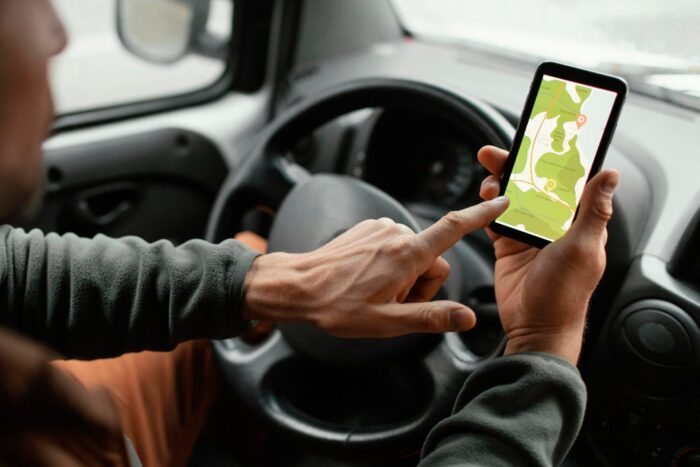
Even properly organized fleets face problems when the vehicles are utilized beyond the accepted guidelines. The illegal detours, post-office driving, and unnecessary idling are all leading to the wastage of fuel, the high cost of maintenance, and the liability. These problems are not necessarily caused by ill motives, at times, they happen because the managers cannot see what is going on with the vehicles at any given time.
There is another complication of safety issues. Lack of real-time understanding of the action on the road, or what is happening within the driving behavior, makes it hard to counter the risks, prior to them causing accidents or expensive losses. Companies must have a convenient mechanism of detecting the initial symptoms of abuse and unhealthy practices in order to intervene before issues become more complicated. The visibility gap can be addressed through technology that is used to implement real-time monitoring and ensure fleets work responsibly.
How Tracking Technology Reduces Misuse and Promotes Safer Habits
The current tracking systems are significant in the protection of fleet assets. They give an understanding of the driver operation, the road routes and performance, all of which can diminish abuse and avoid avoidable danger. Managers are able to get continuous and reliable information as opposed to using assumptions or infrequent updates.
The major advantages that can prevent abuse and enhance safety are:
- Unauthorized movement notifications such as informing the managers when an automobile is used during any time or in a different location than the designated limits.
- Observation of behavior, detection of speeding, rough braking, accelerating fast, etc. high-risk actions.
- Precise trip records, that record the precise time and place of vehicle travel.
- Checking of routes, assigning the correct routes.
Collectively, the capabilities enable a simpler process of diminishing risky actions, securing corporate assets and ensuring the stability of the safety level throughout the fleet.
The Major Roles Tracking Assists in Misuse Reduction
Visibility That Helps Eliminate Unauthorized Activity
Through vehicle tracking, business organizations are in a position to have real-time knowledge when a vehicle is operated unpredictably or outside authorized routes. This visibility deterred individual usage and enhanced protection of the assets throughout the fleet.
Insights That Support Safer Driving
Monitoring instruments give specific measures that assist in detecting unsafe trends. Checking the trends like speeding, sudden halts or prolonged idleness can direct the drivers by the managers towards more cautious, responsible conduct.
Documentation That Strengthens Accountability
The accurate recordkeeping will allow storing the information about trips, driving hours and route data properly. Such records provide clarity in instances where queries are raised concerning the utilization of vehicles and in the instance of disputes are avoided as well as the promotion of uniformity.
Building a Culture of Safe and Responsible Driving
The enhanced visibility assists in conditioning the expectations of the drivers. By knowing that the team is watched over, they will be more inclined to abide by the company rules, act with the vehicles in a proper manner, and embrace more safe lifestyles. This is proactive responsibility which minimizes the risk of accidents, makes operation smoother as well as establishing a responsible culture across the fleet.
There is also an increased efficiency in operations and a decreased misuse. When vehicles are operated on approved operations, the fleets will have a reduced number of unplanned miles, reduced fuel utilization, and a more predictable schedule of maintenance. These would eventually lead to economy and reduced disruptions.
Reducing Liability and Strengthening Long-Term Fleet Planning
Increased accessibility to the use of vehicles results in the decreased liability. Early detection of unsafe or unauthorized activity will enable managers to implement remedial measures to avoid expensive accidents and safeguard drivers as well as assets. Good safety records also assist in saving insurance claims and get better insurance covering rates.
It is easier to plan in the long term when the misuse is minimized. Having precise historical data, companies are able to assess the efficiency of their fleet, know when vehicles require replacement and allocate resources in a more efficient way. Tracking gives good indication of the normal operations of the day to day running of the company and the companies are able to expand with confidence and keep the performance standards the same.
Conclusion
Monitoring technology provides the fleets with the control they require to avoid abuse and ensure safer driving. Having real-time alert system, in-depth performance information and straightforward documentation, the businesses have the resources to secure their assets and minimize risk.
With the constantly growing demands on fleet operations, the companies relying on the contemporary tracking options will create safer, more productive, and responsible teams, which will lead to the success in the long run and reliable functioning of the fleets.