
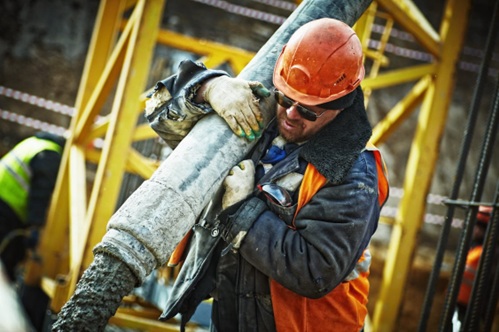
Modern workplaces demand a sharper, more adaptive approach to health and safety risk assessment. Industries now operate across interconnected systems, global supply chains, and high-risk environments that shift rapidly. Traditional checklists and static evaluations no longer meet today’s needs. Leaders must identify hazards in real time, interpret data accurately, and respond with precision. Risk assessment now blends human insight with advanced tools, making safety a continuous process rather than a one-time task. This article explores how modern techniques reshape safety practices in complex work environments while keeping people, processes, and performance aligned.
1. Understanding Complexity in Modern Work Environments
Complex work environments involve layered operations, diverse teams, and evolving technologies. These settings often include manufacturing plants, construction sites, and digital infrastructure systems. Each layer introduces new variables that affect safety outcomes. Risk assessment in such environments requires a broader perspective that captures both direct and indirect hazards. Teams must consider human behavior, system interactions, and environmental conditions. A single oversight can trigger cascading failures. Professionals now rely on dynamic frameworks that track changes as they occur. This approach ensures that risk assessment reflects reality rather than outdated assumptions.
2. Building Competency Through Structured Education
Organizations need skilled professionals who understand both theory and application. Many safety leaders develop expertise through formal training and specialized programs. A degree in occupational health and safety often provides this foundation, combining regulatory knowledge with practical risk management skills. Southeastern Oklahoma State University offers an online Bachelor of Science in Occupational Safety and Health that teaches students how to identify hazards, analyze risks, and implement corrective measures effectively. The program also aligns with industry certification pathways, allowing graduates to strengthen their credentials while preparing for real-world challenges.
3. Data-Driven Risk Assessment Strategies
Modern safety practices rely heavily on data. Organizations collect information from sensors, incident reports, and operational systems. Analysts use this data to identify patterns and predict potential risks before incidents occur. Data-driven strategies allow teams to move from reactive responses to proactive planning. Instead of waiting for accidents, professionals can anticipate hazards and act early. Predictive analytics plays a central role in this shift. It transforms raw data into actionable insights that guide decision-making. This approach improves accuracy and reduces uncertainty in complex environments.
4. Real-Time Monitoring and Smart Technologies
Smart technologies now play a key role in workplace safety. Wearable devices, IoT sensors, and automated monitoring systems track conditions continuously. These tools detect hazards such as temperature changes, gas leaks, or unsafe movements. Real-time alerts allow teams to respond immediately, reducing the chance of serious incidents. Technology also enhances visibility across operations. Managers can access live dashboards that highlight risks and performance metrics. This level of awareness strengthens decision-making and accountability. It also supports a culture where safety remains a constant priority.
5. Human Factors and Behavioral Analysis
Human behavior often influences safety outcomes more than equipment or systems. Workers make decisions based on experience, stress, and environmental cues. Modern risk assessment techniques include behavioral analysis to understand these factors. Teams observe patterns, identify unsafe habits, and design interventions that promote safer actions. Training programs now focus on awareness and accountability rather than simple compliance. This shift encourages workers to take ownership of safety practices. It also builds a culture where individuals actively contribute to risk reduction.
6. Integrating Risk Assessment into Daily Operations
Risk assessment should not exist as a separate process. Organizations achieve better results when they integrate it into daily operations. Teams conduct ongoing evaluations during routine tasks rather than waiting for scheduled reviews. This approach keeps safety aligned with actual work conditions. Supervisors and workers collaborate to identify hazards in real time. They adjust procedures as needed to maintain safe environments. Continuous integration ensures that safety becomes part of the workflow. It also reduces gaps between policy and practice.
7. Scenario-Based and Simulation Techniques
Scenario-based assessments help teams prepare for complex situations. Professionals create realistic simulations that mimic potential hazards. These exercises allow workers to practice responses in a controlled environment. Simulations reveal weaknesses in existing systems and highlight areas for improvement. They also build confidence and readiness among employees. Organizations use digital tools to create detailed scenarios that reflect real-world conditions. This method enhances learning and strengthens decision-making under pressure. It also supports continuous improvement in safety strategies.
Modern health and safety risk assessment techniques reflect the realities of today’s complex work environments. Organizations can no longer rely on static methods or isolated evaluations. They must adopt dynamic, data-driven approaches that respond to change in real time. Skilled professionals, advanced technologies, and collaborative strategies all play critical roles in this transformation. When companies integrate these elements effectively, they create safer workplaces and stronger operational systems. The future of risk assessment will continue to evolve, but one principle remains constant: proactive action prevents harm and supports sustainable success.
Modern workplaces demand a sharper, more adaptive approach to health and safety risk assessment. Industries now operate across interconnected systems, global supply chains, and high-risk environments that shift rapidly. Traditional checklists and static evaluations no longer meet today’s needs. Leaders must identify hazards in real time, interpret data accurately, and respond with precision. Risk assessment now blends human insight with advanced tools, making safety a continuous process rather than a one-time task. This article explores how modern techniques reshape safety practices in complex work environments while keeping people, processes, and performance aligned.
1. Understanding Complexity in Modern Work Environments
Complex work environments involve layered operations, diverse teams, and evolving technologies. These settings often include manufacturing plants, construction sites, and digital infrastructure systems. Each layer introduces new variables that affect safety outcomes. Risk assessment in such environments requires a broader perspective that captures both direct and indirect hazards. Teams must consider human behavior, system interactions, and environmental conditions. A single oversight can trigger cascading failures. Professionals now rely on dynamic frameworks that track changes as they occur. This approach ensures that risk assessment reflects reality rather than outdated assumptions.
2. Building Competency Through Structured Education
Organizations need skilled professionals who understand both theory and application. Many safety leaders develop expertise through formal training and specialized programs. A degree in occupational health and safety often provides this foundation, combining regulatory knowledge with practical risk management skills. Southeastern Oklahoma State University offers an online Bachelor of Science in Occupational Safety and Health that teaches students how to identify hazards, analyze risks, and implement corrective measures effectively. The program also aligns with industry certification pathways, allowing graduates to strengthen their credentials while preparing for real-world challenges.
3. Data-Driven Risk Assessment Strategies
Modern safety practices rely heavily on data. Organizations collect information from sensors, incident reports, and operational systems. Analysts use this data to identify patterns and predict potential risks before incidents occur. Data-driven strategies allow teams to move from reactive responses to proactive planning. Instead of waiting for accidents, professionals can anticipate hazards and act early. Predictive analytics plays a central role in this shift. It transforms raw data into actionable insights that guide decision-making. This approach improves accuracy and reduces uncertainty in complex environments.
4. Real-Time Monitoring and Smart Technologies
Smart technologies now play a key role in workplace safety. Wearable devices, IoT sensors, and automated monitoring systems track conditions continuously. These tools detect hazards such as temperature changes, gas leaks, or unsafe movements. Real-time alerts allow teams to respond immediately, reducing the chance of serious incidents. Technology also enhances visibility across operations. Managers can access live dashboards that highlight risks and performance metrics. This level of awareness strengthens decision-making and accountability. It also supports a culture where safety remains a constant priority.
5. Human Factors and Behavioral Analysis
Human behavior often influences safety outcomes more than equipment or systems. Workers make decisions based on experience, stress, and environmental cues. Modern risk assessment techniques include behavioral analysis to understand these factors. Teams observe patterns, identify unsafe habits, and design interventions that promote safer actions. Training programs now focus on awareness and accountability rather than simple compliance. This shift encourages workers to take ownership of safety practices. It also builds a culture where individuals actively contribute to risk reduction.
6. Integrating Risk Assessment into Daily Operations
Risk assessment should not exist as a separate process. Organizations achieve better results when they integrate it into daily operations. Teams conduct ongoing evaluations during routine tasks rather than waiting for scheduled reviews. This approach keeps safety aligned with actual work conditions. Supervisors and workers collaborate to identify hazards in real time. They adjust procedures as needed to maintain safe environments. Continuous integration ensures that safety becomes part of the workflow. It also reduces gaps between policy and practice.
7. Scenario-Based and Simulation Techniques
Scenario-based assessments help teams prepare for complex situations. Professionals create realistic simulations that mimic potential hazards. These exercises allow workers to practice responses in a controlled environment. Simulations reveal weaknesses in existing systems and highlight areas for improvement. They also build confidence and readiness among employees. Organizations use digital tools to create detailed scenarios that reflect real-world conditions. This method enhances learning and strengthens decision-making under pressure. It also supports continuous improvement in safety strategies.
Modern health and safety risk assessment techniques reflect the realities of today’s complex work environments. Organizations can no longer rely on static methods or isolated evaluations. They must adopt dynamic, data-driven approaches that respond to change in real time. Skilled professionals, advanced technologies, and collaborative strategies all play critical roles in this transformation. When companies integrate these elements effectively, they create safer workplaces and stronger operational systems. The future of risk assessment will continue to evolve, but one principle remains constant: proactive action prevents harm and supports sustainable success.