
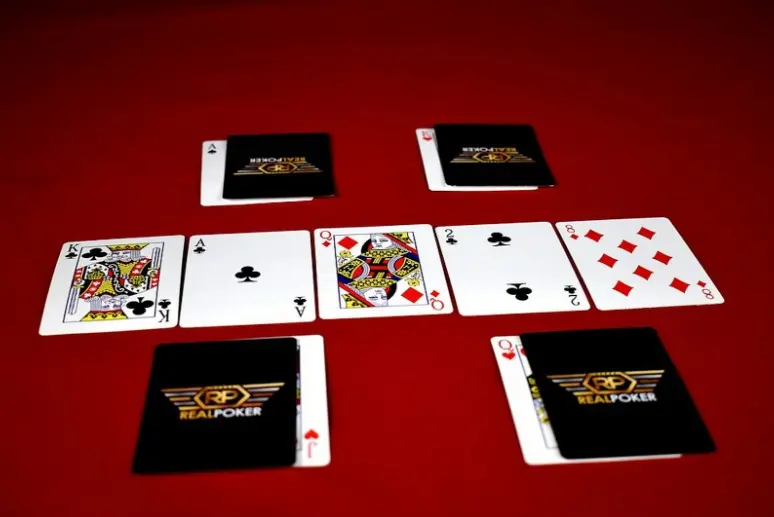
A good poker night is more than cards and chips. It is about creating an evening that people truly enjoy. The best home games are relaxed, social, and easy to join, whether guests know poker strategy or just want fun with friends. Successful game nights have rhythm: a welcoming setup, clear rules, reasonable stakes, and an atmosphere where everyone feels included. That sense of accessibility is one reason poker remains popular across formats, from home tables to the top online poker sites.
That is exactly why home poker nights still appeal to so many people. They combine light competition with conversation, snacks, laughter, and the familiar comfort of being around people you know. Unlike a casino setting, a game at home gives you control over the pace, the atmosphere, and the tone of the evening. You can keep it casual, low stress, and entertaining from the first hand to the last.
Still, hosting a poker night well takes more than shuffling a deck and clearing off the dining table. A little planning makes a major difference. If you want your guests to have a great time and actually want to come back for another game, these eight tips will help you host a poker night that feels organized, fun, and responsible.
1. Keep the Guest List Manageable
A home poker night works best when the group is large enough to be lively but small enough to stay comfortable. For most hosts, that means somewhere between five and eight players. That range gives you enough action at the table without creating long waits, crowding, or confusion.
Think about the personalities in the room as much as the number of guests. A good mix matters. If half the table takes the game very seriously and the other half is just there for conversation, the tone can feel uneven. Try to invite people who will enjoy the same kind of evening.
Some groups want a competitive game. Others want a low-stakes social night with plenty of joking between hands. Neither approach is wrong, but it helps when everyone arrives with similar expectations.
2. Choose a Simple Format that Everyone Can Follow
Texas Hold’em is usually the safest choice for a home game because many people already know the basics, and even beginners can pick it up quickly. If your group prefers another format, that is fine, but it is usually smart to avoid games that require too much explanation or too many side rules.
Simplicity helps the night flow. Guests should not spend the first hour trying to understand betting structures, hand rankings, or special house rules. If you do want to add a twist, explain it before the first deal and keep the explanation short. Clear rules make the game feel fair and prevent awkward disagreements later.
A quick printed cheat sheet with hand rankings can also be helpful for less experienced players. It is a small touch, but it makes new players feel more comfortable and welcome at the table.
3. Set Low Stakes and Clear Limits
One of the easiest ways to keep a poker night enjoyable is to keep the money side modest. The point of a home game should be entertainment, not pressure. Low stakes allow everyone to relax, play a few hands, and stay engaged without worrying that one bad round will ruin the night.
Before the game begins, make sure everyone understands the buy-in, the blind levels, and whether rebuys are allowed. This avoids confusion and maintains a friendly atmosphere. It also prevents the game from drifting into something more intense than people expected.
The host sets the tone here. When limits are clear and reasonable, the evening feels social rather than stressful. Guests are more likely to focus on the fun of the game, the conversation around the table, and the shared experience of the event.
4. Create the Right Atmosphere
People remember how a poker night felt just as much as how it played. A comfortable room, decent lighting, enough table space, and a little background music can completely change the experience. You do not need a professional setup to make the game feel special. You just need a space that feels intentional.
Make sure everyone has room to sit comfortably and see the cards clearly. Avoid lighting that is too dim or too harsh. Keep the music volume low enough for conversation. If possible, have everything ready before guests arrive so the night starts smoothly.
A few small touches can also make the event feel more polished. Real chips, a clean deck of cards, drinks within reach, and easy snacks all help create a sense of occasion. It does not need to be elaborate. It just needs to feel welcoming.
5. Offer Food and Drinks that Do Not Interrupt the Game
The best poker night snacks are simple, tidy, and easy to grab between hands. Foods that are too messy can quickly become a problem when cards, chips, and drinks all share the same space. Think finger foods, small bowls, and items guests can eat without needing a full plate and utensils.
Drinks should be easy to access, but it is smart to keep them slightly out of reach of the main playing area to avoid spills. It is also a good idea to offer plenty of nonalcoholic options. Some guests may not drink at all, and even those who do will appreciate water or soda throughout the night.
A responsible host pays attention to the pace of the evening. Food and drinks should support the event, not take over the event. The goal is to keep people comfortable, not distracted.
6. Make Beginners Feel Included
Not everyone who comes to a poker night is going to be confident at the table. Some may know the game well, while others may only understand the basics. That is normal, and it does not have to hurt the flow of the evening.
A strong host creates an environment where newer players do not feel embarrassed for asking questions. A brief rules overview before the first hand can help. So, a friendly reminder: the night is meant to be enjoyable, not intimidating.
Experienced players also shape the tone. If the table stays patient and relaxed, newer guests are much more likely to settle in and enjoy themselves. That matters because a great poker night is not only about who wins. It is about whether everyone leaves feeling glad they came.
7. Keep the Pace Moving
One common mistake at home games is letting the night drag. Long pauses, repeated rule debates, and slow decisions can drain energy from the room. A little structure helps. Start on time, explain the format clearly, and keep the game moving at a steady pace.
That does not mean rushing people. It simply means avoiding unnecessary delays. If the game uses a tournament format, consider gradually increasing the blinds to maintain momentum. If it is a casual cash game, make sure players know the general rhythm and expectations from the beginning.
Breaks also help. A short pause every hour or so gives guests time to refresh drinks, stretch, and chat. It keeps the evening from feeling stale and helps maintain the social side of the event.
8. End the Night Responsibly
A good host knows how to finish the evening as well as how to start it. Set a natural stopping point, especially if the game is happening on a weeknight or involves players who may have a drive home. Ending at the right time leaves people with a positive impression and makes them more likely to come back.
It is also worth paying attention to responsible play throughout the evening. Nobody should feel pushed to spend more than planned or stay in the game longer than they want to. Home poker should remain a form of entertainment, not a source of pressure.
That same mindset applies to the atmosphere as a whole. Watch for signs that someone is no longer having fun, whether because of frustration, fatigue, or too much to drink. A relaxed, respectful environment is what turns a poker night from a simple game into a genuinely enjoyable social event.
Final Thoughts
The best poker nights are rarely the ones with the biggest pots or the most dramatic wins. They are the ones where the table feels lively, the mood stays easy, and the guests leave with stories they want to retell. Hosting well is really about balance. You want enough structure to keep the game running smoothly and enough flexibility to let the evening feel natural.
When you focus on comfort, clarity, and responsible play, a poker night at home becomes more than a card game. It becomes a memorable gathering. And in the end, that is what keeps people coming back for the next round.