
Security is crucial for your new company. It can feel overwhelming with so many factors to consider, including physical spaces and digital assets. A solid security approach not only protects your company but also builds trust with clients and employees. Being proactive means that you can better handle any security threats that come your way.
Creating a secure environment also helps establish a culture of safety and reliability in your organization. With the right strategies, your company can effectively defend against threats and earn a strong reputation for protecting its assets.
Let’s look at how to implement effective security best practices.
Physical Security
To secure your company’s physical space, pay attention to the details. A smart layout with clear entry and exit points makes employees feel safe and aware of their surroundings. Use access control systems, such as key cards or biometric scanners, to limit entry to authorized personnel only and prevent unauthorized visitors.
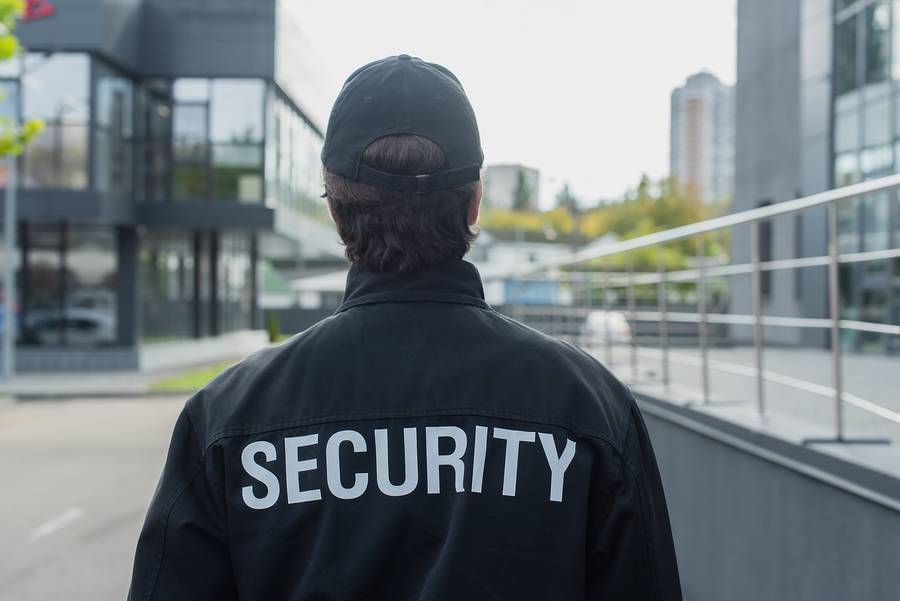
Security guards London are vital for maintaining a safe atmosphere. Their presence can deter threats and offer immediate help during emergencies. A friendly, professional security team can improve the customer experience while ensuring that everyone follows the rules. Their training in conflict resolution and emergency management is helpful, providing reassurance to employees and visitors. Partnering with your security team can improve communication and incident response.
Security guards also show your company’s commitment to safety. Their daily interactions with staff help build a positive security culture. Whether they monitor the premises or assist with visitor check-ins, trained security personnel represent the values of protection and readiness. Investing in a reliable security team leads to a secure and supportive work environment.
Intruder Alarms
A complete security strategy must include alarm systems. Intruder alarms serve as a key defence against unauthorized access. A good alarm system deters would-be intruders, signalling that your premises are secure with advanced monitoring.
Intruder alarms often have features like motion sensors, door/window sensors, and cameras that notify you of any breaches. Many alarms can be monitored in real-time, allowing for quick actions if needed. This responsiveness protects physical assets and ensures employee safety, creating a more secure workplace.
Integrating alarms into your security plan gives peace of mind. When employees know there are strong alarm systems in place, they feel safer and more comfortable. Understanding how to activate or deactivate the alarm empowers staff to take part in maintaining security. Regular drills on using the alarm help everyone know their role in promoting a secure environment.
Digital Security
In today’s digital age, protecting online assets is just as important as securing physical spaces. Make securing sensitive data a top priority. Use firewalls, antivirus software, and encrypted networks to protect data from unauthorized access and cyber threats.
Hold regular training sessions on phishing and safe online practices to educate employees and reduce risks. By raising awareness about digital security, you create a vigilant team that understands how to protect company information. Keeping software updated ensures your systems benefit from the latest security upgrades, strengthening your defences against cybercriminals.
Having a dedicated IT professional to manage digital security helps streamline these efforts. They can monitor vulnerabilities and respond to incidents quickly. Investing in digital security is as important as physical security measures, and together they create a complete approach to keeping your company safe.
Emergency Preparedness
Being ready for emergencies is essential for any new company. Creating an emergency response plan helps everyone know what to do during different situations, like natural disasters, medical emergencies, or security issues.
Regular drills help employees feel confident and prepared to act quickly. Working with local police and emergency services can improve your plans by providing real-world advice. Ensuring everyone understands the safety procedures reduces confusion and increases safety during emergencies.
Clearly communicating your safety rules to all employees helps create a culture of security in the organization. When emergencies occur, having well-informed staff can make a big difference. By focusing on preparedness, you create an environment where everyone feels valued and safe.
Cybersecurity Policies
In addition to physical and general digital security measures, having clear cybersecurity policies is vital for safeguarding your organization’s information. Establishing comprehensive guidelines and protocols helps employees understand the importance of protecting sensitive data and ensures that security practices are consistently followed.
Start by creating a clear cybersecurity policy document that outlines acceptable use of company resources, data protection protocols, and reporting procedures for suspected breaches. Ensure that all employees have access to this document and understand its implications. Regular training sessions should be held to keep everyone updated on evolving threats and the best practices to counteract them.