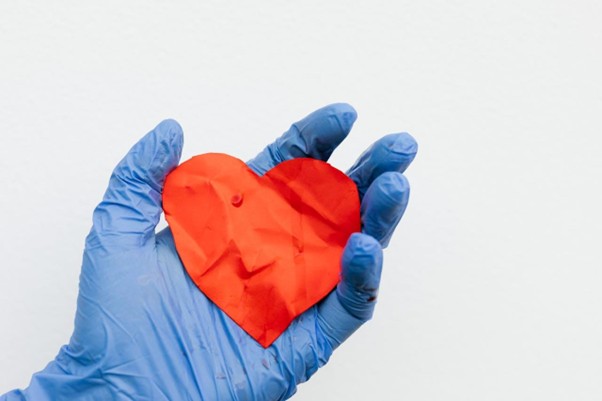
Have you ever noticed how health advice online often contradicts what your doctor says? In today’s flood of TikTok tips and Reddit theories, real wellness information gets lost – especially in places like North Carolina, where urban and rural communities face different health challenges. Healthcare isn’t just about treatment anymore; it’s about teaching people how to stay well. That means equipping professionals with the tools to spread real, science-backed knowledge where it counts.
In this blog, we will share how wellness education is evolving, why it matters now more than ever and how smart institutions are preparing professionals to bring credible, actionable health knowledge into every corner of society.
The Wellness Revolution Is Academic Now
It’s not just wellness influencers who are driving conversations around health anymore. Educators and healthcare leaders are stepping up, redefining how wellness is taught and to whom. Today, wellness isn’t a yoga class at lunch or a “drink more water” poster in the breakroom. It’s a structured approach to health, integrating physical, emotional, environmental and even financial factors.
This expanded definition has turned community health education into a high-stakes field. Chronic illness is on the rise. Misinformation clearly spreads faster than viruses. And burnout? It’s no longer just a workplace issue; it’s a public health concern. Teaching people how to recognize and respond to these challenges requires a lot more than a well-meaning flyer. It demands trained professionals who understand the science behind wellness and can communicate it clearly, especially to populations who may be underrepresented or underserved.
Cue the rise of online programs. More specifically, the best online colleges in NC are responding to this shift by offering health education pathways that are practical, flexible and tailored for real-world impact.
One standout example is the University of North Carolina Wilmington. Its programs in healthcare and community wellness are designed for working adults who want to deepen their skills without putting their lives on pause. These aren’t watered-down alternatives to classroom learning. They’re rigorous, accredited and built for professionals who plan to lead. Their healthcare administration program, for example, prepares working professionals for healthcare leadership roles by combining ethical decision-making, data-driven management and real-world healthcare strategy in a flexible, fully online format.
This shift from trendy advice to evidence-based education is laying the groundwork for a healthier, better-informed society.
Real Health Learning Starts with Listening
What separates great wellness educators from the rest? It isn’t just textbook knowledge. It’s the ability to understand a community’s culture, fears, habits and hopes. You can’t teach people how to live healthier if you haven’t listened to what their lives actually look like.
Take food insecurity. A lecture on balanced meals means little if someone can’t afford groceries. The same goes for mental health. Telling people to reduce stress without addressing housing instability or caregiving burdens won’t land. This is why modern wellness programs train students to think like detectives and advocates, not just clinicians. They learn to ask the right questions. And recognize barriers and design education that fits the reality of the people they’re trying to help.
The “community” in community health is not a placeholder word. It’s the whole point. Students in today’s programs are trained to tailor education for schools, local clinics, retirement centers and nonprofit organizations. In doing so, they become bridges – connecting credible health information with people who need it most.
Where Curriculum Meets Crisis
If you want a case study in why this matters, look no further than the COVID-19 pandemic. Overnight, the need for public health communication exploded. Suddenly, community leaders were being asked to explain transmission rates, vaccine data and safety protocols. Many weren’t trained for it. And the gaps showed.
The takeaway? Waiting until a crisis hits is too late. Wellness education must be proactive, not reactive. Curricula today are integrating everything from health policy to data interpretation, giving students the tools to navigate future emergencies and to prevent them where possible.
They’re also learning how to tackle misinformation head-on. Social media is a health battlefield. A trained educator can spot dangerous trends, correct myths in plain language and rebuild trust in science. This isn’t flashy work but it’s incredibly powerful. Because a well-timed correction, shared at a community event or posted in a local Facebook group, might just change someone’s behavior or save a life.
The Future Is Preventive, Not Prescriptive
Healthcare is shifting toward prevention but that shift only works when people understand what preventive care really means – from spotting symptoms early to knowing how to access affordable care. Wellness education plays a vital role by preparing people to act before illness strikes and training advocates who spark small but powerful changes in their communities.
The real challenge is scale and online programs are stepping in to make this training more accessible. So next time someone calls wellness a trend, remember: it’s not. It’s a growing movement. And it’s reshaping how we live and stay healthy.