
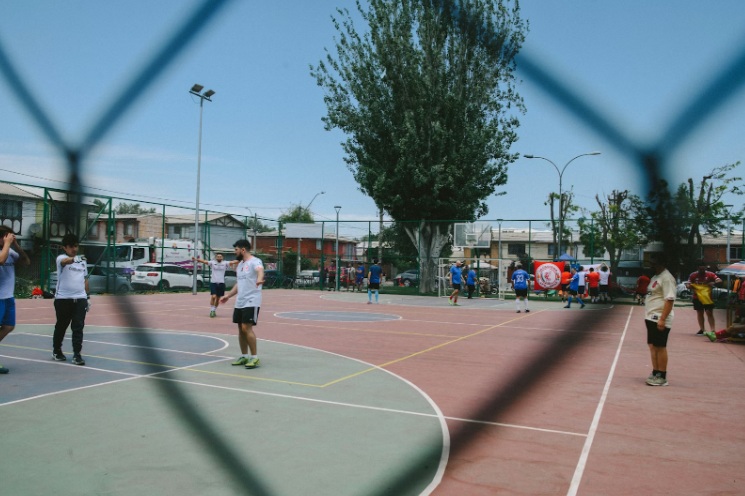
Local sport in 2026 is not “small” just because the venue is modest. The energy is big, the pride is loud, and the storytelling travels far beyond the touchline. A community match can start as a simple fixture and end as a week-long debate in group chats: who was offside, who deserved player of the match, who’s ready for the next level. That conversation is part of the sport now, not a side effect.
The modern matchday is built from little moments: a late goal that gets replayed ten times, a coach’s reaction clip, a friend posting the final score before the livestream catches up, and a flood of “I told you” messages from people who predicted it. Local sports thrive because they are social, affordable, and close to real life. In 2026, digital tools don’t replace that closeness – they spread it.
Pride, routine, and the local scoreboard
Community sports fit daily rhythm. People know the players, recognize the coaches, and remember last season’s drama without needing a documentary. Even when teams are amateur, the loyalty is professional.
Common rituals keep showing up:
- Pre-game debates: form, injuries, and “who is actually training?”
- Half-time updates: quick stats, quick jokes, quick snacks.
- Post-game analysis: clips, comments, and plenty of respectful teasing.
Local sport feels personal, so every result matters more than outsiders expect.
Digital matchdays: from dusty pitches to clean highlights
Phones changed everything. A match no longer disappears after the final whistle; it becomes content. One short clip can turn a local winger into a weekly topic. One clean free kick can travel through chats faster than official news.
Digital sharing also changes what people value:
- Consistency gets noticed: regular performances beat one lucky day.
- Discipline becomes visible: cards and fouls get replayed and judged.
- Fitness stands out: late runs look different when the camera is rolling.
This is good pressure. It pushes teams to improve because everyone is watching, even when the crowd is small.
The community economy around sport
Local sport feeds local business in quiet ways: food vendors, transport, small merch, media pages, barbers who suddenly become “analysts.” A team doing well can lift the mood of a neighborhood, and a rivalry match can turn an ordinary weekend into an event.
Even sponsorship feels different now. It’s not only about big banners; it’s about visibility in clips and mentions. A brand that supports local sport earns trust because it shows up where people already care.
Community Sport: The Prediction Game
Anticipation is the fuel
Before a big community game, the prediction talk starts early, and the phrase online betting Kenya often appears in conversations where friends compare odds to their own “street logic” about who’s in form. That connection makes sense because local sports fans already think in probabilities: who starts fast, who fades late, who panics under pressure, who keeps their head. Betting markets turn that intuition into numbers, and the fun comes from testing opinions against real outcomes. People who stay sharp don’t just chase favorites; they look for patterns like late goals, strong first halves, or set-piece dominance that can be more reliable than reputations.
Quick access keeps the thrill in the moment
When matches are tight, the excitement is not only the final score; it’s the swings inside the game – momentum shifts, substitutions, that one defender who suddenly can’t handle pace. During live moments, many fans keep https: //melbet-kenya.net/ ready for fast navigation between markets, because nobody wants to miss a price move while the group chat is screaming “corner coming.” The practical advantage is speed: live odds refresh, simple layouts, and a flow that matches how people actually watch games in 2026. The best part is social; wins and losses become stories that get repeated all week, and even small stakes can add extra spice to a community rivalry.
Rising storylines: women’s teams, youth systems, and smarter coaching
Community sports are evolving. More girls’ teams are getting attention, youth development is becoming less random, and coaching is more tactical than it used to be. That doesn’t require fancy facilities. It requires consistency, structure, and people who care.
A few shifts stand out in 2026:
- Fitness basics are stronger: warmups, recovery, hydration routines.
- Set pieces matter more: teams practice corners and free kicks seriously.
- Video review is normal: even a phone clip can teach positioning.
That progress makes local leagues more competitive, which makes the whole ecosystem more entertaining.
Keeping it fun without losing the plot
Local sports work best when the vibe stays respectful. Banter is part of the culture, but community means seeing each other again tomorrow. The healthiest matchday culture is competitive on the pitch and friendly after.