
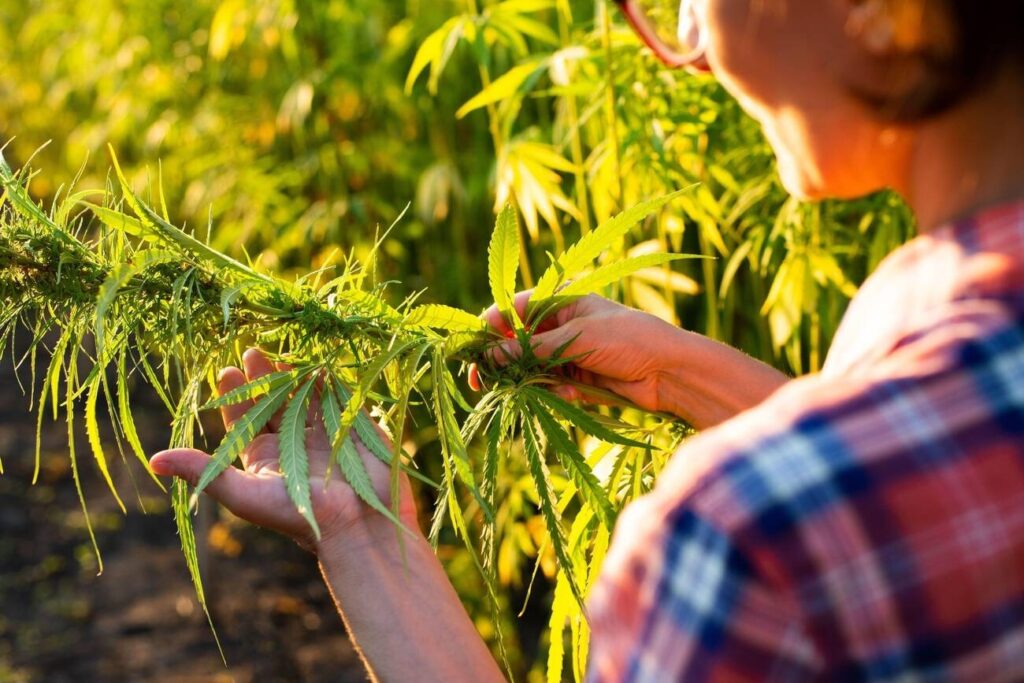
If you drive through parts of rural North Carolina in late summer, you might notice patches of hemp growing beside soybeans and corn.
Hemp has gradually made its way into the state’s farming practices after the Farm Bill of 2018 federally legalized it. It came into the picture quietly, through permits, trial plots, and a lot of cautious decision-making.
Learning to Work Within the Rules
Anyone who has tried growing or selling hemp in North Carolina knows that paperwork is part of the job. Licenses, lab reports, and inspections are a part of the industry to ensure consumer safety. Clear rules make conversations easier with buyers and store owners.
When Experience Starts to Matter
In the early days, many people entered the hemp business, thinking the demand would grow quickly. However, a few seasons of uneven prices and unpredictable buyers changed how people approached the market.
North Carolina is home to some of the biggest hemp companies in the country, including Crescent Canna, which crafts the nation’s No. 1-selling THC drink.
The state has a stable hemp industry, which has made it an attractive place for hemp companies to base their operations.
Farming Is Still a Learning Process
Hemp does not grow like many other crops, and some farmers learned that through experience. Planting times, pest problems, and harvesting methods often changed after bad seasons. The weather also made planning uncertain.
Many growers now use soil tests and keep basic field records. This helps in day-to-day work, but it does not remove risk. Some crops still perform poorly. Delays at processing facilities, machine problems, or sudden drops in demand can wipe out months of effort.
North Carolina today has one of the best environments to cultivate hemp. The state has a long growing season, an experienced farming community, and solid agricultural infrastructure, which make it suitable for hemp production.
How Buyers Have Changed
Customers are different now than they were five years ago. Early buyers were often curious and willing to experiment, but today’s consumers are more careful and scrutinize options before making a decision. Hemp-derived consumable products are more popular than ever, and today’s aware and engaged customers want to try them out.
The market has seen a shift instead of declining interest. New customers are entering the market with higher standards and better product knowledge. They regularly talk with store employees about dosage, sourcing, and effects. These are not quick conversations. Sometimes they take longer than the sale itself, but they reduce complaints and returns later. In the long run, this matters, as it is a more thoughtful buying process.
Choosing Between Formats
People now have clearer preferences. THC gummies, chocolates, and drinks have become some of the most popular products on the market, replacing smokable marijuana and even alcohol in many people’s lives.
THC-infused beverages fit more naturally into social situations. Effects hit in about 15 minutes, making it easy to gauge how they are impacting you. Some people switch between formats depending on mood, setting, or schedule.
What It Means for Local Communities
Beyond individual businesses, hemp has created steady work in certain areas. Processing sites, delivery services, and retail shops employ people who might otherwise have limited options close to home.
For farming families, income from hemp can help cover losses in other crops. This local impact has also started to attract attention from investors who are watching how cannabis-related businesses and stocks are performing in broader markets.
Moving Forward Without Rushing It
The hemp industry in North Carolina is booming. Increased consumer awareness, expanded distribution, and constant product evolution have all contributed to this significant growth. Products such as hemp-derived beverages, gummies, and other consumables are now reaching a broader audience. In fact, people who previously did not have exposure to cannabis products are also trying out various consumables.
North Carolina is on the path of sustained expansion. The state is developing and strengthening its regulatory framework, which has resulted in more businesses investing and expanding their operations. Thus, the state’s hemp market is evolving and actively growing.