
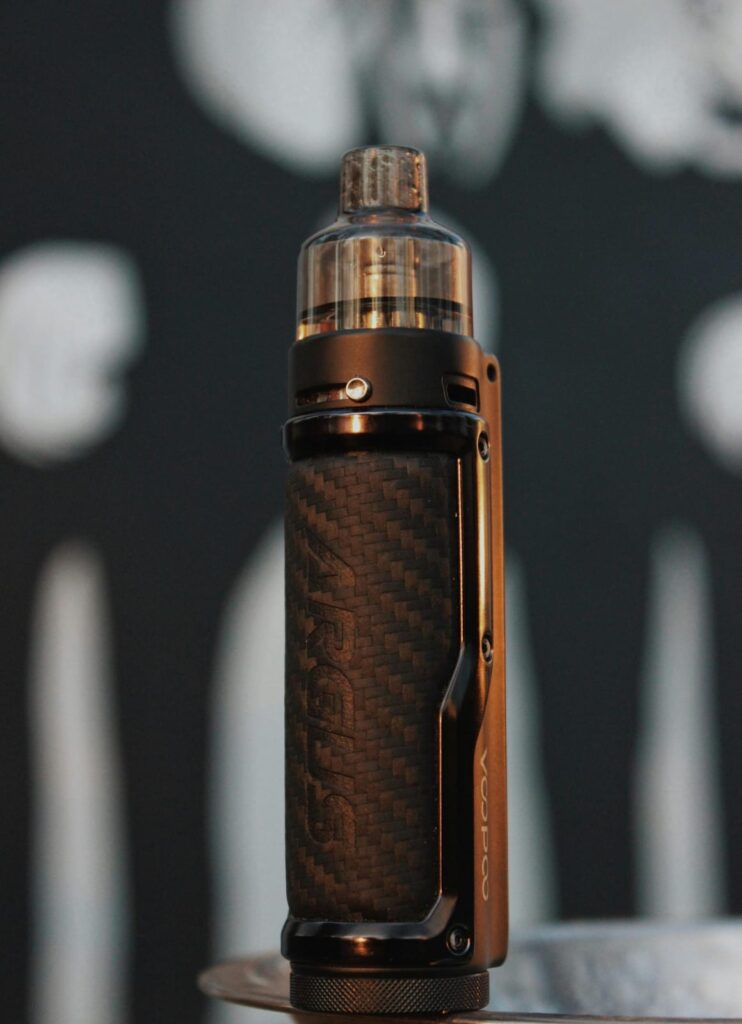
Across many cities, everyday social life has been quietly shifting in recent years. Cafés, music venues, outdoor terraces and late-night gathering spots have become places where a small electronic device is now a common sight. Vaping, once seen as a niche alternative for those trying to move away from traditional cigarettes, has increasingly become part of the wider urban lifestyle conversation. Its presence reflects changing consumer habits, evolving technology and the broader cultural shifts shaping modern city living.
In urban environments where lifestyle trends move quickly, vaping has found space within a variety of social settings. From students meeting after lectures to professionals unwinding after work, the practice has become visible in places where people socialise, connect and relax. Many city dwellers say the appeal lies partly in convenience and partly in the variety offered by modern vape products. While debates around health and regulation continue, the role of vaping in everyday social routines has undeniably grown.
Businesses operating within this expanding landscape are also adapting to the changing demand. Retailers specialising in vaping products have appeared on high streets and in online marketplaces, reflecting the rising interest among adult consumers. Platforms such as 88 Vape have become familiar names for many people looking to explore the range of available devices and flavours. Their presence highlights how the industry has evolved from a small alternative market into a visible segment of the wider consumer economy.
Changing Habits in Modern Cities
Urban life often shapes how trends spread. Dense populations, active nightlife and a strong culture of social interaction mean new habits can become normalised quickly. Vaping fits naturally into these environments, particularly among adults who previously smoked and are looking for alternatives.
Public health bodies have repeatedly stressed that vaping is not risk-free. However, several health organisations in the UK have also acknowledged that vaping products are generally considered less harmful than traditional combustible tobacco when used by adult smokers attempting to quit. This messaging has contributed to a gradual shift in public perception, particularly in cities where smoking bans in indoor spaces have already reshaped how people consume nicotine.
Technology and Design Shaping Appeal
Another reason vaping has become noticeable in urban social settings lies in the rapid evolution of the devices themselves. Early e-cigarettes were often simple and designed purely as cigarette substitutes. Modern devices, however, are more varied in design, performance and user experience.
Manufacturers have introduced sleek, portable products aimed at convenience. Rechargeable batteries, refillable pods and disposable devices have all played roles in making vaping easier to adopt for adults who want a straightforward alternative to cigarettes. For many users, the ability to choose from a wide range of flavours and nicotine strengths has also contributed to the practice becoming integrated into daily routines.
In cities where style and personal expression often influence consumer behaviour, device aesthetics can also matter. Compact designs and modern finishes have turned some vape devices into lifestyle accessories rather than purely functional tools. This blend of technology and personal choice has helped shape how vaping appears in public social spaces.
Social Spaces and Cultural Shifts
Urban culture is built around shared experiences. Music venues, rooftop bars, festivals and public parks all serve as meeting points for diverse communities. As vaping has grown more common, these environments have naturally become places where the trend is visible.
Observers of nightlife culture note that vaping often accompanies conversations, social gatherings and informal meet-ups. Unlike traditional cigarettes, which require lighting and produce lingering smoke, vape devices typically create vapour that dissipates quickly. Some users say this contributes to the perception that vaping fits more comfortably into social settings.
Regulation and Public Health Debate
The growth of vaping in urban environments has not occurred without scrutiny. Governments, regulators and public health organisations continue to monitor the industry closely, particularly regarding youth access and advertising practices.
At the same time, policymakers face the challenge of balancing public health concerns with the potential role vaping may play in reducing smoking rates among adults. Smoking remains one of the leading causes of preventable illness in many countries, and some health experts view regulated vaping products as part of harm-reduction strategies.
Cities often sit at the centre of this discussion because they tend to have higher population densities and more visible nightlife economies. Local councils, health agencies and businesses all contribute to shaping how vaping is managed in shared spaces.
Retail Growth Reflects Consumer Interest
The expansion of vape shops across high streets is another indicator of how the trend has moved into mainstream urban life. Dedicated retailers now operate alongside convenience stores and supermarkets that also stock vaping products.
Industry analysts point out that the retail environment has evolved significantly over the past decade. Initially dominated by small independent outlets, the market now includes larger chains and well-established online platforms. This growth has made vaping products more accessible to adult consumers, particularly in cities where retail competition is strong.
Online retail has also played a role in shaping consumer behaviour. Many users prefer browsing products digitally, comparing device features and exploring new flavour options before making a purchase. The digital marketplace has therefore become a key part of how the vaping industry connects with its audience.
Generational Perspectives on Vaping
Attitudes towards vaping often differ across age groups. Younger adults who grew up in the era of smoking restrictions may view vaping primarily as a modern lifestyle trend. Older smokers, by contrast, may see it more as a transitional tool to reduce or quit cigarette use.
Urban environments bring these perspectives together. University districts, office centres and entertainment areas attract diverse populations whose experiences with nicotine consumption vary widely. As a result, vaping occupies different roles in different social circles.
For some, it is simply a recreational habit shared among friends. For others, it represents a deliberate shift away from traditional smoking. The coexistence of these viewpoints illustrates how vaping has become embedded within broader urban culture rather than belonging to a single demographic.