
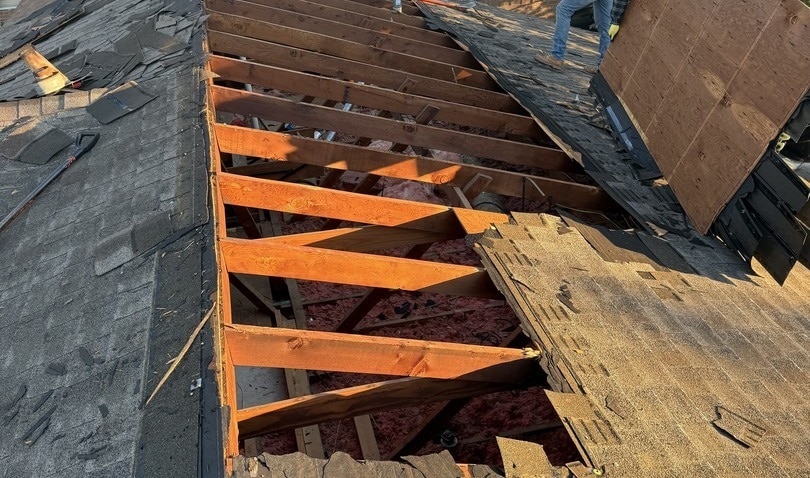
The Seven-Day Timeline of How Roof Damage Spreads Through Your Entire House
Families dismiss small leaks after severe storms pass. Water stains appear manageable. Ceiling discoloration seems cosmetic. Seven days later, the extent of damage multiplies tenfold as problems cascade from roof system failures through every level of the home.
Dane Roofing provides top-rated storm damage roofing services that property owners need when minor damage transforms into bigger problems requiring extensive restoration. Kelly Dane founded the company in 2003 after watching families delay necessary repairs until water intrusion destroyed far more than roofs. Understanding the progression timeline motivates action before damage reaches catastrophic levels.
Day One: Surface Damage Appears Minor
Wind-lifted shingles after high winds seem like isolated problems. Missing shingles create obvious gaps. Cracked shingles from hail impacts look repairable. Homeowners schedule inspections for “next week” while assessing other storm damage restoration needs around the property.
Debris from severe weather covers roofs and gutters. Clogged gutters prevent proper drainage. Heavy rainfall the day after storms pools against compromised areas. Water finds entry points through lifted edges and impact cracks. Inclement weather continues before families realize leaks started.
Emergency tarping prevents immediate water intrusion, but homeowners wait for insurance providers to schedule adjusters. Delays begin accumulating. Peace of mind from temporary protection masks developing problems underneath tarps.
Days Two Through Three: Hidden Water Migration Begins
Water damage spreads invisibly through attic spaces. Insulation absorbs moisture like sponges. Wood framing swells from exposure. Electrical wiring sits in dampness. Ventilation systems can’t dry saturated materials fast enough during humid weather.
Granule loss from damaged shingles accelerates as more heavy rain washes away protective coatings. Bare spots on roofing materials expand. UV exposure begins degrading exposed underlayment. Wind damage worsens as weakened shingles lose adhesion completely.
Homeowners see no interior signs yet. Ceilings appear normal. Walls show no stains. Confidence builds that storm restoration contractors aren’t urgently needed. Assumptions about damage severity prove catastrophically wrong within days.
Days Four Through Five: Interior Symptoms Emerge
Water stains blossom across ceilings in rooms distant from the roof entry points. Leaks traveled along rafters and joists before finding paths downward. Families discover damage far from where wind-lifted shingles or hail storm impacts occurred.
Drywall absorbs moisture and weakens. Paint bubbles appear. Textures soften noticeably. Electrical fixtures begin dripping during rain. Insulation reaches the saturation point and loses all thermal effectiveness. Energy efficiency plummets as HVAC systems work harder against wet barriers.
Mold growth starts in damp attic spaces where temperature and moisture create ideal conditions. Spores spread through ventilation systems. Musty odors alert families to problems they can’t see. Structural integrity concerns emerge as wood framing shows rot beginning.
Days Six Through Seven: Cascading Failures Accelerate
Ceiling drywall sags from water weight. Cracks spread across surfaces. Paint peels in sheets. Water pools on subflooring above living spaces. Dripping intensifies during any precipitation. Emergency roof repairs become urgent when families realize the extent of internal destruction.
Siding damage appears as interior moisture pushes outward through wall cavities. Exterior paint bubbles. Trim boards warp. Window frames leak. Problems spread three-dimensionally through the building envelope. Storm damage roofing issues morph into whole-house restoration projects.
Insurance claims filed a week late face scrutiny about the timeline documentation. Was the ceiling damage from the storm or from the delayed response? Did mold develop because of the weather or because homeowners ignored initial leaks? Claim approvals get complicated when damage spread occurs before professional assessment.
What Immediate Response Actually Prevents
Free inspection within 24 hours of severe weather documents all damage before progression begins. Photos establish baseline conditions. Measurements quantify initial problems. Insurance providers receive evidence supporting claims before secondary damage complicates causation questions.
Emergency tarping combined with immediate minor repairs stops water intrusion completely. Temporary protection works when accompanied by fixing the underlying roof damage. Tarps alone just delay inevitable interior destruction if actual damage or roofing problems go unaddressed.
Storm damage roof repair scheduled immediately prevents costly repairs later. Replacing missing shingles costs hundreds. Fixing water-damaged ceilings, walls, insulation, framing, and electrical systems costs tens of thousands. Time literally equals money when storm restoration needs assessment.
Material Choices That Resist Future Storm Damage
Metal roofing deflects impacts and sheds debris better than asphalt alternatives. Premium materials include enhanced wind ratings and impact resistance. Full roof replacement after significant damage creates opportunities to upgrade protection against the next severe storms.
Roofing materials designed for Dallas weather withstand temperature extremes and repeated hail events. Quality craftsmanship during installation determines how well products perform under stress. Durable materials installed improperly fail just as fast as cheap products installed correctly.
New roof systems with proper ventilation, upgraded underlayment, and sealed penetrations resist water intrusion from multiple angles. Energy efficiency improvements through reflective coatings reduce cooling costs while protecting against storm damage restoration expenses.
Why Speed Matters More Than Perfection
Homeowners wanting three contractor estimates before deciding lose a week to scheduling. Comparison shopping makes sense for planned projects. After severe weather destroys protection, speed prevents further damage from inevitable follow-up storms.
Storm restoration contractors who respond same-day protect property immediately. Permanent repairs get scheduled after assessments are complete. Fully licensed teams handle emergency response through final inspection. Roofing needs get addressed in stages when safety and weather require it.
Schedule delays allow minor damage to multiply. Cracked shingles become missing sections. Small leaks become ceiling replacements. Attic moisture becomes mold remediation. Each day of delay compounds repair complexity and cost exponentially.
The Real Cost of “Waiting Until…”
Families waiting for better weather before calling contractors watch damage spread during every rain. Property owners waiting for insurance approval before protecting their homes pay out-of-pocket for secondary damage not covered by storm policies. Homeowners waiting for lower estimates watch initial repair costs double as problems cascade.
Roofing company selection matters less than response timing after severe weather. Decent contractors are called immediately, while excellent contractors are called a week late. Damage progression doesn’t pause for scheduling preferences or budget negotiations.
Dane Roofing responds to storm damage emergencies within hours, regardless of weekend or holiday timing. Protecting property takes priority over convenient scheduling. Assessment, temporary protection, and permanent repair planning happen rapidly to prevent the seven-day cascade from destroying more than roofs.
Property owners needing help after storms can contact top-rated storm damage roofing services at (469) 585-3263 for immediate response that stops minor roof problems from becoming whole-house restoration disasters.
Frequently Asked Questions
How does hail damage progress if homeowners delay calling a roofing contractor?
Initial hail impacts crack shingle seals, allowing water intrusion that spreads through attics, insulation, and framing within days.
When does minor storm damage repair become a full replacement necessity?
Delayed response allows water damage to compromise decking, framing, and interior structures, turning repairable roof issues into whole-house restoration.
What storm damage restoration services prevent cascading failures after strong winds hit?
Emergency tarping, immediate leak repairs, moisture remediation, and structural assessments stop initial roof damage from spreading to ceilings and walls.