
The modern digital space is oversaturated with information. Every day, users encounter dozens of websites and apps that look like twins. The era of sterile minimalism, which dominated the last decade, is gradually fading. Clean lines, white backgrounds, and standard sans-serif fonts are no longer seen as hallmarks of quality. Today, they are perceived as lacking individuality. In the battle for audience attention, emotional design comes to the forefront. People no longer want to interact with faceless code – they want engagement, character, and a story. This is why “personified” brands that use mascots, storytelling, and lively metaphors inspire far more trust and achieve higher conversion rates.
The Return of Mascots and Characters
Using a fictional character is one of the oldest and most effective marketing techniques, and it has found a second life in UI/UX design. A mascot is no longer just an image on a logo. It becomes a guide through the interface, a helper, and a conversational partner. Characters humanize the brand, giving it a voice and personality. This reduces stress when interacting with complex systems and creates a sense of friendly support.
Look at how successful projects in entertainment niches work. A vivid example of smart character integration in design is Fat Pirate Casino, where the entire visual concept revolves around a charismatic hero and nautical romance. Instead of a standard, boring lobby, the visitor boards a ship and is greeted by the captain. This instantly sets the project apart from competitors. Users remember not the name or color scheme, but the emotion and the specific character. This approach transforms an abstract system into an old friend they want to return to.
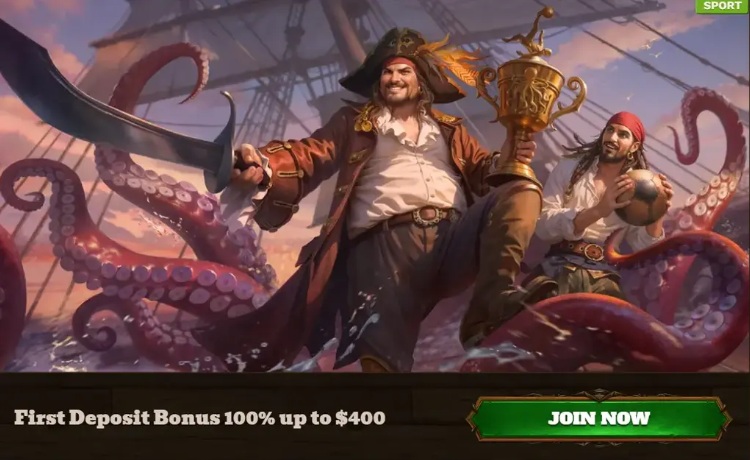
Implement characters to achieve specific goals:
- Teach newcomers how to use features through interactive tips delivered by the character;
- Soften negative experiences from errors or technical issues with humorous mascot reactions;
- Celebrate achievements and new levels to boost emotional engagement.
Gamification as a Retention Tool
Trust is built not only through visual identity but also through predictability and clarity of rules. Gamifying an interface turns routine actions into engaging experiences. When profile completion, verification, or account setup is presented as a quest with rewards, user resistance disappears. A “personified” brand plays with the visitor rather than making them work.
Game elements awaken natural curiosity and excitement. Progress bars, badges, virtual currency, and levels create a context that encourages longer engagement. Design ceases to be a static decoration and becomes an interactive environment. It’s important that gamification feels native – it should not distract from the primary goal, whether it’s purchasing a product or ordering a service.
Use game mechanics to boost loyalty:
- Visualize the customer journey with an achievement map or progress tracker;
- Implement random rewards for completing simple actions on the site;
- Create competitive leaderboards for the most active community members.
Microanimations and Live System Feedback
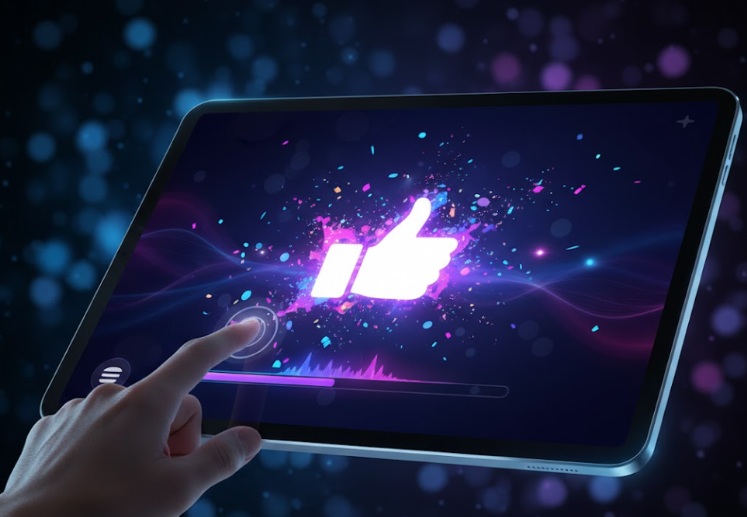
A static interface feels lifeless. In the real world, every action provokes a response: buttons press with force, paper rustles, water ripples. A digital product must mimic these physical laws to generate subconscious trust. Microanimations are the secret ingredient that makes interaction feel tactile and satisfying.
When a button changes color or shape on hover, a loading bar fills smoothly, or a “like” icon bursts into fireworks – the brain receives the signal: “The system hears me and responds.” This creates a sense of control and comfort. Lack of response, on the other hand, generates anxiety and doubt in functionality. Personified design breathes, moves, and transforms with the cursor or touch.
Apply animations selectively at key touchpoints:
- Animate menu icons on hover to improve navigation;
- Make page transitions smooth to preserve context;
- Highlight important notifications with pulsing or motion.
Storytelling Within the Interface
The final, yet crucial, trend is transforming the user journey into a coherent story. Websites used to resemble a collection of disconnected pages. Today, quality UX is designed like a film or book script. The script has a beginning (landing page), development (catalog, selection), climax (purchase, registration), and resolution (thank you, retention).
A brand with a “soul” always tells a story. Interface text (UX copywriting) plays a decisive role. Forget dry bureaucratic phrases like “This field is required.” A personified interface speaks the user’s language, jokes, shows empathy, and care. Tone of voice should match the visual style and mascot’s personality, if one exists.
Storytelling helps users identify with the brand. When design communicates specific values and atmosphere, it attracts people with similar mindsets. In a world of faceless corporations, authenticity and originality are the main currency. Don’t be afraid to be funny, quirky, or bold. Fear of being boring – that is the only sin modern users won’t forgive. Create worlds people want to live in and interfaces they want to befriend.