
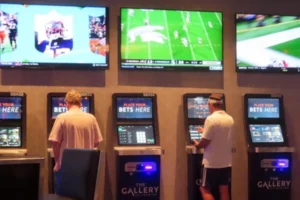
The U.S. sports betting environment has been rapidly evolving since 2026. Over thirty-nine states are currently authorized for legal wagering; however, an additional several states have plans to allow wagering. As such, the sports wagering industry is experiencing record revenue figures as it draws in new gaming companies while simultaneously encountering novel regulatory oversight. Here is a summary of every development within the sports wagering world regarding legislation in each state, regulatory crackdowns and shifts in the current marketplace.
The Big Picture: US Sports Betting in 2026
As of six years since the United States Supreme Court (U.S. S.Ct.) issued its decision in Murphy v. N.C.A.A., Inc. which ended the federal government’s exclusive control over sports gambling, the U.S. has become one of the most highly competitive gambling systems anywhere in the world. In 2025, total lawful sports wagering handle reached $150 billion; it appears likely that this figure will be broken in 2026 as well due to increased use of mobile wagering products, intense promotional competition among the wagering companies and an increasing number of consumers who are familiar with the sports wagering product.
At present, the largest operators in the majority of jurisdictions include DraftKings, FanDuel, BetMGM, Caesars Sportsbook, ESPN Bet, and Fanatics Betting & Gaming. However, there are several regional operators and recent entry level competitors, which are beginning to carve-out their own niches in specific geographic areas. The trend toward consolidation which was evident during 2024-25 continues to develop, with some of the smaller wagering operators partnering with existing larger brands or withdrawing from specific jurisdictions altogether.
Northeast: New York Holds Firm, New England Eyes Expansion

Despite being the single biggest sports betting market in the U.S. by handle, New York‘s extremely high tax rate of 51% continues to anger bettors and promote debate about the issue at the State Capitol. Several sports books testified at hearings in early 2026 that they cannot provide their customers competitive odds or create new promotional offers due to what they perceive as an excessive tax burden. A bill to lower the tax rate to 35% received bipartisan backing; however, there are several “budget hawk” members of both parties who oppose lowering the tax rate because the state will lose out on over $300 million annually in gaming revenue. It is likely no vote will occur until after Summer 2026.
Massachusetts was able to post its highest total amount of money wagered (handle) since the introduction of mobile wagering in January 2023. The total handle during Q1 2026 exceeded $1.4 billion. The Massachusetts Gaming Commission continues to be considered one of the best examples in the United States of how to enforce laws regarding responsible gaming. In 2025, the commission fined two large sports book operators for violating the commission’s very restrictive rules related to promotional activities.
Mobile wagering has yet to be approved for Maine. Retail sports betting was permitted in Maine at the end of 2023. A mobile sports wagering bill has already passed through committee in March 2026 and is expected to pass the entire legislature by May 2026. If successful, this would allow one of the few remaining holdout states in the Northeast to enter the digital sports wagering arena.
Mid-Atlantic and Southeast: Progress in the South, Standoffs in the Capital
Washington D.C.
The city of Washington D.C. has become a warning example. In January 2025 the city closed its ill-fated GambetDC sports wagering system. For several months GambetDC had been called out as having low payouts and limited products. Now, the City is trying to relaunch a competitive multi-operator model; however, talks between the City Council and interested parties on licensing agreements have stalled because of disputes on how much of the revenue would go back to the city.
Georgia
Legislative action is brewing in Georgia. After multiple attempts were made prior, a sports betting measure moved through the Georgia Senate in mid-February 2026 by a significant margin. Now the bill is in the Georgia House where its future is uncertain. There appears to be enough opposition from some conservative House members and conflicting interests from the State Lottery Commission to likely pass the legislation before the end of this year’s session. At best, industry insiders estimate there is about a fifty percent chance the bill will get passed during this year’s session.
Florida
Floridian residents remain confused when it comes to sports wagering law. Mobile wagering via Hard Rock Bet, operated by the Seminole Tribe under a contentious gaming compact, can still continue. However, all other commercial sports wagering operators are prohibited from operating in Florida. Although a Federal Appeals Court ruled in late 2025 that the Compact was valid; it seems possible additional appeal(s) may occur. As such, Floridians can currently wager using their mobile devices via Hard Rock Bet while none of their fellow citizens can use mobile sports wagering services provided by any other operator.
Midwest: Illinois Tax Hike Fallout, Ohio Matures
Illinois: The state’s decision to implement a progressive tax rate structure (up to 40%) on large operators after 2024 appears to be having an immediate effect. In response to the increase in taxes, DraftKings and FanDuel have significantly reduced their marketing activities in the state. Additionally, handle growth in Illinois is down from where it was in comparison to other peer jurisdictions. The State Legislature is reviewing the tax legislation; however, Governor Pritzker has maintained that he believes the current tax rates represent a fair assessment of the profits made by these companies.
Ohio: Ohio Casino Control Commission has taken proactive steps toward developing the state into a Top-5 jurisdiction nationally. As part of those efforts, in early 2026, the agency granted approval for two additional operator licenses in addition to finalizing rules regarding advertising practices which include prohibiting the use of professional athletes under the age of 35 within promotional materials. It is believed the intention behind this rule will help limit the attractiveness of sports gaming to younger bettors.
Michigan: In terms of regulatory efficiency, Michigan is among the best in the nation. During the first quarter of 2026, the Michigan Gaming Control Board approved in-game micro-betting features for three operators. This represents one of the first formal approvals nationwide related to this increasingly popular type of wagering.
South and Southwest: Texas Looms Large
Texas is the state that dominates the speculative discussion about sports betting in 2026. As the U.S.’s largest untapped market, at over 30 million people and no legal betting framework, Texas represents the single largest untapped market for legalized sports betting in the United States. An attempt to authorize constitutional amendments to allow for sports betting has been filed during this year’s legislative session, and it has received more serious consideration than any previous attempts at legalizing sports betting. However, in order to place a constitutional question before voters, Texas requires two-third majority approval from both chambers of legislature. All major franchises in Texas are currently lobbying for legalization of sports betting including The Dallas Cowboys & Houston Texans and have estimated billions in economic activity which currently flows to offshore sites or neighboring states.
What is happeing in Arizona and Nevada?
Arizona had a strong year in 2025 and is entering into 2026 as one of the most operator friendly markets within the country with 20 mobile licensees active in the state. Colorado remains competitive but losing handle share to Arizona and Nevada among Western betters.
Nevada is continuing its evolution as the original American sports betting market. Due to brick-and-mortar heritage Nevada operates differently from most states – there is not a single dominant mobile app and casino first model continues to be central – but, Nevada sports books saw an increase in foot traffic during the 2025-26 NFL season driven by the fact that Las Vegas is home to the Raiders and the expanded global profile of Las Vegas’ sports scene.
West Coast: California Waits, Oregon Expands
California is still the white whale of U.S. sports betting. After two ballot measures failed in 2022 there were no serious legalization efforts to bring about a new ballot measure during either 2024 or 2025. Talk between tribal gaming interest and commercial operators on an early approach for potential legislation for a 2028 ballot measure are already being discussed as early as 2026; maybe finally closing the gap between tribal exclusive access to sports betting and commercial operator access. Unless something changes California will continue to be the fifth largest economy in the world with zero access to legal sports wagering.
Oregon expanded its sports betting product early in 2026 by adding live wagering features and parlay options to the state-run scorestreak platform. This model has limited competition but protects the revenue from any commercial operators who decide to leave Oregon.
What to Watch in the Months Ahead
The second half of 2026 is likely to be filled with several big events that could impact the gaming world. In Georgia, there will be a House vote on the sports wagering bill; in Maine, mobile sports betting will officially go live; and in Texas, the battle over the proposed constitutional amendments to allow sports wagering are heating up. And then there is New York which has been debating whether or not to raise taxes on its current sports wagering operators. At the Federal level, it is anticipated that the minimum standards working group will put out a preliminary framework for states to follow by the end of this Summer.
Overall, at this point in time the main conflict surrounding the American sports wagering market still remains as follows: How can we protect our consumers from the obvious dangers associated with problem gaming while allowing an incredibly successful, generally well-regulated (at least) sports wagering market to flourish?
This article reflects publicly available information as of April 2026. Sports betting laws and regulations change frequently. Always verify current legal status in your state before placing wagers.