
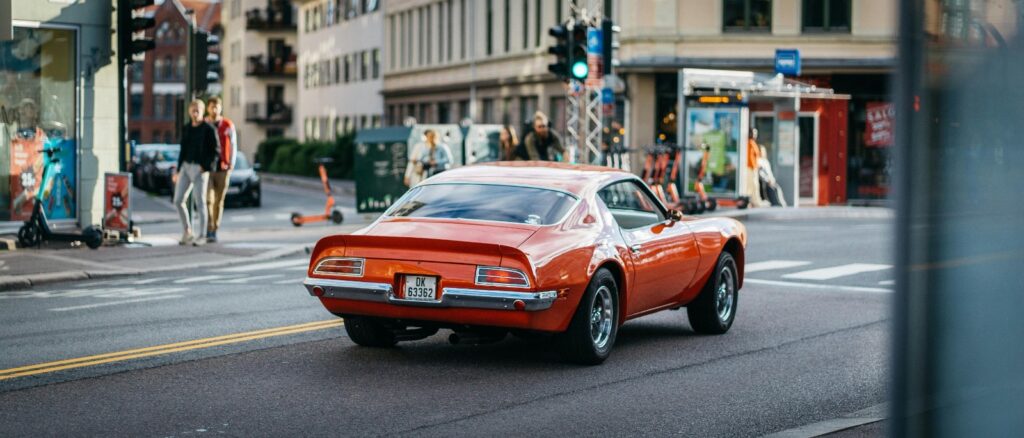
Cars shape the rhythm of daily life across the United States in ways that often go unnoticed. From quiet suburbs to busy city edges, the presence of the automobile defines how people work, shop, and connect. So common is this influence that it can be hard to imagine the country without it. Yet the story of why cars dominate American life reveals much about history, culture, and the way communities were built and continue to change over time.
Roots of a Driving Nation
The rise of the automobile in the early twentieth century coincided with a nation eager to expand outward. Factories made cars affordable, and roads stretched into places trains had never reached. As towns spread and families sought space, driving became a symbol of progress and independence. Over time, this connection between freedom and the car settled deeply into the national imagination and shaped expectations for everyday movement.
Designing a Country Around Roads
After the Second World War, highways reshaped the physical map of the nation. New suburbs rose along wide roads, and daily routines began to depend on long drives. Shops moved away from town centres, workplaces spread outward, and distances quietly grew. In this landscape, the car became less a choice and more a requirement for ordinary life and basic participation in society.
Culture, Identity, and the Open Road
Beyond practicality, cars gained meaning as personal space and public statement. Music, film, and advertising celebrated motion, speed, and the promise of escape. Learning to drive marked a passage into adulthood for generations of young people. In countless stories, the road stood for possibility, risk, and self-discovery, turning travel into a powerful symbol of identity and hope.
Economy Work and Everyday Movement
The structure of work reinforced the power of the car in daily routines. Factories, offices, and warehouses often stood far from where people lived. Commuting by car became the norm, and public transport declined in many regions. As years passed, owning a vehicle felt less like a luxury and more like a basic tool for survival and economic stability.
Challenges of a Car-Centred Society
Dependence on driving has brought comfort, but it has also created serious problems. Traffic, pollution, and isolation affect health, time, and community life. Many cities now struggle to rebuild public transport and to make streets walkable. These efforts show a growing desire to balance mobility with quality of life and social connection.
Why the Pattern Endures
Even with new ideas, the habits built over decades remain powerful; homes, jobs, and services are still spaced for driving, not walking. Change requires time, investment, and patience from both leaders and citizens. For now, the car continues to shape choices, schedules, and the rhythm of daily movement in most regions.
Looking Toward a Different Future
Across the country, conversations about streets, housing, and transport are slowly changing the way people imagine movement and space in their communities. Planners speak of shorter trips, safer crossings, and neighbourhoods where daily needs are closer to home. Some towns invest in trains, buses, and paths that invite walking again. These changes reflect broader shifts in lifestyle, where online activities from shopping to entertainment, such as real money casino nj, allow people to spend more time at home rather than travelling long distances. These changes do not reject the car, but they suggest a future with more choices. Young people often value flexibility and connection, and they question the cost of long commutes.
Technology may support this shift through shared vehicles, smarter routes, and cleaner engines. Yet change will be gradual, shaped by local decisions and by the habits people carry from the past. Communities must weigh convenience against health, speed against safety, and tradition against possibility. Every small redesign of a street or station sends a signal about what kind of life is valued. In this slow evolution, the dominance of the car may soften without disappearing entirely. History shows that habits change when design, policy, and desire move together. People respond to what is easy, safe, and affordable in their daily routines.
When walking feels pleasant, and buses arrive on time, choices slowly widen. Still, the memory of open highways and private freedom remains powerful and continues to shape dreams, stories, and expectations across generations. Any future will likely blend old patterns with new experiments rather than replace them completely. Cities may grow denser, suburbs may adapt, and rural areas may find different paths.
Through all of this, the story of movement will continue to reflect who Americans believe they are. It will be written on roads, rails, sidewalks, and the choices made each morning. Whether by wheel or by foot, the journey will remain central to everyday life. This balance between past and future will decide how freedom is defined in the years ahead. Change will come slowly, guided by patience, planning, and shared hope.
Whatever path unfolds, the question of movement will remain a mirror of national values and daily choices. It will show how a country learns to travel, to change, and to imagine itself again with care in every new generation today that seeks a better way. The future will depend on courage, cooperation, and thoughtful design choices made by leaders and citizens together.
Conclusion
Cars dominate American life because history, design, and culture grew together around motion. The nation built its towns, its dreams, and its routines on the promise of the open road. While the future may bring new ways to move, the legacy of driving still defines the present. It explains not only how people travel, but also how the country learned to live.