
Have you ever experienced a sudden power trip at home or in the workplace and wondered what caused it? Electrical systems are designed to handle specific loads, but when something goes wrong, the consequences can range from minor inconvenience to serious hazards. Overloaded circuits and short circuits remain among the most common causes of electrical damage worldwide.
This is where the MCB (Miniature Circuit Breaker) becomes essential. As energy consumption continues to rise globally, reliable circuit protection is no longer optional. MCB devices are widely used in low-voltage installations because they offer a dependable way to manage faults, improve safety, and maintain system stability without requiring constant maintenance.
Understanding MCB and Its Role in Electrical Safety
An MCB (Miniature Circuit Breaker) is a device designed to automatically disconnect electrical circuits when abnormal conditions occur, such as overloads or short circuits.
Why This Matters to You
Electrical faults can lead to:
- Overheating wires
- Equipment damage
- Electrical fires
MCBs help prevent these risks by acting instantly when something goes wrong.
How an MCB Works
An MCB uses two main mechanisms:
- Thermal protection – Responds to prolonged overload using a bimetallic strip
- Magnetic protection – Reacts instantly to short circuits using electromagnetic force
Low-voltage protection devices like MCBs are essential for maintaining system integrity in circuits under 1,000 V AC (IEC 60898-1).
Key Reasons Why MCBs Are Widely Used
Reliable Protection Against Electrical Faults
One of the main reasons MCB devices are widely adopted is their ability to provide consistent protection.
They protect against:
- Overload conditions (gradual current increase)
- Short circuits (sudden surge in current)
Unlike traditional fuses, which may vary in performance, MCBs operate within defined parameters, ensuring repeatable results.
Resettable and Easy to Use
Another important advantage of an MCB is its resettable design. When a fault occurs, the device trips and disconnects the circuit. Once the issue is resolved, you can restore power simply by switching it back on. This eliminates the need for replacing components, which is often required with traditional fuses.
This ease of use reduces downtime and simplifies troubleshooting. Whether you are managing a household or maintaining a larger electrical system, the ability to quickly reset the circuit improves efficiency and minimizes disruption.
Compact and Modular Design
Modern electrical installations demand solutions that are both space-efficient and adaptable. MCBs are:
- DIN-rail mounted for easy installation
- Available in modular sizes
- Configurable for single or multiple poles
The modular approach also supports scalability, allowing systems to evolve without major redesign.
Standardization Across Systems
MCBs follow international standards such as IEC/EN 60898-1, ensuring compatibility across different regions.
Benefits of standardization:
- Easier installation and replacement
- Consistent performance worldwide
- Simplified system design
This is especially important for global projects and multi-site operations.
Enhanced Safety Features
MCBs include built-in safety mechanisms that go beyond basic protection.
Key safety features:
- Arc extinguishing chambers to control electrical arcs
- Flame-retardant housing materials
- Defined breaking capacity (e.g., 6kA or 10kA)
These features reduce the risk of fire and equipment damage during faults.
Where MCBs Are Commonly Used
MCBs are used in a wide range of low-voltage applications due to their versatility.
Residential Installations
- Protect lighting circuits
- Safeguard appliances and outlets
- Installed in household distribution boards
Commercial Buildings
- Used in office electrical panels
- Protect HVAC systems and lighting networks
Industrial Applications
- Protect control circuits
- Support machinery with moderate current loads
Because of their adaptability, MCBs are a standard choice in nearly every low-voltage environment.
MCB vs Traditional Protection Devices
The shift from traditional fuses to MCB devices reflects the need for more efficient and reliable protection. While both serve the same basic purpose, their performance and usability differ significantly.
| Feature | MCB | Fuse |
| Reusability | Resettable | Replace after use |
| Response Time | Fast and consistent | Varies |
| Maintenance | Low | Higher |
| Safety Features | Advanced | Basic |
| Cost Over Time | Lower (long-term) | Higher |
This comparison highlights why MCBs have become the preferred choice in most installations. Their ability to combine safety with convenience makes them more suitable for modern electrical demands.
Integration with Modern Electrical Systems
As electrical systems evolve, MCB devices are also adapting to new requirements. Some modern designs now support monitoring and integration with digital systems, allowing for better visibility and control over electrical performance.
This compatibility with smart infrastructure makes MCBs relevant in both traditional and advanced installations. Whether used in automated buildings or energy-managed facilities, they continue to provide dependable protection while supporting modern technologies.
Choosing the Right MCB for Your Needs
Selecting the correct MCB is essential for optimal performance. The right choice ensures that your electrical system remains protected without causing unnecessary interruptions or nuisance tripping. When evaluating options, it is important to consider technical specifications that align with your specific application.
Key Factors to Consider
- Current rating – Matches your circuit load
- Tripping curve (B, C, D) – Depends on load type
- B: Residential
- C: Commercial
- D: Industrial
- Breaking capacity – Based on potential fault current
- Number of poles – Single-phase or three-phase systems
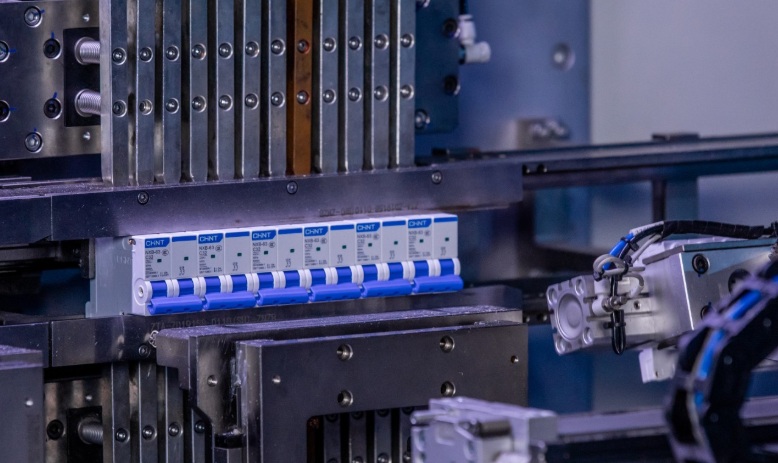
Manufacturers such as CHINT design MCB solutions that follow international standards and offer a range of configurations suited for different applications. This highlights the importance of selecting devices that meet both technical requirements and system conditions. Choosing the right configuration ensures that the MCB provides effective protection without unnecessary interruptions.
Common Pain Points Solved by MCB
Electrical systems often present challenges that can affect both safety and efficiency. MCB devices address several of these common issues by offering reliable and user-friendly protection.
- Frequent circuit interruptions caused by unstable protection systems
- High maintenance costs due to component replacement
- Safety concerns related to overheating or electrical faults
By resolving these problems, MCBs simplify system management and improve overall reliability.
Conclusion
MCBs have become an essential part of low-voltage electrical installations because they offer a practical combination of safety, efficiency, and ease of use. Their ability to respond quickly to faults, reset after activation, and integrate into modern systems makes them a dependable choice for a wide range of applications.
As electrical demands continue to grow, having a reliable protection system is more important than ever. Understanding how MCB devices work and why they are widely used allows you to make informed decisions that enhance both safety and performance in your electrical systems.