
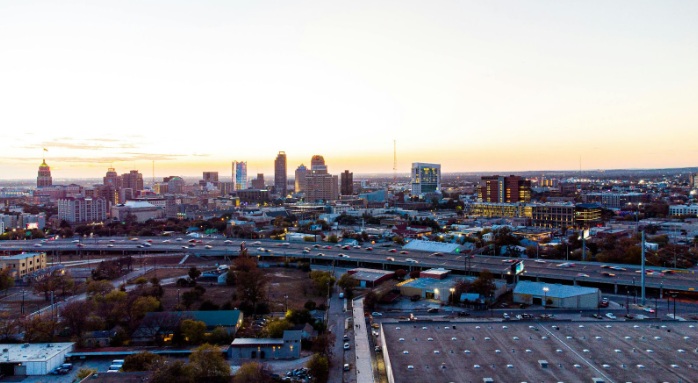
San Antonio is no longer just a vacation stop or historic destination. By 2026, it has firmly established itself as one of the country’s fastest-growing urban centers, drawing new residents from across Texas and the rest of the United States.
San Antonio’s Population Surge in 2026
San Antonio’s city population in 2026 is estimated at about 1,526,656, reflecting steady annual growth in the 1.41–1.59% range and an increase of roughly 9.1% since 2020. The broader San Antonio metro area is even larger, reaching around 2,556,000 people in 2026, up about 1.23% from 2025.
Recent census data underscores how dramatic this growth has been. From July 2023 to July 2024, San Antonio added more than 23,900 new residents, placing it among the top U.S. cities for numeric population gains. Between April 2020 and July 2024, the San Antonio–New Braunfels metro added nearly 205,000 people, and about 59% of that growth came from domestic migration rather than births alone.
In other words, people are choosing San Antonio, often relocating from other parts of Texas or high-cost coastal markets, because it aligns better with their financial and lifestyle priorities.
How San Antonio Fits Into Texas’s Migration Boom
San Antonio’s rise is part of a broader trend: Texas led the nation in population growth in 2025, recording the largest net in‑migration of any state. While Dallas–Fort Worth, Houston, and Austin receive much of the attention, San Antonio has quietly become one of the state’s most attractive destinations for domestic movers.
Several forces are at play:
- Relative affordability compared with other major Texas metros
- Less congestion and a more relaxed pace than some larger cities
- Cultural depth, from historic districts and the River Walk to a strong food and arts scene
This combination allows San Antonio to capture households that want the economic advantages of Texas without sacrificing quality of life or blowing their housing budget.
Housing, Inventory, and Real Estate Opportunity
Housing is a major factor behind the city’s popularity. In early 2026, the average home value in San Antonio hovered around $245,251, with a modest 3.0% year‑over‑year dip. That slight softening, combined with wage growth in many sectors, has improved affordability for buyers and new residents.
Inventory is also improving. In January 2026, active housing listings rose to 6,693, an 11.5% increase year‑over‑year. More listings mean buyers have greater choice, whether they’re looking for starter homes, move‑up properties, or investment opportunities.
On the rental side, continued development has brought new apartment communities and mixed‑use projects across the metro. These added residential units are crucial to absorbing the influx of residents and offer more flexibility to people relocating for work, testing out neighborhoods before buying, or downsizing from larger homes.
Because of this steady, planned growth, newcomers can often secure housing that fits their budget and lifestyle without the bidding wars and extreme price spikes seen in some other hot markets.
Jobs, Economy, and Quality of Life
San Antonio’s demographic momentum is closely tied to its economic evolution. The city’s job market has diversified well beyond its traditional anchors of military, health care, and tourism. Recent years have seen an uptick in advanced manufacturing, logistics, cybersecurity, and professional services.
New major jobs‑creating projects, such as large manufacturing facilities promising thousands of positions, are reshaping local employment prospects. For many workers, this means they can find stable, well‑paying jobs without needing to relocate to pricier metros.
Quality of life is the other half of the equation. Residents regularly cite a blend of:
- Rich culture and history, including missions, museums, and festivals
- Outdoor amenities like trails, parks, and nearby Hill Country escapes
- Family‑friendly neighborhoods and community‑oriented events
- Lower everyday costs compared with many coastal or Sun Belt peers
This balance between opportunity and livability helps explain why people who might once have chosen Austin, Phoenix, or Denver are increasingly turning their attention to San Antonio.
Considering a Move to San Antonio?
For anyone evaluating a relocation in 2026, the data makes a compelling case for including San Antonio on the shortlist. Strong population growth, expanding job opportunities, and relatively attainable housing suggest the city’s momentum is more than a short‑term spike.
If you do decide to make the move, working with experienced local movers in San Antonio can help you navigate neighborhoods, timing, and logistics efficiently, so you can focus on settling into the community rather than the stress of the process itself.
As long‑term migration and economic trends continue to favor Texas, San Antonio appears well‑positioned to remain one of the state’s most attractive, sustainable choices for new residents in the years ahead.