
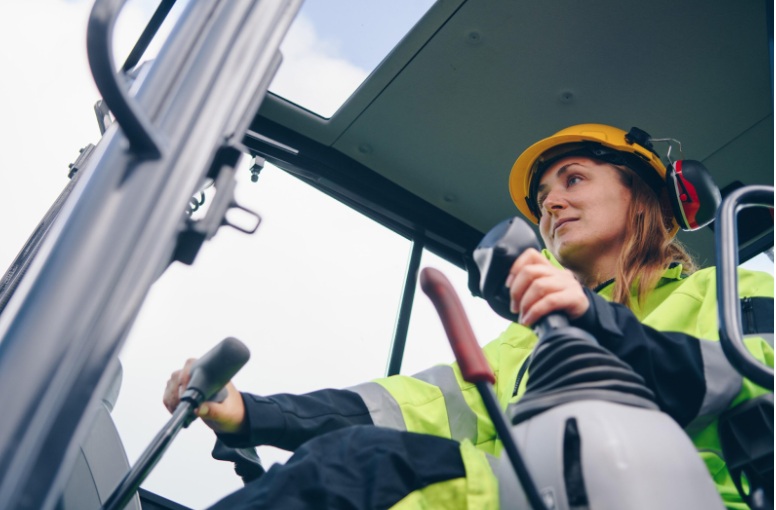
Operating heavy equipment requires a high level of skill and a deep understanding of how these machines function in a busy environment. Plant machinery training provides you with the knowledge needed to prevent accidents and keep everyone on the job site out of harm’s way. This article explains why professional instruction is a vital part of your career and how it protects your physical well-being.
Reducing the Risk of Serious Accidents
Most of all, the reason to get professional training is the possibility of not dealing with accidents at work. You will learn to identify danger like unstable ground, hazards, and overhanging power lines, which can be dangerous. Training will teach you how to start, move and stop machines and control structures. In order to keep the work environment safe, it is very important to know the limits.
Understanding Complex Control Systems
Operating modern plant machinery can be a complex task, as many advanced features come built in with modern machinery. Each lever, button, screen and control mechanism on the plant can put you in danger if you don’t know how to operate it and have not been trained to operate it. Training to use the systems can be intimidating, but it is necessary to ensure you can operate the machinery with confidence.
Learning Proper Pre-Start Inspections
Before you even turn the key in a large machine, you must perform a thorough check to ensure that everything is in good working order. You will be taught how to look for signs of wear and tear, such as leaking fluids, worn tyres, or frayed cables that could fail during a shift. If you find a problem during your walk-around, you will know exactly how to report it so that a qualified mechanic can fix it.
Mastering Safe Loading Techniques
Handling heavy loads is a core part of working with plant machinery, but doing it incorrectly can cause a machine to tip over or drop its cargo. Learn how to calculate the weight of a load and compare it to the specific lifting capacity of the equipment you are using. Training covers the importance of balance and how to keep the centre of gravity low while you are moving across uneven or sloping ground.
Improving Communication on the Site
You will be trained in the use of standard hand signals and radio protocols so that you can stay in touch with your spotters. Understanding these signals allows you to move heavy loads safely, even when your view is partially blocked by the machine or the surrounding environment. Good communication prevents confusion and ensures that everyone knows exactly what the machine is going to do next at all times.
Staying Compliant with Legal Standards
Ensure that you have the correct licences to prove that you have met the national standards for your equipment. Training providers keep their courses updated with the latest regulations so that you are always aware of your legal responsibilities on the job site. If an accident does happen, having proof of your plant machinery training shows that you and your employer took all the steps to work safely.
Enhancing Machine Longevity and Efficiency
When you are trained to use a machine, you are less likely to put unnecessary stress on the engine, the hydraulics, or the moving parts. Proper operation means fewer breakdowns and less time spent waiting for repairs, which keeps the whole project moving along on schedule. Your employer will appreciate that you are taking care of the expensive machinery and using it in the most efficient way possible.
Investing in Your Professional Safety
Plant machinery training is an essential step for anyone who wants to work safely and successfully with heavy equipment in any industry. By learning how to inspect your machine and handle heavy loads, you protect yourself and your colleagues from serious harm. You deserve to work in an environment where you feel confident in your skills and aware of the risks that come with operating powerful technology.