
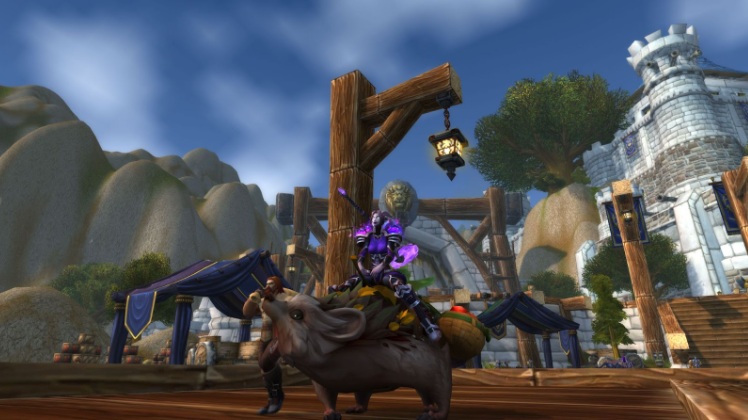
World of Warcraft has demonstrated its staying power as it has dominated the online gaming market for more than twenty years. This legendary title still commands millions. Blizzard’s staying power is not an issue of mere luck and brand recognition. It is a masterclass in crisis management, rapid iteration, and listening to the community. Over these years, the developers have added a massive amount of new content and features. They are always trying to surprise their audience with new ideas and unusual mechanics. At times, these attempts are successful, while others fail to achieve their full potential.
The game is famous for attracting players back after breaks of many years. Many veterans settle for a WoW carry for a quick way of bridging the gap between different expansions. In addition, it enables busy people to have high-level play without losing all their free time. This deep dive explores the huge decline in numbers and pivots in the life of the business that led to disasters turning into comebacks. We will see how Blizzard turned hard challenges into the basis of their current massive success.
Battle for Azeroth: From Faction Hype to Fizzle
Battle for Azeroth came off to an initial high sales success following the massive success of the Legion expansion. The promise of an epic war between Horde and Alliance was very exciting. However, the reality of the game mechanics quickly resulted in mass boredom among fans. Island expeditions and azerite armor system were not deep nor rewarding enough. There were fewer than five million players at the lowest points of the cycle. Many felt that the story failed to provide a satisfying ending and meaningful character development.
The external market was also moving towards faster, session-based competitive games such as Fortnite. MOBAs were also taking up some of the time that would be spent in huge online worlds. Blizzard attempted to lock the progression behind daily tasks, which backfired miserably. They ignored the trends of mobile and stuck to an outdated model for too long. Damage to player trust was significant, with many people being skeptical of future updates.
Shadowlands: Rock Bottom and the Great Exodus
If the previous cycle had been a disappointment, Shadowlands was the real bottom for the franchise. It launched to huge hype in 2020. However, it was not long till there was a historic crash in active users. Revenue from the title dropped 61% in the first few months of operation. Raid participation fell 55% as people tired of the repetitive systems. These statistics point to a high degree of disconnection between the developers and the dedicated fanbase. Veterans felt that the game no longer respected their limited free time and personal efforts.
The internal pressure to let go of content resulted in lots of technical and narrative mistakes. Covenants were too restrictive, which was frustrating to players who wanted to optimize their hero talents. External factors such as the pandemic initially pushed the numbers up, but very soon, burnout set in for many. Massive delays in the patch cycles caused people to look for other forms of digital entertainment. Many creators left for rival games, so there was a huge shift in the online community. This period was a bad time for the reputation of the legendary studio.
Analyzing the Industry Shifts and External Pressures
The industry has changed radically since the early days of the genre boom. In 2010, massive online games were the absolute peak of the digital world. By 2015, the genre share collapsed as free-to-play titles started to take over the market. Games such as League of Legends provided for fierce competition without a monthly subscription fee. This change made the traditional model of the game appear quite expensive to many. Blizzard was forced to find new ways to remain relevant in a very crowded space.
Internal corporate turmoil also placed a lot of stress on the different development teams. Lawsuits and executive changes made for a tough environment in which to undertake long-term creative planning. Despite these enormous distractions, the game servers were up and running and were continually updated. The developers concentrated on technical stability in order to keep the world accessible to everyone. This period was a test for the true structural integrity of the company. They were not about to let the game die under the weight of these problems.
Data-Driven Pivots and the Road to Recovery
Blizzard eventually realized that he had to be totally transparent in order to regain trust. They started to publish for the first time detailed roadmaps for future content updates. The reason for this change was a direct response to the huge failures of the previous eras. Developers began to focus on evergreen systems, which remain relevant for many years. They took the forced daily grinds away that drove so many people away. This new philosophy focuses on player choice and agency, more so than other design goals.
Specific expansion cycles give us a lot of evidence of this unique ability to pivot under pressure. The following data uncovers a regular pattern of crisis followed by successful innovation.
- Battle for Azeroth struggled with boring island tasks but recovered with a content blitz.
- Shadowlands saw a 55% raid participation drop before public audits saved the expansion.
- WotLK Classic saw a 20% retention loss, leading to the successful Season of Discovery.
- The modern era initially faced marketing issues but fixed them with a rapid roadmap.
These examples reveal that Blizzard uses every setback as an opportunity to make their core product even better. The studio thrives on learning from all the mistakes that they make in the design process.
The Power of Classic and Nostalgia
The introduction of Classic servers was a genius decision in order to snatch the power of nostalgia. It was a way for returning fans to relive the original versions of the world they were in love with. This strategy successfully doubled the amount of available content for those who were active subscribers with no additional cost.
It also created more opportunities for the WoW carry ecosystem, since players suddenly had two parallel versions of the game to progress through. When the modern version of the game was struggling, the Classic servers were always busy. Blizzard basically created its own internal competition to keep people within its ecosystem. This diversification is one of the main reasons why they are still highly successful and growing.
There are new experimental modes that show a willingness to take creative risks. These shorter, more intense events keep the game fresh between these major expansion releases. They enable the developers to test crazy ideas without disrupting the main game balance. This agile way of doing things is a long way from the rigid schedules of the past. It keeps the community involved and curious to know what might happen next. The game has evolved from being one product to a massive platform.
Lessons from 22 Years: Fail Forward Philosophy
WoW’s formula: Admit flops loudly, iterate surgically, diversify endlessly. Of course, there are always external threats. Counter with timeless hooks — raids bonding friends, lore spanning millennia across Light/Void sagas. However, from 41% crashes to 7M rebounds, Blizzard alchemizes failure into fuel. Resilience is not avoiding flops. It is thriving post-mortem, turning player rage into roadmap gold. WoW proves gaming immortality. Evolve or die, but never surrender. Blizzard did not. Azeroth reigns eternal, content, mountain unassailable.