

Special to IFN
Dr. Rachel DiSanto, board-certified family medicine physician and Iredell Physician Network medical director, tackles the tough questions surrounding the dreaded “M” word — menopause. From symptoms to treatments, DiSanto explains the science behind it and how you can truly thrive during this major life transition.
Q: What is menopause?
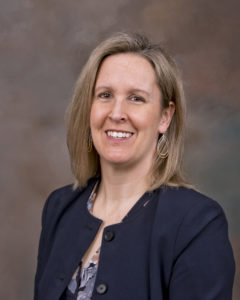
DiSanto: “Menopause is a cultural event that occurs and is approached and perceived in different ways around the world, but, at its foundation, it’s a biological event that happens in women around middle age — typically in the 40s and early 50s in modern culture.”
The timing of menopause varies greatly and depends on individual conditions and genetics.
“It’s not a hard and fast rule, but women will commonly follow their mother’s patterns in terms of timing. There are certainly differences, particularly among women who have more specific and unique gynecological issues such as PCOS.”
It’s important to remember that menopause isn’t really an event, but rather a phase.
“Women have multiple hormonal phases throughout their lives that lead to biological and psychosocial changes, including puberty. Menopause is similar in that it’s not an event, but a prolonged phase of hormonal changes.”
Q: How has menopause changed throughout history?
DiSanto: Women are now living longer than ever, and that has changed how society approaches menopause. Before the Middle Ages, humans, on average, did not live long enough to reach menopause, so it wasn’t talked about as openly as it is today.
“Throughout history, you start to see mentions alluding to it. In the Middle Ages, they called it the witching time because they would see women going through unexplained changes that made them think they were losing their minds. Even up to the 20th century, some would be forced to undergo hysterectomies or be committed to insane asylums because of mood disorders associated with menopause.”
The word hysteria is derived from the Latin word for uterus, so hysteria actually means “wandering uterus.”
“If you look at the historical context of menopause, it unfortunately fits into the narrative that women are not as rational or do not have all the same faculties and skills as men. Even now, popular culture’s conception of menopause is that women lose their minds and freak out. Only in the last 10 or 15 years has the conversation shifted some to discuss it as more of a biological event.”
DiSanto sees stigma around menopause as more of a Western cultural norm.
“In the Far East, particularly in Japan, menopause is celebrated because of their veneration of age in traditional cultures. Interestingly, Japanese women physically experience menopause differently. They don’t typically get hot flashes or have psychological changes that Western women experience.”
Anthropologists are still studying how celebrating women in this way could affect their menopausal journey.
Women are born with a finite number of eggs, or follicles, in their ovaries that play a significant role in the reproductive cycle. Toward middle age, these follicles rapidly deplete, causing estrogen and progestin levels to drop quickly while other hormones increase.
Q: So why does this happen in the first place?
DiSanto: “If you look from a human culture perspective, there are theories in anthropology that middle-aged women are no longer trying to procreate, so their body transitions to a ‘wise woman of the village or community’ who can help rear and mentor others. This theory makes sense when you look at modern cultures that celebrate aging with multi-generational households.”
Q: What are the symptoms?
DiSanto: Everyone knows the classic symptoms of menopause — hot flashes, mood changes, fatigue, etc. — but symptoms vary. Many of DiSanto’s patients first complain about cognitive symptoms.
“You become a little more forgetful and have a more difficult time concentrating. An obvious sign is that your period starts to change or completely stops.”
Other classic symptoms include weight gain, hair loss, and sleep difficulties.
Q: What is a “hot flash”?
DiSanto: A hot flash occurs when the thermoregulatory center of the brain malfunctions and sends signals that the body is hot and needs to rapidly cool down. This causes blood vessels, primarily in the skin, to dilate so heat can dissipate into the air. This can cause flushing of the skin, heart palpitations, dizziness, and sweating.
“It’s a cruel joke of biology that women get hotter as they age and men get colder because their testosterone levels decrease.”
Q: How do you thrive in menopause?
DiSanto: “The basics — eat healthy, live healthy, move, exercise — all those things that we all say and struggle to do — are all things that can help with thermos and metabolic regulation.”
Avoiding alcohol and caffeine can also play a part in symptom management, as well as certain
medications and hormone replacement therapies (HRT).
“There are certainly great medications that can help. Plenty of women can also safely take hormone therapy, at least for a period of time, but some can’t. This is why having these conversations with your primary care doctor or your gynecologist is important. Your health is not one-size-fits-all, and certainly the menopause process isn’t either. There are many things we can talk about in regard to treatment, but really, it’s a combination of lifestyle, pharmacology, and medication for people who need it.”
DiSanto also warns against some of the for-profit online supplement and therapy companies that over-promise and under-deliver.
“I’m not saying they’re all dangerous, but it’s important that these companies are disclosing all the risks and benefits of their treatments. My experience with patients that have explored some of these options is that they’re not receiving any follow-up lab testing or safety monitoring for blood pressure, etc. Menopause is not one-size-fits-all, and I always tell my patients not to spend a lot of money and let me know what they’re taking so I can make sure it’s safe. Whether it works is another story.”
Serious mental health issues can arise during menopause, much like they do during pregnancy or postpartum. While therapy and medication can be effective, normalizing the process can be encouraging.
“Don’t just dismiss a woman’s feelings because she’s menopausal. Help them get the help they need so they can return to their level of health that is productive and engaged. Remember that this is a biological process that she has no control over. It’s just another transitional stage of life that needs to be supported. If women could give themselves the grace to approach it that way, it would go a long way.”
About Iredell Health System
Iredell Health System includes Iredell Memorial Hospital; Iredell Davis Medical Center; Iredell Davis Behavioral Health Hospital; Iredell Mooresville; Iredell Home Health; Iredell Wound Care & Hyperbaric Center; Community and Corporate Wellness; Occupational Medicine; the Iredell Physician Network and more. Iredell Memorial Hospital is the largest nonprofit hospital in Iredell County. The comprehensive healthcare organization has 391 licensed beds; over 2,300 employees; and has approximately 365 healthcare providers representing various specialties. Centers of excellence include Women’s and Children’s; Cardiovascular; Cancer; Surgical Services and Wellness & Prevention. The health system’s Iredell Mooresville campus is home to the area’s only 24-hour urgent care facility, as well as an ambulatory surgery center, imaging center, rehabilitation services, and physician practices. The mission of Iredell Health System is to inspire wellbeing. For a comprehensive list of services and programs, visit www.iredellhealth.org.