

Special to IFN
Is pain management possible without opioids?
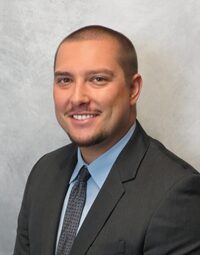
Dr. Rob Theiss, physician at Iredell Pain Management, shares information on how to keep pain from interfering with living your life to the fullest.
Some of the most common concerns Theiss sees in his practice stem from the back and neck. As many as 80% of pain patients are plagued by either back or neck pain, according to one medical study. In addition, back pain is the leading cause of disability globally.
“Most commonly as we age, there is arthritis that affects our joints,” explained Theiss. “The other common cause is pinched nerves.”
There are, of course, other causes that Theiss treats on a daily basis. Each individual case is different and treatments range in complexity depending on medical history, cause of pain and pain tolerance.
“We are kind of like their primary guard for pain even if it’s for one visit and then we don’t see them for two, three, four more years and they come back. We do have those longitudinal relations with people in general, which is cool.”
Theiss chose pain management as his specialty not only because of his interest in musculoskeletal medicine, but also because of his interest in helping others live their best lives and being part of the change.
“There’s so much that’s unknown about chronic pain and it’s exciting to me that maybe there will be a breakthrough, and I can be part of that.”
The pain management landscape has drastically changed throughout the last few decades, partly due to the opioid crisis.
“All parties in the healthcare industry, including doctors, have to own up to the role we had, along with pharmaceuticals, in the opioid epidemic. Well-intentioned people thought ‘Hey, these are a big breakthrough, you can take a pill and everything feels better.’ It’s like smoking cigarettes in our grandparent’s generation and it spiraled out of control.”
Theiss explained the stigma surrounding opioids.
“It’s our job in the medical field to show that there are good players and that opioids can be a valid treatment tool in certain cases. Yes, there’s a role for them, but we have a lot of thoughtfulness in how we use them and usually try other treatments first with less risky downstream consequences.”
Many individuals are cautious to take opioids, even when they are prescribed them because of fear surrounding addiction. However, sometimes they are necessary to control pain.
“I think of myself as a carpenter. I’ve got tools in my toolbox, and opioids are just one tool of many in my toolbox. I reach for them when I feel like they’re necessary, but for most people, they aren’t.”
It’s important to talk to your healthcare provider about what’s right for you and only take medications that are prescribed to you.
What are some other options for pain management?
“I break things down into buckets for my patients. One of the first buckets I talk about is therapies.”
This includes physical, occupational and behavioral therapy. Some combination of these can help improve function and equip patients with tools to use outside the office.
Some patients are surprised to see success from behavioral therapy, but many do. A great example is patients suffering from fibromyalgia.
“These patients have their pain processing nerve pathways ramped up and there’s a lot of coping that comes with that. In general, patients that have had pain for 15, 20, 25 years, fibromyalgia or not, these processing pathways are damaged. Behavioral pain psychologists teach patients strategies to live a functional and quality life, not because we think it’s in your head but because you have very valid pain and we need to find a way to work through that on a long-term basis.”
The next “bucket” is non-opiate medications. These include anti-inflammatories and muscle relaxers, neuropathic or nerve pain medicines, and prescription or over-the-counter creams.
“The nice thing about topicals is there’s less than a 10% systemic absorption, meaning that, compared to the pills we give, there’s very few, if any, side effects. That’s the nice part about it. You can generally use them for weeks, months, or even years.”
Another major “bucket” includes injections.
“There are some steroids we can give for back pain and even injections that we kind of ‘heat up’ for arthritis pain the back.”
Other options include nerve stimulation and surgery. A common over-the-counter treatment is a transcutaneous electrical nerve stimulation (TENS) unit that uses a mild electrical current to reduce pain. Other nerve stimulation treatments work similarly to a TENS unit but are internal and more permanent.
“There’s a new technology called peripheral nerve stimulation with an implantable lead that, for 60 days, stimulates whatever nerve target that it is placed by. It can dull down some of that pain in the periphery.”
Theiss maintains a collaborative relationship with other healthcare professionals to determine the best course of action for each patient, whether that is therapies, surgery or other treatments.
LEARN MORE
If you are experiencing acute or chronic pain and seeking relief, talk to your primary care provider about a referral to Iredell Pain Management, located at 766 Hartness Road, Suite A, in Statesville and 653 Bluefield Road, Suite H, in Mooresville. Call 704-360-4378 or visit Iredellpain.com.
About Iredell Health System
Iredell Health System includes Iredell Memorial Hospital; Iredell Davis Medical Center; Iredell Davis Behavioral Health Hospital; Iredell Mooresville; Iredell Home Health; Iredell Wound Care & Hyperbaric Center; Community and Corporate Wellness; Occupational Medicine; the Iredell Physician Network and more. Iredell Memorial Hospital is the largest nonprofit hospital in Iredell County. The comprehensive healthcare organization has 391 licensed beds; more than 2,300 employees; and has approximately 365 healthcare providers representing various specialties. Centers of excellence include Women’s and Children’s; Cardiovascular; Cancer; Surgical Services and Wellness & Prevention. The health system’s Iredell Mooresville campus is home to the area’s only 24-hour urgent care facility, as well as an ambulatory surgery center, imaging center, rehabilitation services, and physician practices. The mission of Iredell Health System is to inspire wellbeing. For a comprehensive list of services and programs, visit www.iredellhealth.org.