BY DONNA SWICEGOOD
Sandra Houston Hunt wanted a hot dog and a Coke when she sat down at the lunch counter at the Statesville Woolworth’s some 66 years ago.
She was arrested for sitting at the whites only counter.

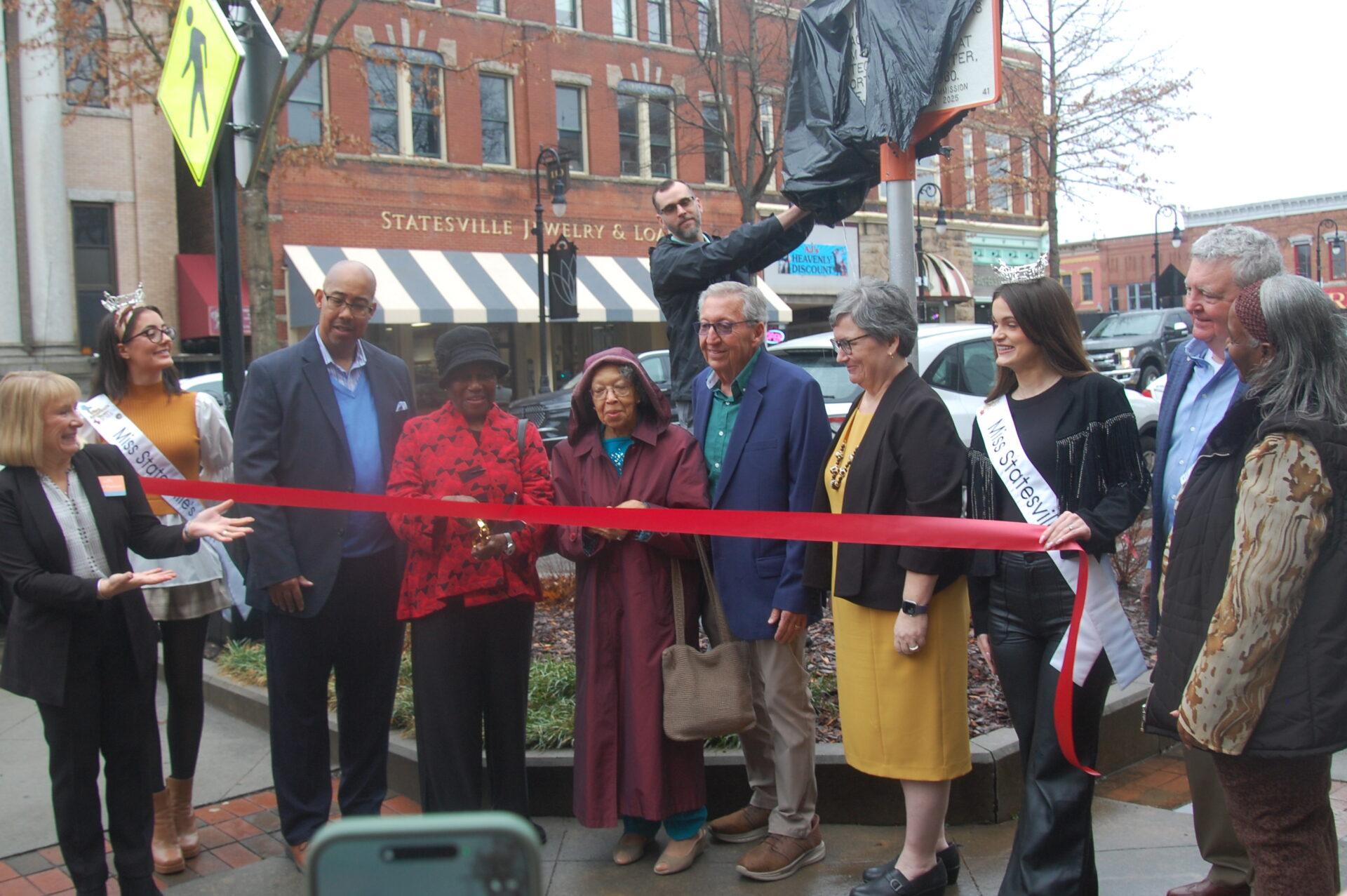
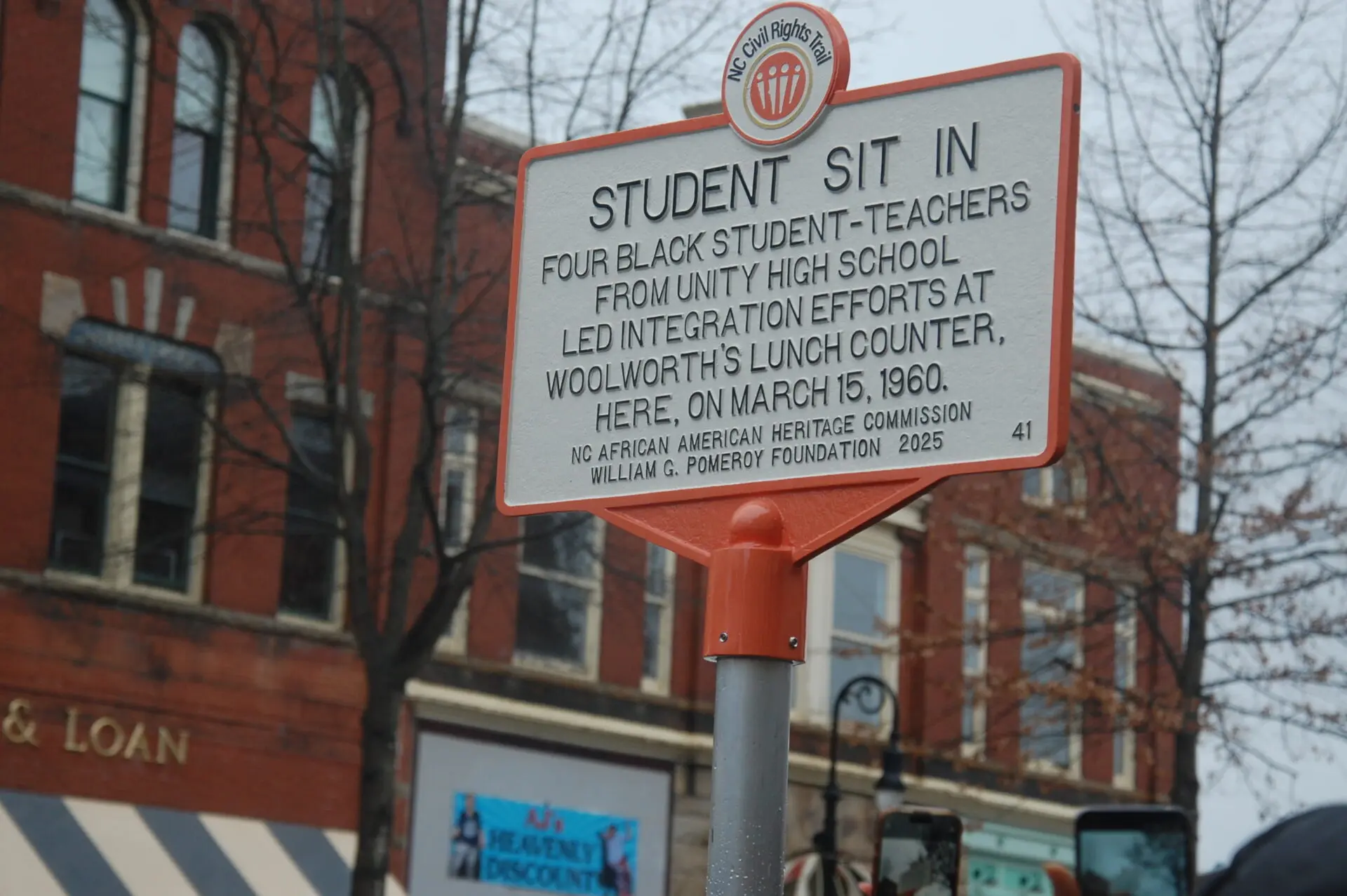
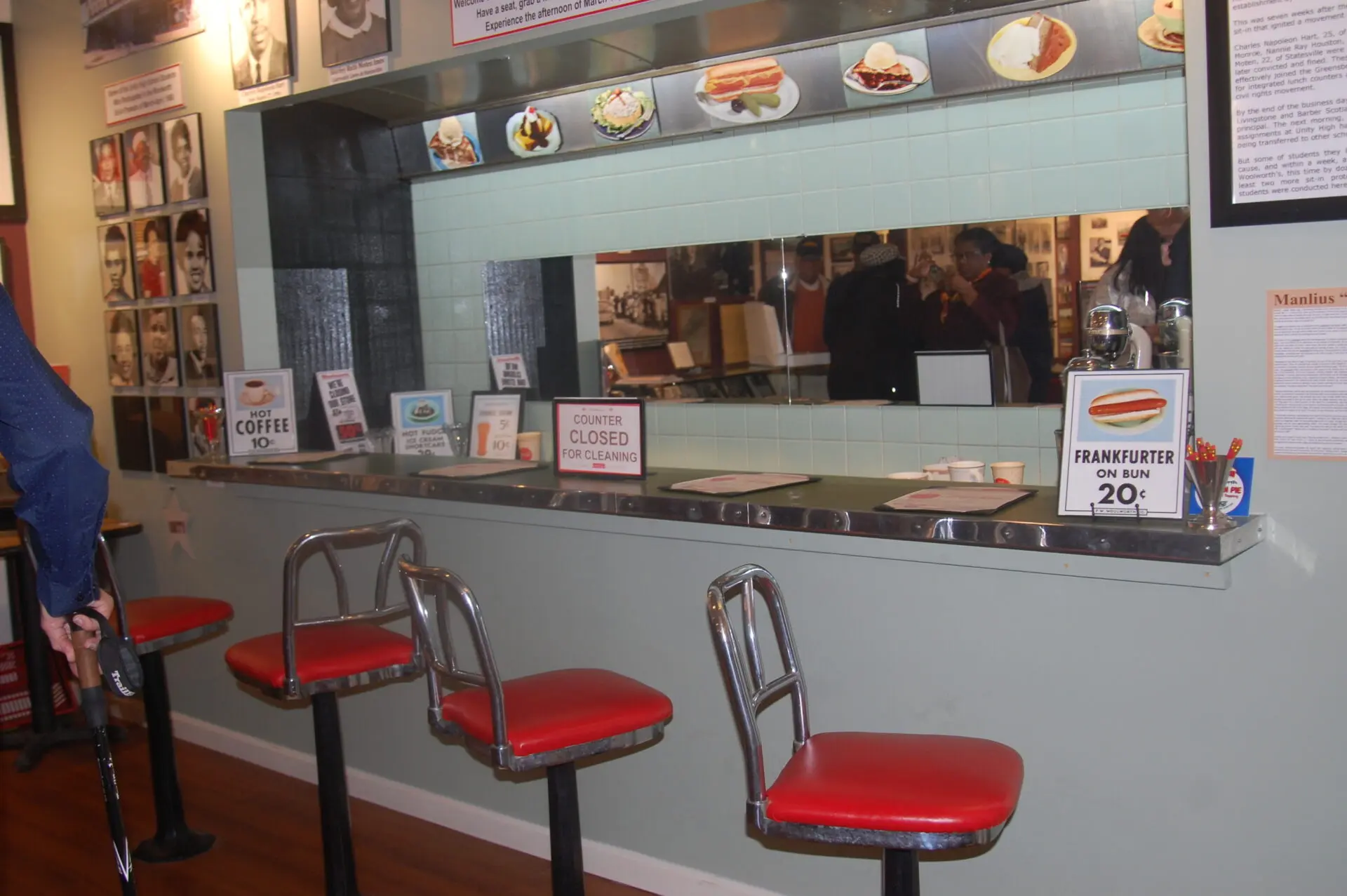
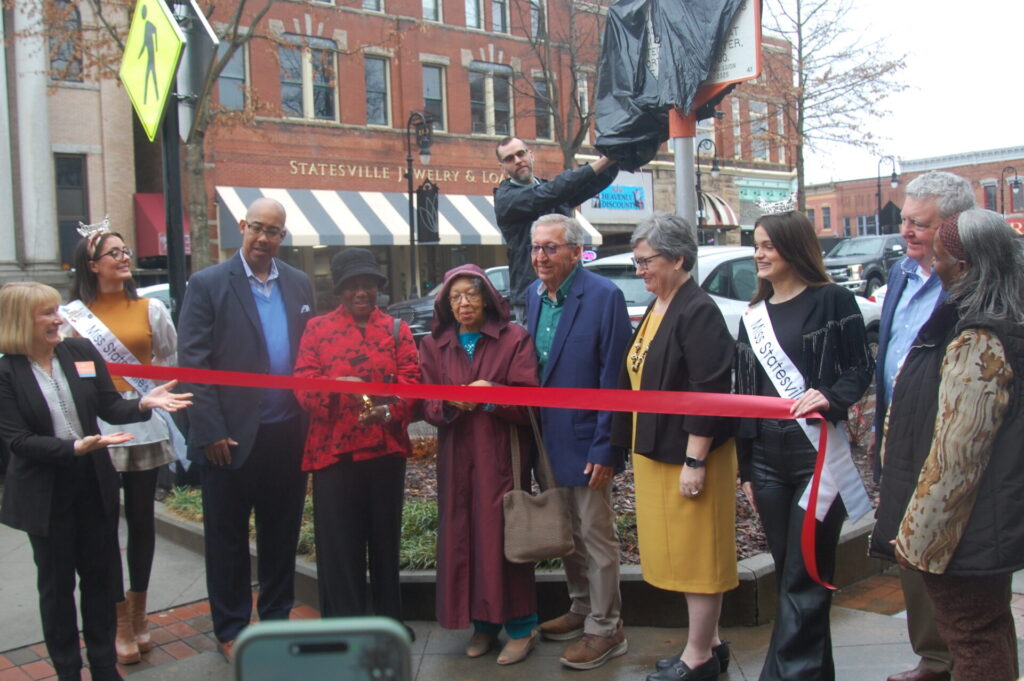
On Thursday, a historical marker was unveiled in front of the Statesville Historical Collection on Center Street to remember those who sat down and changed history. Inside the Statesville Historical Collection, a replica of that lunch counter is prominently displayed.
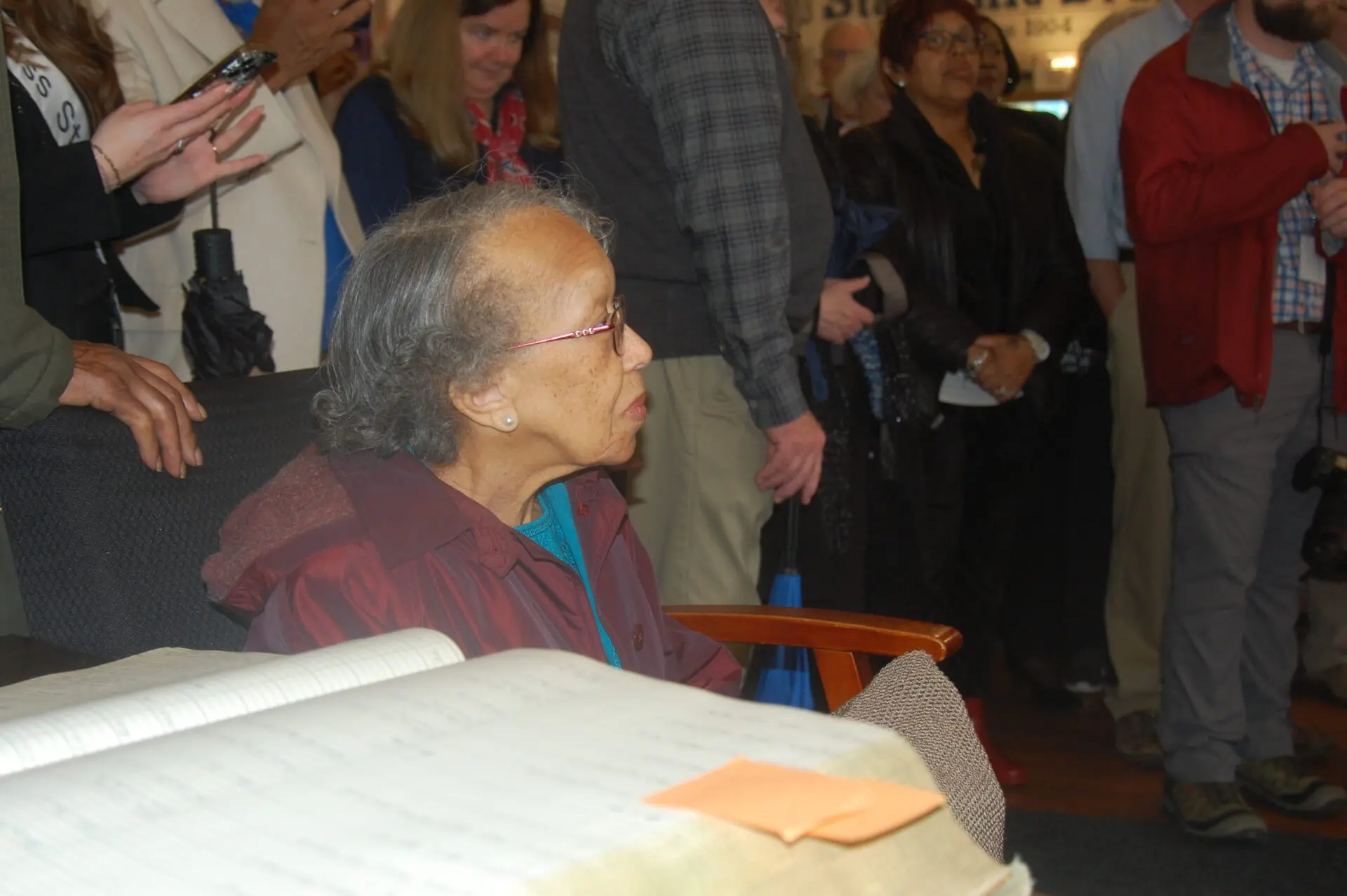
“It is so wonderful,” Hunt said as she and a fellow protester from that year, Dorothy Woodard, posed for photos in front of the historical marker. “It’s wonderful it’s finally getting recognized.”
The protests started in March 1960 when four Unity High School student teachers sat down at the counter. A sign was put out saying the counter was closed for cleaning — which was code for the Black people to leave, said Steve Hill, proprietor of the Statesville Historical Collection.
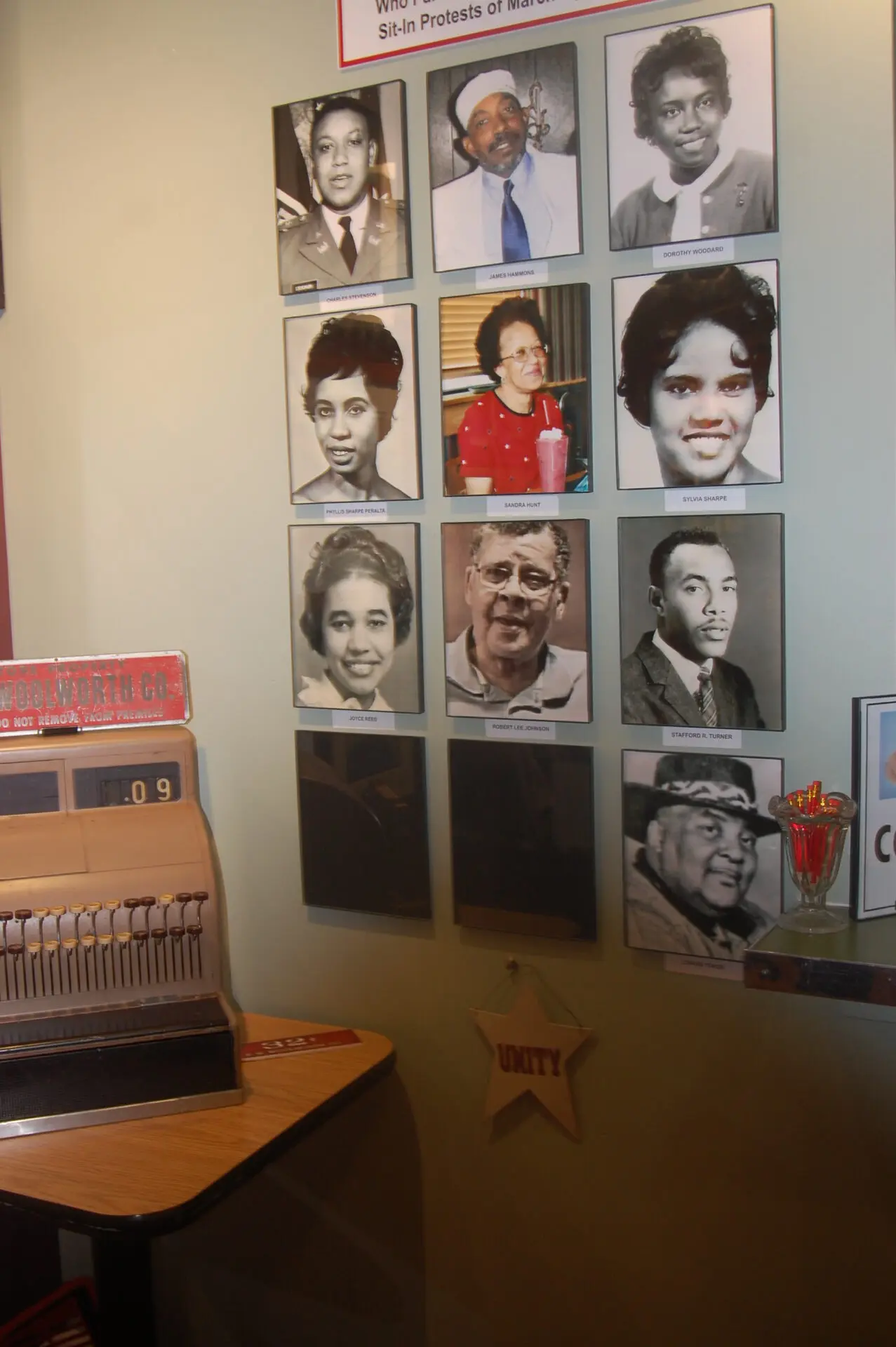
A month later, Hunt, along with 10 others, sat at the counter and were ordered to leave. When they refused, they were arrested. Hunt said she joined the protest “hoping to get served.”
The placement of the historical marker is the culmination of a joint effort between the Statesville Convention and Visitors Bureau and the City of Statesville.
Hill credited Dr. Curtis Abell with helping bring this story to life.
The Statesville protests began in March 1960, just six weeks after a similar demonstration in Greensboro gained national attention.
“That story began at 4 o’clock in the afternoon when four teachers from Unity High School sat down at the Woolworth lunch counter. The waitress quickly did what she was trained to do. She came out and sat down the sign ‘Closed for cleaning.’ That was the code word for get out. But the four refused to leave,” Hill said.
The four teachers were arrested and taken across the street to the jail.
Hill said when the teachers returned to school the next day they found their positions had been revoked. They were eventually reassigned to other schools in the region.
Hill read their names — Charles Napoleon Hart, Margaret Glenn, Nannie Ray Houston and Shirley Ruth Moten. Those names were included in the proclamation that Statesville Mayor Doug Hendrix presented to Hill and are a part of the lunch counter display at the Statesville Historical Collection.
“These four brave youngsters to be followed over the next few days by more than a dozen 14 to 18 year old students from Unity High School to stage similar sit-ins. Things started moving that brought the dream of equal rights for all to the forefront,” he said. “Their demands for equality were the beginning of our city’s civil rights movement and an even larger movement across the nation.”
Hill said the sit-ins forced Woolworth’s to make changes in how it treated its African-American customers.
Andre Nabors of the Economic Development Partnership of North Carolina said this recognition will help Statesville continue to earn prominence in the growing civil rights tourism.
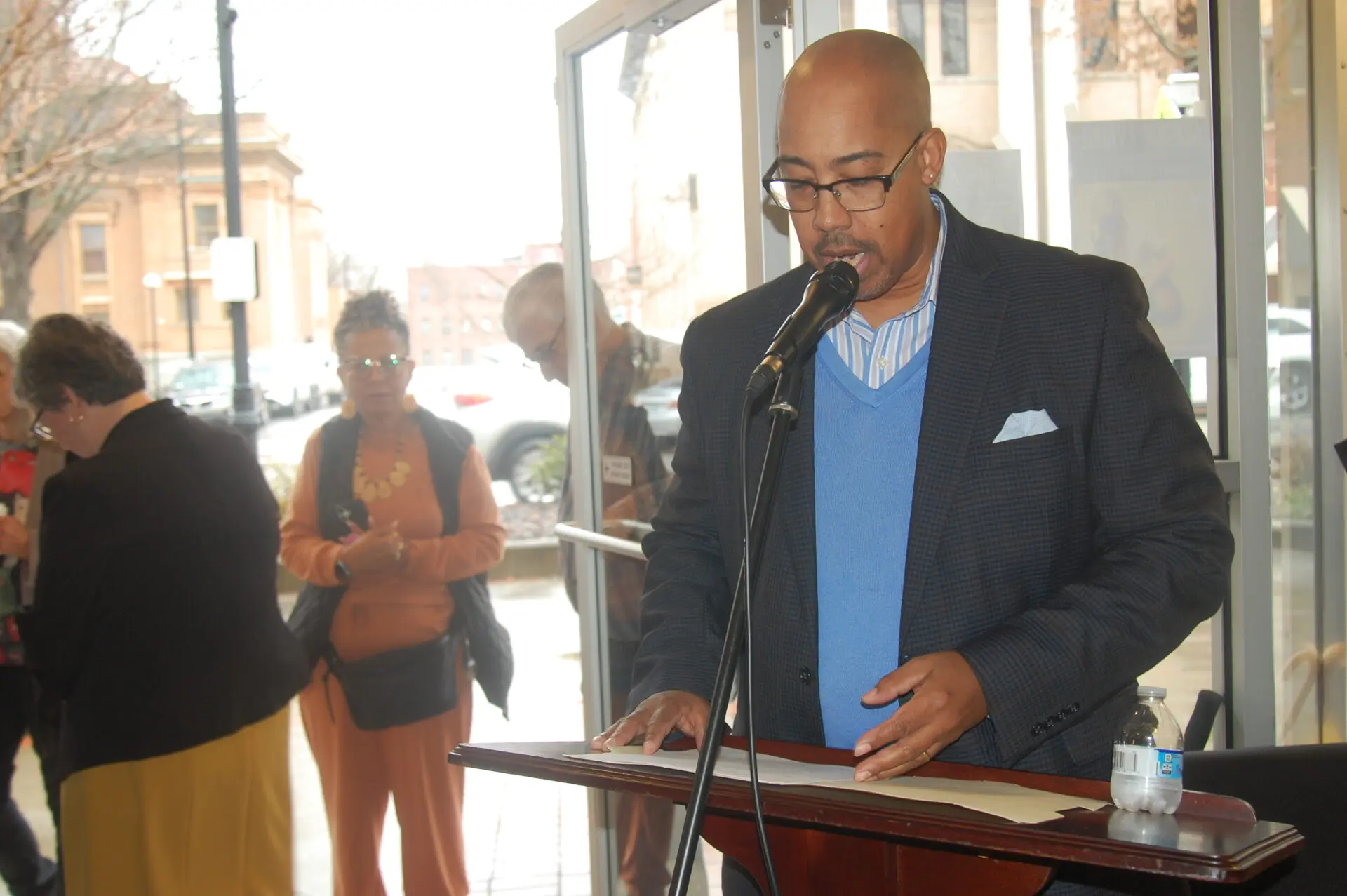
“Today we honor the courage, the resilience and leadership of those who advanced civil rights in Statesville. This marker is not just about history. It’s about place, identity and progress,” he said.
Statesville’s story deserves this recognition and its place as part of the state’s civil rights trail, Nabors said. Civil rights tourism is one of the fastest growing segments of the industry, statewide, nationally and internationally, he added.
“This marker should be a starting point but not a finishing mark,” he said.
The young people who took part in the historic sit-ins deserve this recognition, Nabors added, noting the presence of students from the nearby American Renaissance School.
“What happened here changed the world and to our students back there, you’re charged with the opportunity to change the world,” he said.
Photos