
Special to IFN
A critical infrastructure issue is emerging across Western North Carolina as multiple municipalities have stopped accepting septic waste, leaving licensed haulers with no local disposal options across a five-county region.
Septic service providers report that facilities in Morganton, Newton, and Hickory are no longer accepting septage from haulers. As a result, there are currently no available disposal sites serving Iredell, Alexander, Catawba, Caldwell, or Burke counties—a region with a population of more than 500,000 residents.
This disruption is already impacting essential wastewater services for homeowners, property managers, and businesses that rely on routine septic system maintenance.
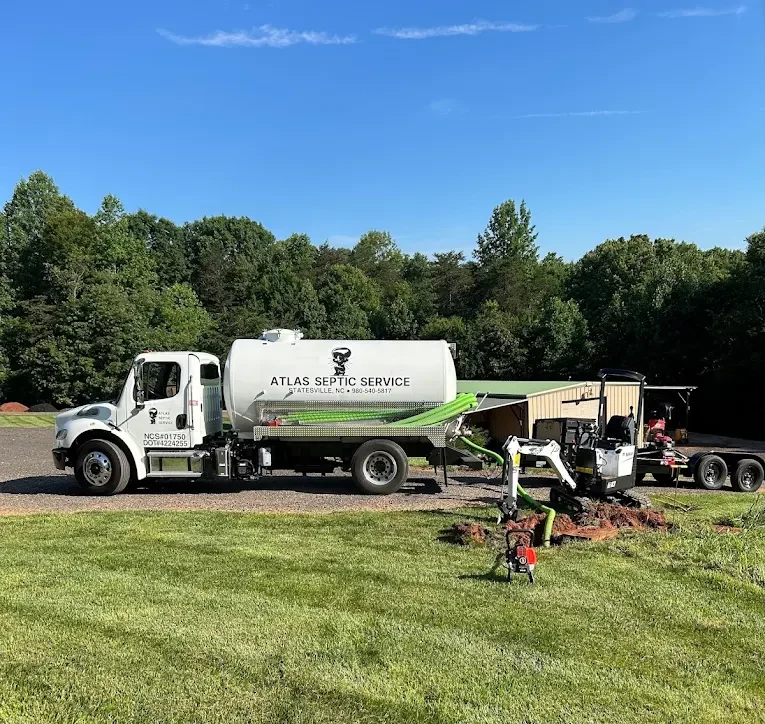
“Right now, we are licensed, regulated service providers with nowhere to legally dispose of waste,” said Atlas Septic Service owner Spencer Stevenson. “This isn’t just a business challenge — it’s a growing public health concern that needs immediate attention.”
Under normal conditions, septic haulers operate within a 30 to 50 mile service radius for disposal. With local facilities no longer accepting waste, haulers may now be forced to travel 90 to 150-plus miles round-trip to find an alternative site.
This shift creates significant operational strain, including:
♦ 2–4 additional hours per service trip;
♦ Fuel cost increases of 2 to 3 times per load; and
♦ Reduced daily service capacity by 30 to 50 percent
For homeowners and businesses, this may translate into delays in septic pumping services of several days to weeks; increased service costs due to extended hauling distances; and a heightened risk of septic system backups or failures
Industry estimates suggest that thousands of septic systems across the region require routine pumping each month. Without access to disposal facilities, even a short-term disruption could create a backlog that compounds quickly.
Potential impacts include:
♦ Delays in septic system pumping and maintenance;
♦ Increased service costs for residents and businesses;
♦ Risk of septic system overflows or failures; and
♦ Environmental and groundwater contamination concerns
Septic systems play a critical role in protecting public health and water quality, particularly in rural and suburban communities without access to municipal sewer systems.
Industry professionals are calling for immediate action from local and regional officials to address the issue and provide temporary or long-term solutions for septage disposal.
“We are urging local governments and utilities to work collaboratively on an emergency response plan,” Stevenson added. “Access to proper waste disposal is essential for protecting our communities.”
Providers in the region are actively seeking guidance and solutions and are prepared to work with officials to restore critical infrastructure access as quickly as possible, he added.