
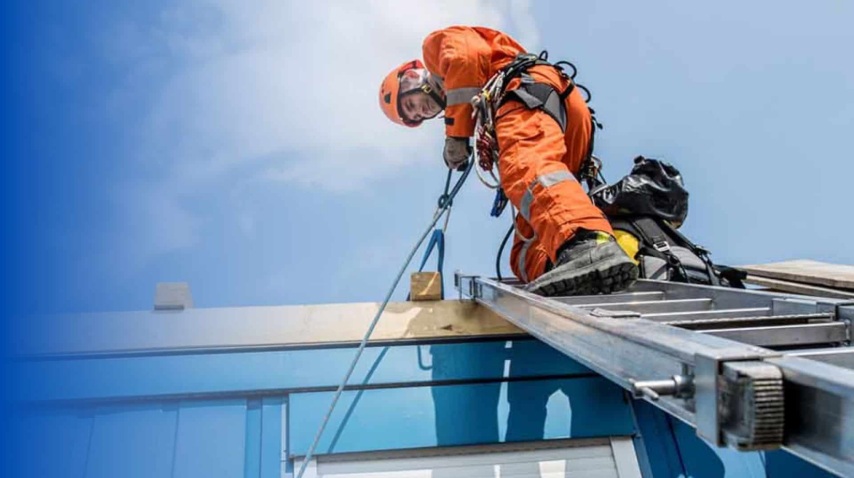
If your job involves working at heights, whether on construction sites or handling any high-risk tasks, height safety equipment is your lifeline. Harnesses, lanyards, anchors, and fall-arrest systems all need to work perfectly when you need them most. Even the smallest fault can turn dangerous in seconds. In this article, you will learn why doing regular inspections of height safety equipment is important.
Keeping Workers Safe Comes First
A small tear in a strap or a loose harness can transform what should have been another day on the job into a serious mishap. Routine inspections catch those before they become a big problem. When the gear is in top shape, you can concentrate on your job and trust that if something goes wrong. Every inspection is an opportunity to protect against injuries and sometimes even save a life.
Staying Compliant with Safety Rules
Work sites have to follow safety protocols, and not carrying out inspections can result in fines. Safety inspections prove your business is compliant with national safety standards and workplace laws. Showing how detailed a record of checks you’re keeping shows that safety matters. This accountability is not just for show; regular inspections are how management shows it takes safety seriously.
Spotting Wear and Tear Before It’s Too Late
Being outdoors, rubbing constantly and chemicals can be abrasive on your gear, wearing it out over time. Regular checkups can allow you to catch fraying and hidden cracks before they become dangerous. Repairing worn-out parts early not only protects workers but also keeps gear trustworthy when it is needed. The sooner those problems are caught, the fewer headaches you’ll have.
Reducing the Risk of Accidents
Falls from height are one of the biggest hazards in the workplace, and faulty equipment is often a key cause. Checking gear frequently reduces the chance of accidents dramatically. Not only does this protect staff, but it also keeps operations running without costly interruptions. When workers know their safety gear is checked and reliable, confidence rises, morale improves, and people feel safer doing their job.
Extending the Life of Your Equipment
Regular inspections are not only a matter of safety; they’re protecting your investment. Good harnesses, ropes and anchoring will make the things last longer and do their job better. The sooner you notice and identify a small problem, the less likely it is to develop into something serious. Taking the time to inspect will save money in the long run, so it makes sense for both staff and business.
Boosting Training and Awareness
While checking equipment, workers can revisit correct usage, maintenance tips, and handling techniques. Always remember that this helps prevent misuse and strengthens understanding of safety procedures. Don’t forget that having regular reminders builds a workplace culture where safety becomes second nature, and everyone understands their role in keeping the environment secure.
Preparing for Emergencies
If a fall occurs, well-maintained gear could mean the difference between a minor incident and a serious injury. Keep in mind that conducting thorough regular inspections ensures every component works as it should when it’s needed most. Furthermore, being prepared doesn’t just protect workers physically; it also gives peace of mind, letting people focus on their work without unnecessary worry.
Make Inspections Part of Your Routine
A height safety equipment inspector safeguards workers, ensures businesses are in compliance, prevents accidents and prolongs the life of gear. Working with a certified inspector ensures that each inspection is exhaustive; it’s all in the detail. This is just the tip of the iceberg into a world of workplace safety; establish regular inspections as a part of your general safety routine and build a safe place to work.