
The journey toward healing from substance use disorders is a complex process that millions of individuals and families navigate every year. While the challenges of addiction are significant, the modern landscape of healthcare offers more pathways to sobriety than ever before. Understanding the mechanics of how substances affect the body, the specific nuances of various treatment environments, and the long term nature of the recovery process is essential for anyone seeking to reclaim their life from the grip of chemical dependency.
The Foundation of Addiction Recovery
Addiction recovery is not a single event but a continuous process of change through which individuals improve their health and wellness while striving to reach their full potential. It begins with the acknowledgment that a problem exists and the willingness to seek professional help. This journey often involves a combination of medical intervention, psychological counseling, and peer support.
Successful recovery depends on addressing the whole person rather than just the physical symptoms of drug or alcohol use. This holistic approach considers the social, emotional, and environmental factors that contribute to substance use. By building a strong foundation of healthy habits and coping mechanisms, individuals can create a lifestyle that supports long term abstinence and emotional stability.
Exploring Drug and Alcohol Rehab in California
When searching for the right environment to begin this journey, many people look toward regions known for specialized care. Drug and alcohol rehab in California has become a prominent choice for individuals from across the country due to the diverse range of treatment modalities available there. The state is home to a vast array of facilities that cater to different needs, from high end residential centers to community based outpatient programs.
One reason why this region is frequently discussed in the context of recovery is the emphasis on integrated care. Many programs in the area combine traditional evidence based therapies like cognitive behavioral therapy with experiential treatments such as outdoor activities or mindfulness practices. The goal is to provide a serene and supportive atmosphere where patients can focus entirely on their healing without the distractions of their daily lives.
While the location itself provides a beautiful backdrop for reflection, the quality of care remains the most critical factor. Prospective patients often evaluate facilities based on their accreditation, the expertise of their medical staff, and the specific types of addiction they treat. Whether a person is seeking help for alcoholism or a dependence on prescription medications, finding a program that offers a personalized treatment plan is vital for success.
Understanding the Impact of Prescription Medications
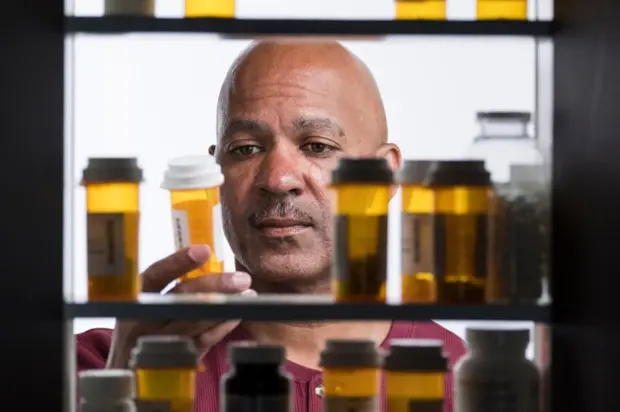
A significant portion of those entering treatment today struggle with prescription drugs, specifically benzodiazepines. One of the most common questions individuals and their families ask is “How long does Xanax stay in your system?” This question is important because it relates to both the detoxification process and the potential for withdrawal symptoms.
Xanax, which is a brand name for alprazolam, is a fast acting medication typically prescribed for anxiety and panic disorders. Because it has a relatively short half life, the effects of the drug are felt quickly but also leave the bloodstream faster than some other medications in the same class. However, being out of the bloodstream does not mean the substance is completely gone from the body.
Various factors influence how long the drug remains detectable. These include the age of the individual, their metabolic rate, their liver function, and how long they have been taking the medication. In general, the drug can be found in urine tests for several days after the last dose, while hair follicle tests can detect its presence for much longer. Understanding this timeline is crucial for medical professionals who are designing a safe detox protocol, as stopping the medication abruptly can lead to severe and even life threatening withdrawal symptoms.
The Physical and Psychological Stages of Healing
The process of moving past addiction usually follows a structured path. It starts with detoxification, which is the process of allowing the body to clear itself of toxins. This stage is often the most physically demanding and should be conducted under medical supervision to ensure safety and comfort.
Following detox, the focus shifts to the psychological aspects of dependency. This is where the core work of addiction recovery takes place. Patients participate in individual therapy sessions to uncover the root causes of their substance use. They might explore past trauma, co-occurring mental health issues like depression or anxiety, or environmental triggers that lead to cravings.
Group therapy is another cornerstone of the treatment process. It allows individuals to realize they are not alone in their struggles. Sharing experiences with peers who are facing similar challenges provides a sense of community and accountability. These sessions help patients develop better communication skills and learn from the successes and setbacks of others.
Building a Sustainable Recovery Plan
Once the initial phase of intensive treatment is complete, the focus turns to maintaining sobriety in the real world. A well rounded aftercare plan is essential to prevent relapse. This plan often includes ongoing therapy, participation in support groups like Alcoholics Anonymous or Narcotics Anonymous, and regular check-ins with a healthcare provider.
Lifestyle changes also play a significant role in long term success. Many people find that adopting a regular exercise routine, improving their nutrition, and practicing stress reduction techniques helps them stay grounded. It is also important to build a social circle that supports a sober lifestyle. This might mean stepping away from certain friendships or environments that are associated with past drug or alcohol use.
Recovery is a marathon rather than a sprint. There will be days of great progress and days that feel like a struggle. The key is to remain committed to the process and to utilize the tools learned during treatment.
The Role of Family and Support Systems
Addiction is often described as a family disease because it affects everyone close to the individual. Therefore, family involvement is frequently a part of the recovery process. Family therapy can help repair broken trust, improve communication, and educate loved ones about the nature of addiction.
When family members understand that addiction is a chronic brain disease rather than a moral failing, they can provide more effective support. Learning how to set healthy boundaries is also crucial for the well being of the family as a whole. A strong support system acts as a safety net, providing encouragement during difficult times and celebrating the milestones of sobriety.
Looking Toward a Brighter Future
The path to overcoming substance use is unique for every individual. Whether someone finds healing through drug and alcohol rehab in their own community, the most important step is the first one. By seeking help and committing to the hard work of change, it is possible to build a life that is no longer defined by addiction.
Education remains one of the most powerful tools in this battle. Understanding the duration of substances in the body helps demystify the physical aspects of the struggle. Meanwhile, focusing on the broad principles of addiction recovery ensures that the mental and emotional needs of the individual are met.
Recovery offers the opportunity for a fresh start. It is a chance to rediscover passions, rebuild relationships, and find a sense of purpose. While the road may be long, the destination of a healthy and fulfilling life is well worth the effort. With the right resources, a solid plan, and a supportive community, anyone can find their way back to wellness and maintain a lasting recovery.