
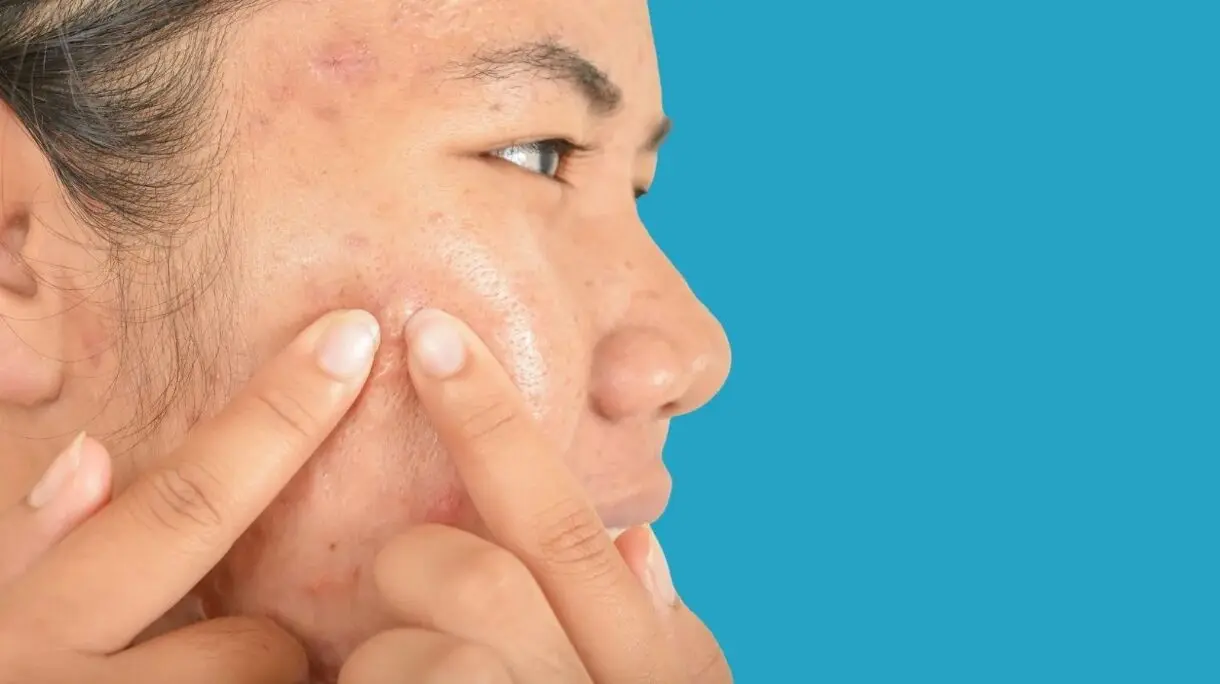
Accutane is a well-known name for isotretinoin, a prescription medicine used to treat acne that has not improved with other treatments. The topic matters because the drug can help the right patient, but it also has strict safety rules.
The goal is simple: help you understand what to ask, what to expect, and what steps must happen before treatment starts. This guide uses information from the official REMS site, the FDA Q&A page, and patient-style iPLEDGE study material.
What Is Accutane Used For?
Isotretinoin is mainly used for treating severe acne, especially nodular acne that has not cleared with other treatments. It is not a casual acne medication. A dermatologist usually considers it when acne is deep, painful, scarring, or resistant to other options.
Before you look for Accutane, prepare clear isotretinoin questions about your acne history, past medications, allergies, mood history, and pregnancy risk. This helps your clinician decide whether treatment makes sense.
Why Are Safety Rules So Strict?
The Food and Drug Administration requires a REMS safety system because isotretinoin can cause serious harm during pregnancy. The main purpose is to prevent fetal exposure to isotretinoin.
The drug administration, the FDA Q&A explains that the system exists because standard prescription labeling is not enough for this risk. The rules apply to prescribers, pharmacies, and patients. The official Accutane website can also direct users to current program forms and patient materials.
Question: Practical Answer: Why do I need special approval? Isotretinoin has pregnancy-related risks that require extra safety steps. Can any pharmacy fill it?No. The pharmacy must follow the REMS process before dispensing it.
What is the iPLEDGE Requirement?
The iPLEDGE program is the required system used in the United States before a patient can receive isotretinoin. It confirms that the patient, prescriber, and pharmacy meet the required steps.
Before starting isotretinoin, patients may need registration, counseling, lab review, and a pregnancy test, depending on risk category. The process can feel frustrating, but it is designed to prevent pregnancy during treatment.
If you are considering getting Accutane online from DermOnDemand, use it as a starting point for understanding access, not as a substitute for your prescriber’s instructions.
What Should You Ask First?
Bring focused questions to your visit. This saves time and helps your dermatologist assess whether isotretinoin is appropriate for your situation.
Ask about:
- Whether your acne type is severe enough for treatment
- What labs or health history does your clinician need
- How long does the course last
- What to do if you miss a dose or pharmacy window
- Which symptoms should trigger a call to your clinician
Also, ask if it’s okay to take isotretinoin when you use other medications, have a history of mood changes, or take skincare products that may irritate your skin.
What Pregnancy Rules Apply?
Patients who can become pregnant must follow extra steps before and during treatment. These may include negative pregnancy tests before the first prescription and monthly pregnancy tests during treatment. Some patients also need two forms of birth control unless they qualify for another accepted option.
Patients usually must wait 30 days after certain starting steps before receiving the first prescription. The exact timing can depend on the current REMS rules and the prescriber’s instructions.
For patients who cannot get pregnant, requirements are usually different, but enrollment and prescription controls still apply.
What Side Effects Should You Know?
Common side effects can include chapped lips, dry skin, dry eyes, nosebleeds, and sun sensitivity. Many patients need a gentle cleanser, moisturizer, lip balm, and daily sunscreen during treatment.
More serious symptoms need medical attention. These can include severe headache, vision changes, intense stomach pain, signs of depression, allergic reactions, or anything that feels life-threatening.
Avoid starting new acne treatments without asking your clinician. Also, ask before using vitamin A supplements, since isotretinoin is related to vitamin A, and excessive intake may increase the risk of side effects.
What Should You Avoid?
During treatment, your habits matter. Some safety steps lower the risk and help your clinician manage side effects.
Avoid:
- Sharing medication with anyone
- Taking other isotretinoin products unless prescribed
- Cosmetic procedures that your clinician has not approved
- Waxing if your skin is fragile
- Alcohol if your clinician advises against it
- Trying hormonal birth control changes without guidance
Patients should not donate blood during treatment and for a period after the last dose because donated blood could expose a pregnant person to the medication.
Final Questions for Your Dermatologist
Before you agree to treatment, ask what your follow-up schedule looks like, how side effects will be managed, and how quickly you should report symptoms. Ask who to contact if the pharmacy says your authorization is missing.
A good visit should leave you with clear next steps, not confusion. You should know what to do before your first dose, how to stay compliant, and when to ask for help.