
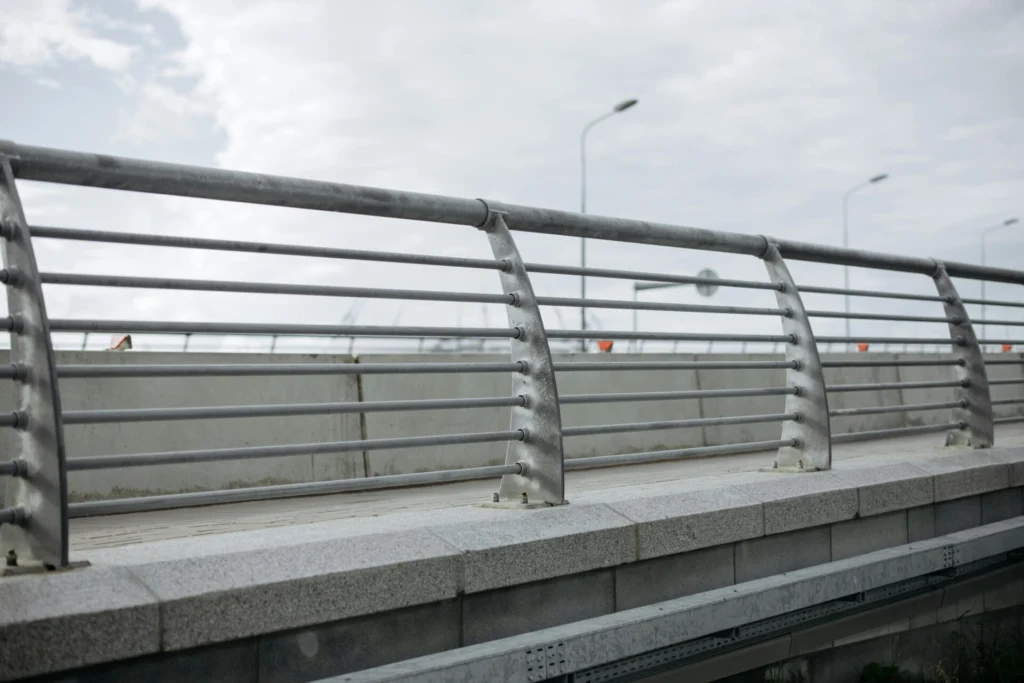
Commercial staircases handle constant foot traffic every day, which means every railing detail must support safety, durability, and long-term structural stability. Weak hardware, poorly fitted brackets, or low-grade materials may slowly affect the appearance and reliability of the entire staircase system. Modern commercial projects now focus heavily on stronger railing construction because clean finishes and dependable support create better functionality across public spaces. This article explains which railing parts work best for commercial staircase construction and how thoughtful component selection improves safety, maintenance, and architectural consistency.
Strong Balusters For Better Structural Support
Balusters play a major role in the strength and appearance of commercial staircase systems. Many contractors now prefer heavier railing system components because stronger materials improve long-term durability across offices, hotels, educational buildings, and retail properties. Decorative cast iron balusters also remain popular for staircases that combine traditional detailing with commercial-grade support.
Balanced spacing between balusters helps staircases feel visually organised without making the structure appear overcrowded. Clean vertical lines also support safer movement while maintaining a refined architectural appearance throughout larger interior spaces.
Durable Handrails For Constant Daily Use
Handrails experience continuous contact throughout commercial environments, which makes material quality especially important during construction planning. Steel and aluminum handrails remain popular because they support long-term durability while resisting surface wear caused by regular public use.
Several commercial staircases also use hardwood rail caps combined with metal framing to create a warmer visual appearance across the structure. Rounded handrail profiles further improve grip comfort while supporting smoother movement throughout larger stair layouts and connected public areas.
Decorative Collars And Rosettes
Decorative collars, rosettes, and knuckles help commercial railing systems feel more polished without introducing excessive visual detail. Several traditional staircase designs now include cast rosettes and metal accent collars because these smaller details create stronger architectural consistency throughout the property.
Ornamental railing accents work especially well near hotel staircases, historic renovations, and upscale commercial interiors that rely on classic architectural styling. Balanced decorative placement also helps larger staircase systems feel refined instead of visually plain throughout the space.
Match Base Plates With Staircase Materials
Base plates and mounting hardware directly affect structural reliability across commercial stair systems. Strong mounting support becomes especially important in high-traffic buildings where staircases handle continuous daily movement. Several contractors now use reinforced mounting plates because they create stronger stability around heavier railing installations.
Stone staircases, concrete structures, and wood treads may each require different mounting solutions depending on the surrounding construction material. Proper hardware selection also helps reduce long-term movement or alignment concerns throughout the railing structure.
Combine Traditional And Modern Metal Finishes
Commercial railing systems no longer rely only on uniform finishes throughout the staircase layout. Several modern projects now combine matte black surfaces, brushed steel finishes, and decorative cast accents to create more balanced architectural contrast around larger staircases.
Many designers also combine darker metal finishes with railing system components inspired by traditional ironwork because the layered appearance creates stronger visual depth. This mixed-finish approach works especially well in restaurants, boutique hotels, and commercial lobbies where staircase design contributes heavily to the overall interior atmosphere.
Strong railing construction depends heavily on selecting reliable materials, balanced decorative details, and properly matched hardware throughout the staircase structure. Balusters, handrails, collars, mounting plates, and decorative accents all contribute to safer and more refined commercial stair systems when used thoughtfully. Many contractors continue using railing components inspired by traditional metalwork because these designs combine durability with timeless architectural character. Reliable suppliers also help contractors compare finish quality, structural strength, and installation support before large commercial projects begin.