
Pet care has changed a lot in recent years. Owners are no longer focused only on daily feeding and basic veterinary visits. They want to understand their pets more deeply. One of the growing tools that supports this approach is genetic testing for cats.
This interest is not just a passing trend. It reflects a broader shift toward more informed and personalized care for animals.
What Cat DNA Testing Reveals
Cat DNA testing is designed to analyze a cat’s genetic profile. A simple sample can provide information on breed composition, inherited traits, and possible health predispositions.
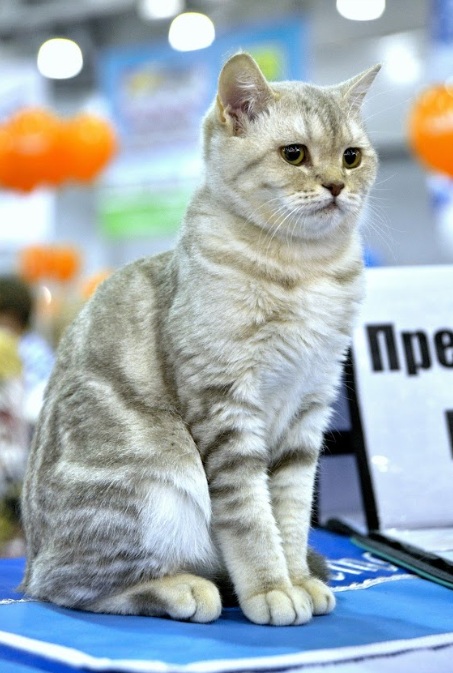
Many owners are surprised by how much information can be hidden behind a cat’s appearance. Two cats that look similar may actually have very different genetic backgrounds. This can influence everything from behavior patterns to dietary needs.
The purpose of this testing is not to replace veterinary care, but to add another layer of understanding that can support better decisions over time.
Why Interest in Genetic Testing Is Growing
More pet owners are becoming interested in their cats’ long-term well-being. This is one of the main reasons genetic testing is gaining attention.
There are several motivations behind this trend:
- A desire to understand the breed background more clearly
- Awareness of possible inherited health risks
- Better control over nutrition and lifestyle choices
- Stronger connection between owner and pet
Instead of guessing, owners can rely on structured information to make more confident choices.
How Genetic Information Changes Care Habits
When owners learn more about their cat’s genetic traits, it often influences daily care. A cat that shows signs of sensitivity in its genetic profile may need a more controlled diet. Another cat with active traits may require more stimulation and playtime.
Even behavior can make more sense when viewed through a genetic lens. What may seem like unusual habits can sometimes be linked to inherited characteristics.
This helps reduce confusion and allows owners to adjust care more thoughtfully.
Growing Role of the Trusted Testing Services
The use of a cat DNA test kit has become part of this modern approach to pet care. It allows owners to explore genetic information that was previously difficult to access.
Instead of relying only on visual traits or assumptions, owners can now get structured insights into their cat’s background. This helps guide decisions about diet, preventive care, and general lifestyle adjustments.
The increasing use of these kits shows how pet care is moving toward more data-informed choices. As awareness grows, more owners are beginning to see genetic testing not as something experimental, but as a practical part of responsible pet ownership.
From Curiosity to Practical Care
For many people, the first step is simple curiosity. They want to know more about their cat’s origins or why certain behaviors appear. But over time, this curiosity often turns into something more practical.
The information begins to influence real decisions. Owners start paying closer attention to nutrition, activity levels, and potential health risks.
This shift is important because it transforms genetic testing from an interesting extra into a useful part of everyday care. It becomes part of a routine approach to maintaining a cat’s long-term health and well-being.
A Shift in Modern Pet Ownership
Today’s pet owners are more informed than ever before. They are actively looking for ways to improve the quality of life for their animals. Genetic insights are becoming one of the tools that support this goal.
As awareness grows, cat DNA testing is likely to become a more common part of responsible pet care. It reflects a wider change in how people think about their pets, not just as companions, but as individuals with unique biological backgrounds.
Conclusion
Cat DNA testing is becoming more than just a point of curiosity for pet owners. It is gradually turning into a practical tool that supports better understanding and more informed care decisions.
As this approach continues to develop, genetic testing is likely to remain an important part of modern pet ownership, helping strengthen the connection between owners and their pets while supporting long-term well-being.