
Starting your day with a warm and comforting mug of tea is an old tradition and can set a bright mood for all those hours of work and life that are ahead. While a basic breakfast tea is in most kitchens, there is a difference between a rushed cup and a cup that is made with care. In this article, you will learn the simple but crucial steps to make sure that every single pot you prepare is a perfect balance of warmth.
Selecting High-Quality Loose-Leaf Tea
The foundation of an exceptional morning experience begins with the quality of the dried leaves you choose to put into your teapot. While convenient bags are very common, using loose-leaf breakfast tea allows the water to circulate around the larger pieces of leaf. Look for a blend that features a rich, dark colour and a fresh, malty scent that promises a deep and satisfying liquor once the hot water is added.
Using Fresh and Filtered Cold Water
To achieve the best possible results, start with a fresh pour of cold, filtered water that is free from any heavy minerals or chemical tastes that might interfere with the natural sweetness of the leaves. Using a simple filter jug is a smart way to ensure a consistent and high-quality brew every single time. Starting with the best water is the first secret to unlocking the true potential of your favourite morning blend.
Achieving the Correct Boiling Temperature
A hearty breakfast tea needs water that has reached a full and rolling boil to properly break down the sturdy structure of the black tea leaves. Aim for a temperature of 100 degrees Celsius to ensure that the heat is intense enough to extract the bold tannins and the rich pigments. If the water is too cool, the resulting drink will taste thin and weak, lacking the character that makes a breakfast blend so wakeful.
Warming Your Teapot or Mug
Pouring boiling water into a cold ceramic or porcelain vessel will drop the temperature of the liquid. A tip is to swirl a small amount of hot water around the inside of your pot or mug for a few seconds before discarding it and starting the brewing process for your meal. Taking an extra moment to preheat your equipment shows a level of dedication to the craft that will be reflected in the taste of your final cup.
Mastering the Perfect Steeping Time
The most critical part of the entire process is knowing how long to leave the leaves in contact with the hot water. For a standard breakfast tea, a duration of between three and five minutes is the sweet spot that provides a full-bodied flavour. If you prefer a lighter cup, you should lean towards the shorter end of the scale, whereas those who enjoy a very strong and malty brew should wait for the full five minutes.
Adding Milk and Sweeteners Correctly
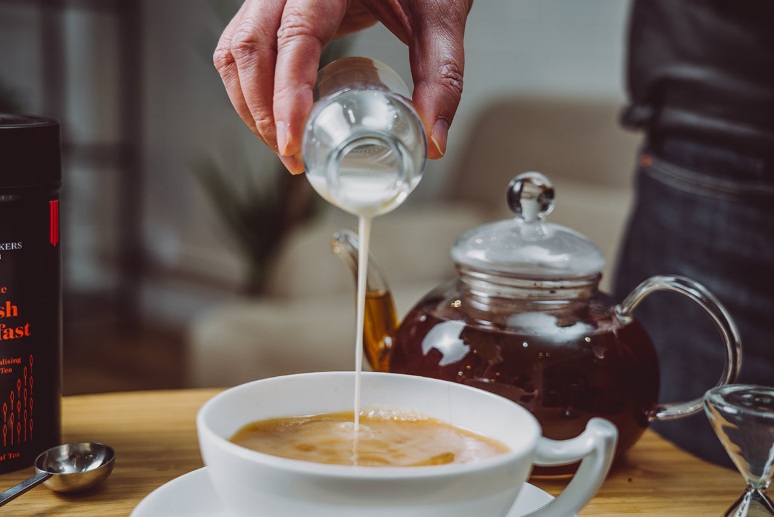
Most experts agree that adding it last allows you to judge the strength and colour of the brew with much greater accuracy. A high-quality plant-based alternative can soften the natural bitterness of the black tea and add a creamy texture that many people find incredibly comforting. If you enjoy a bit of sweetness, adding a small spoonful of honey ensures that the granules dissolve completely throughout the liquid.
Storing Your Tea for Freshness
Protect your dry tea leaves from the three main enemies of flavour: light, moisture, and strong kitchen odours. Always keep your breakfast tea in an airtight container and store it in a cool, dark cupboard far away from the heat of the stove or the dampness of the sink. Proper storage is a simple habit that preserves the life of your investment and keeps your tea tasting as fresh as the day it was first packed.
Make Your Morning Brew Worth It
Taking the time to master the simple art of tea preparation is a wonderful way to practise mindfulness. By following these professional steps, you ensure that you are getting the absolute most out of your premium leaves. Ultimately, the perfect cup of tea is a small luxury that anyone can achieve at home, proving that the best things in life are often the ones we take the time to do properly and with love.