
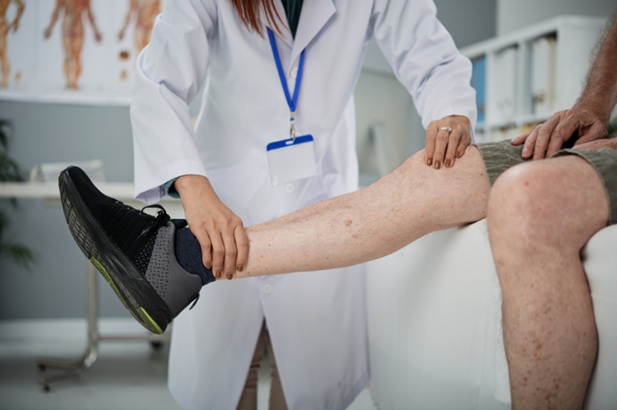
Varicose veins may start as a cosmetic issue, but they can also point to poor circulation in the legs. Many people manage symptoms with walking, leg elevation, compression socks, and weight management before seeking medical care. These steps can help ease mild symptoms, yet they cannot repair damaged vein valves. Recognizing when symptoms have moved beyond home care can help protect skin health, improve comfort, and support mobility before the condition becomes more serious.
What Home Care Can and Cannot Do
Home care can lower pressure in the leg veins and help reduce daily discomfort. Regular movement encourages circulation, and compression garments may help limit swelling. If bulging veins, aching, or heaviness continue despite consistent self-care, a medical evaluation may be the next reasonable step. For those reviewing care options in Wayne, varicose vein treatment in Wayne can help determine whether symptoms are still mild or linked to a vein problem that calls for focused treatment.
These measures can improve symptoms, but they do not correct faulty veins. Varicose veins develop when small valves no longer move blood upward as they should. Blood then begins to collect, which raises pressure inside the vessel. With time, the vein may enlarge, twist, and become easier to see. As that pressure increases, discomfort may grow, and skin changes can begin to develop.
Signs That Point to Medical Care
-
Persistent Pain or Heaviness
Leg discomfort that returns every day should not be overlooked. Some people notice throbbing, burning, or pressure after standing for even brief periods. Others describe a heavy feeling that interferes with work, exercise, or routine tasks. When symptoms keep returning after rest, compression, and movement, home care may no longer be enough. Ongoing discomfort can be a sign of vein reflux, which often benefits from professional treatment.
-
Swelling and Skin Changes
Ankle swelling may seem mild at first, but repeated swelling can signal worsening vein function. Skin in the lower leg may also become dry, itchy, or darker in color. This discoloration can happen when increased pressure affects nearby tissue and tiny blood vessels. Once these changes appear, the condition may be advancing beyond the point where simple home care provides enough relief or protection.
-
Bleeding or Ulcers
A raised vein close to the surface of the skin can bleed after even a minor bump or scratch. The amount of bleeding may differ, but any episode should be taken seriously. Open sores near the ankle also need prompt medical attention. These ulcers often heal slowly because circulation in the area is poor. At that stage, home remedies alone are unlikely to address the problem safely or fully.
Why Delay Can Make Symptoms Worse
Varicose veins rarely improve without treatment. Waiting too long can allow pressure in the legs to keep building. This may lead to stronger pain, larger veins, more swelling, and greater skin damage. Some people also develop inflammation in surface veins or blood clots that need urgent assessment. Early treatment can relieve symptoms sooner and may reduce the risk of these later complications.
What a Specialist May Recommend
A vein specialist usually begins with a physical exam and an ultrasound study. Ultrasound shows how blood is moving through the leg veins and whether valve failure is present. This information helps identify which veins are causing the problem. Once the source is clear, treatment can focus on symptom relief and long-term vein health.
Care may include compression guidance, lifestyle recommendations, or minimally invasive treatments. Many current options treat the unhealthy vein while allowing blood to reroute through healthier vessels. Approaches such as ablation, sclerotherapy, or other office-based treatments can reduce pain, swelling, and visible bulging. The best plan depends on symptom severity, vein size, and the condition of the surrounding skin.
Conclusion
Home remedies still play a useful role, especially in the early stages of varicose veins. Even so, persistent pain, swelling, skin changes, bleeding, or ulcers should not be ignored. These signs can point to a circulation problem that needs medical care rather than more waiting. A timely evaluation can identify the cause, clarify treatment options, and help prevent complications that affect comfort, movement, and long-term leg health.