
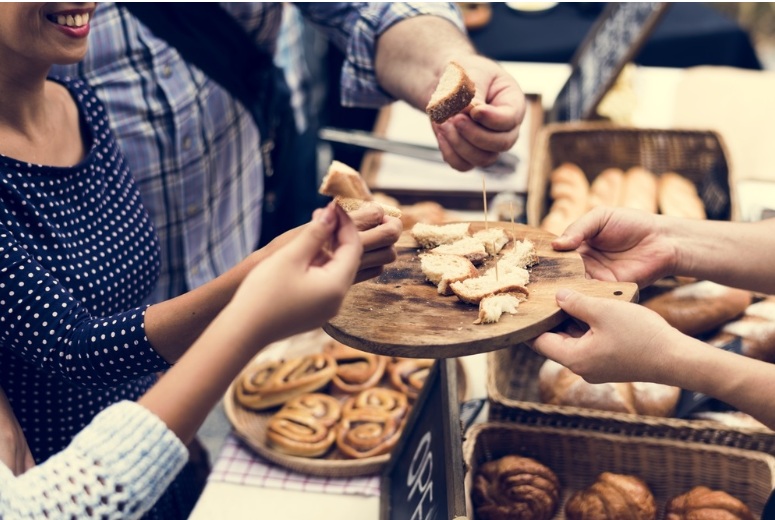
A direct product sampling campaign is a task for any business that wants to understand how giving away free items influences sales. Working with a skilled product sampling agency is running a kind of steady marketing experiment where you have to gather data. This article allows you to monitor the effect of your physical promotions to ensure that every sample distributed is adding value for your brand growth.
Establishing Clear Objectives and Primary Goals
Even before launching your campaign, you need to clarify what a successful outcome is for your product. You need to see if you want immediate sales at a local store or if you want to establish email signups and create long-term brand awareness. Having a single focus allows the product sampling agency to tailor its approach and make sure that its staff is collecting the most relevant data from the public.
Utilising Digital Coupons and Trackable QR Codes
A useful way to measure the transition from sampling to purchasing is by including a QR code with every free item you distribute. These tools provide you with data on how many people went to a store or visited your website to use the discount after trying your product. This allows you to track the exact conversion rate and see which locations or times of day produced the most active customers.
Monitoring Immediate Sales Spikes at Local Retailers
If your sampling event is taking place near a grocery store, coordinate with those managers to monitor sales volume for several days following the promotion. You will see a big increase in sell-through as people who enjoyed the sample walk into the shop to purchase a full-sized version of the product. By comparing the sales figures with no promotion, you can calculate the uplift caused by the sample.
Gathering Qualitative Feedback and Customer Reactions
You should expect the staff from your product sampling agency to record verbal feedback and common questions asked by the people who stop at your stand. These qualitative notes can reveal if the packaging is easy to open or if the price point seems appropriate to the average consumer. This information helps you refine your product and your future marketing messages to better suit the needs.
Tracking Social Media Engagement and Brand Mentions
A successful sampling campaign often creates a buzz that extends far beyond the physical location. You can measure this impact by monitoring specific hashtags or brand mentions that occur during and immediately after your event. This footprint shows you how many people are talking about your product and helps you reach a wider audience than just the individuals who physically walked past your display.
Analysing Customer Retention and Repeat Purchases
True success in sampling is about turning a one-time taster into a loyal customer who chooses your brand. To measure this, you can use loyalty card data to see if the individuals who used a sampling coupon returned to buy the product again at a later date. Understanding how many people stay with your brand gives you an understanding of the true lifetime value of each sample you give away.
Evaluating Staff Performance and Engagement Levels
The point of a sampling campaign is dependent on the energy of the people representing your brand on the street. Expect your agency to provide reports on how many interactions occurred per hour and how many people were engaged in a conversation. High engagement levels lead to better brand recall, as consumers are likely to remember a product that was presented to them by a friendly person.
Concluding Summary of Campaign Success Metrics
Measuring a direct product sampling campaign requires a balanced approach that looks at both immediate sales figures and long-term brand perception. By working with a product sampling agency, you can turn a simple giveaway into a data-gathering exercise. The more you measure, the better you can refine your approach to ensure that your brand remains a choice among your target customers.