
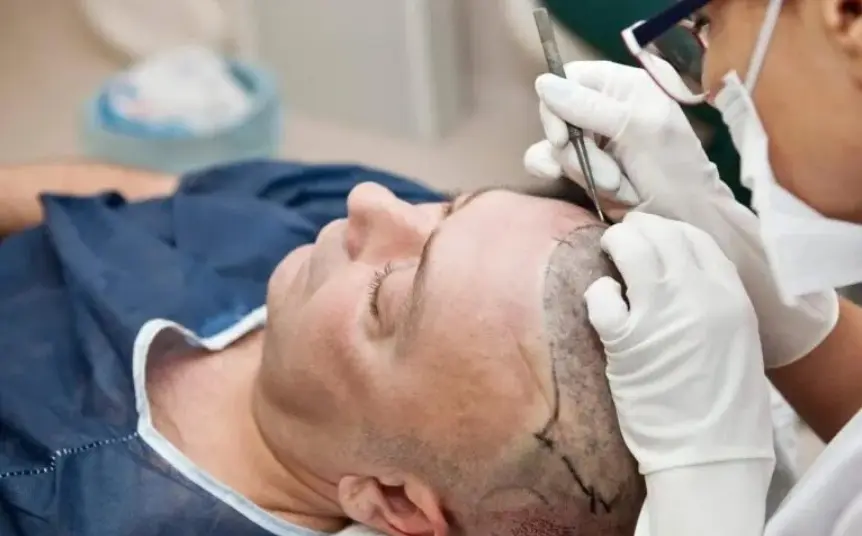
Medical tourism can help patients access hair transplant and hair restoration care abroad, but the decision should start with safety, not price. The goal is to find a qualified surgical team, a clean setting, clear pricing, and a recovery plan before booking flights.
Who Are Medical Tourists?
They are patients who leave their home country to receive care abroad, often because they want lower costs, a specific doctor, or access to treatment that feels limited locally. For hair restoration, that can mean traveling to another country for a consultation, graft planning, surgery, and early recovery.
Some people travel for hairline repair, beard restoration, crown density, or corrective work after poor results. Others compare destinations because medical travel planning can make scheduling care easier. If you are comparing clinics, a resource such as Hair Transplant Mexico can help you think about location, access, and procedure planning in one place.
Why patients travel for hair restoration
Hair restoration is personal. Patients may want privacy, a specialized team, or a destination with experience in cosmetic and restorative care. MedicalTourism.com shows how patients often compare treatments, providers, destinations, quotes, and prices before choosing where to go.
The main reasons include:
- Lower total cost compared with some developed countries
- Access to clinics that focus on hair grafting every day
- Shorter scheduling timelines for consultation and treatment
- A chance to recover away from work and social pressure
This is where healthcare tourism becomes more than a flight and a hotel. A serious plan should compare surgeons’ experience, graft survival strategies, donor-area management, clinic hygiene, and access to aftercare.
How to compare clinics safely
Use this checklist before you pay:
- Ask for the surgeon’s credentials, license, and hair restoration experience.
- Review real before-and-after cases with similar hair loss patterns.
- Confirm how the clinic protects against infection.
- Ask how many grafts are safe for your donor area.
- Request a written plan for aftercare and emergency contact.
A medical tourism survey reports that trust, accreditation, and payment concerns influence patient decisions in the medical tourism industry. Its survey found that 97.2% of respondents considered trust significant or paramount, while 63.3% said accreditation influenced provider choice.
What to plan before the trip
Before a medical tourism trip, think beyond the operation date. You need enough time for a consultation, lab work if needed, the procedure, washing instructions, swelling control, and the first healing check.
| Planning area | What to confirm |
| Clinic standards | Credentials, hygiene, and emergency process |
| Travel timing | Arrival buffer, recovery stay, and flight date |
| Cost | Procedure fee, hotel, transport, and medications |
| Aftercare | Follow-up access, records, and local support |
Patients who travel long distances should ask whether the clinic recommends avoiding intense sun, swimming, alcohol, strenuous exercise, or tight hats after surgery. When traveling internationally, bring prescriptions, allergy details, and relevant medical history.
Risks, insurance, and follow-up care
Hair transplant travel is usually elective, but that does not make it risk-free. Infection, poor growth, scarring, overharvesting, and unnatural design can happen when planning is weak. People with medical conditions such as uncontrolled diabetes, clotting disorders, or immune problems should get medical clearance before booking.
Ask your insurance company what it excludes before paying a deposit. Many policies do not treat elective surgery abroad the same way they treat emergency care. Ask whether your insurance covers complications, hospital admission, prescriptions, or medical evacuation.
How to make a smart decision
Choose quality medical care over the cheapest package. A high-quality clinic should explain your candidacy, donor limits, graft estimate, density goals, hairline design, recovery schedule, and possible complications. If the clinic avoids questions, pressures you to book quickly, or promises perfect density, keep looking.
International medical planning should also include payment security. The same survey notes that 57.7% of patients had concerns about international payments, which makes clear pricing and secure payment options part of patient trust.
Good medical facilities make the process clear before you arrive. They tell you who will treat you, what happens on surgery day, how to manage recovery, and how to contact them after you leave. For many patients, hair restoration abroad can make sense when the decision is based on evidence, communication, and aftercare.