
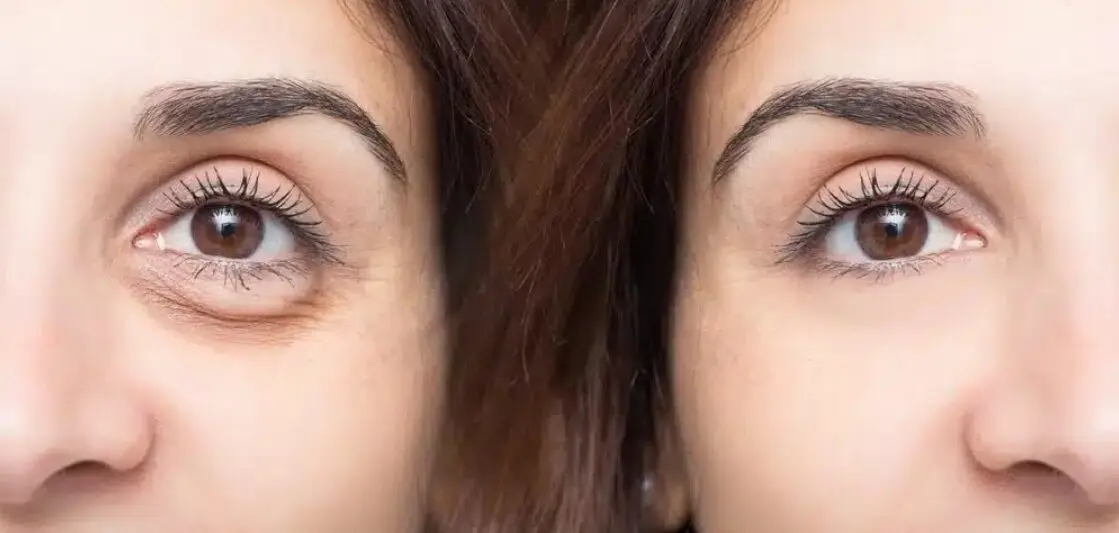
This procedure can work when puffiness comes from lower eyelid fat pads, loose tissue, or skin laxity that home care cannot correct. The medical name is lower blepharoplasty. It reshapes the lower lid by removing or repositioning fat, tightening the supporting structures, and sometimes trimming excess skin.
This is not the right answer for every tired-looking lower lid. If puffiness changes with sleep, salt intake, allergies, or morning swelling, surgery may not be the first step. A consultation helps separate temporary puffiness from a structural eyelid bag.
What Causes Lower Lid Bags?
Common causes include aging, genetics, allergies, smoking, lifestyle habits, sun exposure, and fluid retention. With age, the tissues that support the lower lid can weaken, and fat can shift forward. That creates a bulge that may stay visible even when you feel rested.
People often use phrases like “surgery for bags under the eyes” or “bags under the eyes operation” when they want a lasting fix. The right choice depends on the cause, not the phrase. Plastic surgeon Dr. Kopelman can evaluate whether the problem comes from fat, skin, hollowing, or a mix of these factors.
Surgery vs. Fillers
Some people need surgery. Others need volume support or skin care. Milan Eye Center explains that fillers may help mild hollowness, while more pronounced puffiness often needs a surgical approach.
| Option | Best fit |
| Lower blepharoplasty | Fat bulges, loose lower lid tissue, and lasting puffiness |
| Filler | Mild hollowing, shadowing, and early volume loss |
A filler made with hyaluronic acid can soften the tear trough, but it will not remove a true fat bulge. An eye cream may help with dryness or texture, but it cannot reposition fat or tighten support inside the lid.
Who Is a Good Candidate?
A good candidate has stable puffiness, healthy eyes, realistic goals, and no unmanaged medical issues that raise surgical risk. GoodEyes notes that candidacy depends on general health, eye health, medical history, and conditions such as dry eyes, glaucoma, thyroid disease, diabetes, heart disease, or high blood pressure. Experienced plastic surgeons also screen for eye function, eyelid position, and skin quality.
You may be considered if you have:
- Persistent puffiness that does not improve with sleep or allergy care
- Loose lower eyelid skin that changes facial expression
- A tired look caused by fat bulging, not only lifestyle factors
- Clear goals and realistic expectations
People with irritation, vision changes, severe dryness, or active allergy symptoms may need medical care first.
How the Procedure Works
During lower blepharoplasty for under-eye bags, the surgeon makes a small incision inside the lower lid or below the lash line. Mayo Clinic explains that eyelid surgery may remove excess fat through an incision in the natural crease of the upper eyelid or inside the lower lid. GoodEyes also describes hidden lower-lid incisions, fat repositioning, and the use of sutures.
The procedure may use local anesthesia with sedation or general anesthesia, depending on the plan. In selected cases, the surgeon may remove excess skin while protecting the natural shape of the eye area.
Recovery and Aftercare
Recovery often includes swelling and bruising during the first few days. GoodEyes states that these changes usually peak after a few days and may improve within one to two weeks. Many patients return to normal activities in about two weeks, though timing depends on the surgeon’s instructions.
Typical aftercare may include:
- Resting with your head elevated
- Using cold compresses as directed
- Avoiding heavy lifting and strenuous activity
- Wearing sunglasses outdoors
- Using prescribed drops or ointment
Do not judge the final result too early. The lower lids may appear tight, puffy, or uneven during healing.
Risks and Limits
Every under-eye bag surgery has limits. It can reduce puffiness, tighten support, and create a more rested look, but it cannot change natural eye shape, erase every line, or correct all dark circles. It also cannot replace healthy sleep, allergy control, or skin protection.
Possible side effects include dry eyes, watery eyes, pain, swelling, blurred vision, infection, bleeding, scarring, eyelid malposition, and rare vision-related complications. Mayo Clinic lists dry eyes, watery eyes, pain, swelling, bruising, and blurred vision as possible effects, with rarer risks such as vision loss, bleeding, infection, eye muscle injury, corneal abrasion, and eyelid drooping.
Questions to Ask First
Before under-eye bag removal, ask what is causing your puffiness and whether surgery is truly needed. You should also ask where the incision will be placed, how much fat will be removed or repositioned, how recovery will progress, and what results are realistic for your face.
Good questions include:
- Is my puffiness structural or temporary?
- Would filler, laser, allergy care, or skin treatment help first?
- What risks apply to my eye health?
- How long should I avoid exercise?
- What result should I expect after healing?
The best plan is the one that matches your anatomy, health history, and goals. A careful evaluation protects both appearance and eye function.